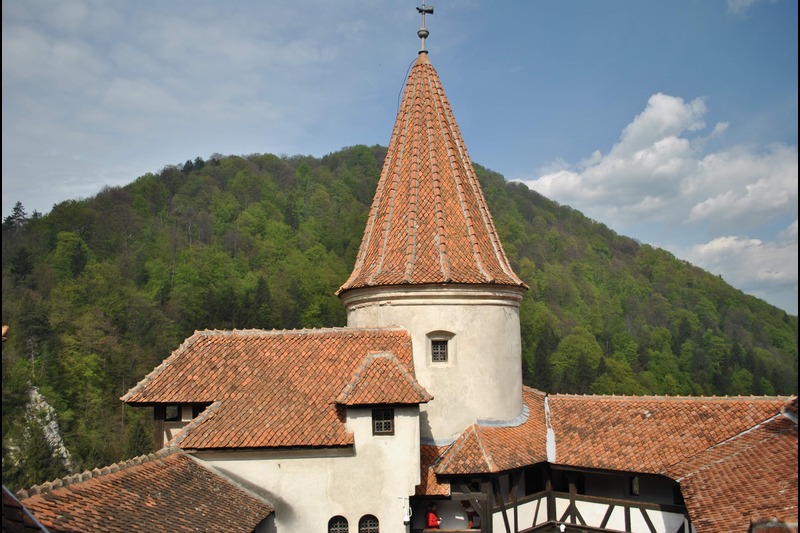
Romania is seeing a changing tourism picture in 2026, with Germany emerging as the leading source of international visitors while passenger traffic through Bucharest’s airports continues to climb. The combination of rising international connectivity and strong demand from European markets is keeping Romania tourism, Bucharest travel and Eastern Europe holidays firmly on the radar for travelers and the tourism industry.
For travelers arriving in Romania, Bucharest remains the natural starting point for discovering the country. The capital has recorded the largest share of foreign tourist arrivals during the first half of 2026, while its two airports handled about 8.46 million passengers, marking a 5.08% increase compared with the same period last year. The numbers point to growing aviation connectivity even as Romania’s wider accommodation market faces some pressure.
Germany Leads Romania’s International Tourism Market
Germany has taken the top position among Romania’s foreign tourist source markets during the first six months of 2026. Around 114,800 German tourists were recorded during the period, putting Germany ahead of Italy and the United States.
Italy followed with approximately 105,700 visitors, while the United States contributed around 78,800 tourists. The United Kingdom, Hungary, Poland, Spain, Israel, France and Ukraine also ranked among Romania’s leading international source markets.
The figures underline the importance of European visitors to Romania’s tourism economy. Of approximately 1.19 million foreign tourists staying in Romanian accommodation establishments during the first half of 2026, about 923,400 came from Europe, representing a 7.1% year-on-year increase. Visitors from European Union countries reached approximately 662,400, up 8%.
US Tourism Shows Strong Momentum
While Germany remains the largest source market, the United States is recording one of the most notable increases.
North American arrivals reached approximately 92,900 tourists during the first half of 2026, representing a 23.5% increase compared with the same period in 2025. Overnight stays generated by North American visitors rose even faster, increasing by 28.7% to approximately 211,000.
The development could be significant for Romania’s long-haul tourism strategy. American travelers typically have greater travel distances and may combine several destinations during one European trip, creating opportunities for Bucharest and other Romanian cities to benefit from longer itineraries.
Bucharest Strengthens Its Position as Tourism Gateway
Bucharest continues to dominate Romania’s international tourism landscape. During the first half of 2026, the capital attracted approximately 516,663 foreign visitors, accounting for more than 43% of all foreign tourists recorded in Romania’s accommodation statistics.
The city’s position is supported by strong air connectivity through Henri Coandă International Airport and Băneasa–Aurel Vlaicu International Airport.
Together, the two Bucharest airports handled 8.45 million passengers in the first six months of 2026, according to data from the National Company Bucharest Airports. Passenger traffic increased 5.08% year on year, while aircraft movements rose 3.37%, reaching 68,367 take-offs and landings.
Romania’s national aviation market is also expanding. Data from the country’s National Institute of Statistics showed that passenger air transport increased by 7.8% in the first quarter of 2026, reaching approximately 6.03 million passengers compared with 5.60 million during the same period in 2025.
Germany and Italy Remain Key European Connections
Air links between Romania and major European markets are playing an important role in supporting tourism and business travel.
During the first quarter, Germany was the third-largest country of origin for passengers arriving in Romania on scheduled services, behind Italy and the United Kingdom. German airports including Munich and Dortmund were among the major international origins for passengers traveling to Romania.
The strength of these connections gives German travelers convenient access to Bucharest while also supporting onward journeys to destinations such as Brașov, Sibiu, Cluj-Napoca and other Romanian tourism centers.
Tourism Market Shows a Mixed Picture
Despite stronger international demand in several markets, Romania’s overall tourism statistics remain mixed.
During the first six months of 2026, tourist arrivals at accommodation establishments declined by 4.1%, while overnight stays fell by 6.7%. Romanian residents accounted for 78.6% of total arrivals, with foreign tourists representing 21.4%.
The contrast between softer overall accommodation figures and stronger international markets highlights an important shift. Romania is attracting more visitors from several overseas and European markets, but this growth is not yet sufficient to offset declines elsewhere in the domestic tourism market.
Bucharest, however, remains one of the strongest-performing destinations. Other leading destinations include Brașov, Cluj and Sibiu, offering travelers a combination of historic architecture, cultural attractions, mountain experiences and city-break opportunities.
What This Means for Romania Travel
The latest figures suggest that Romania is becoming increasingly connected to international tourism markets, with Germany playing a particularly important role. Stronger US arrivals also add another layer of diversity to the country’s visitor base, while rising airport traffic indicates continued demand for international connectivity.
For travelers, this creates opportunities to look beyond Bucharest and build wider Romanian itineraries combining the capital with Transylvania, mountain destinations, historic towns and cultural attractions.
Romania’s tourism story in 2026 is not simply about more passengers or fewer hotel stays. It is about where visitors are coming from and how they are reaching the country. Germany’s position as the leading foreign tourism market, the strong growth from the United States and the 8.46-million passenger performance at Bucharest’s airports all point to a destination with increasingly broad international appeal.
The challenge now will be turning that connectivity into longer stays and wider travel across Romania. If international demand continues to strengthen, Bucharest can serve not only as the country’s main gateway but also as the launch point for travelers seeking the castles, mountains, historic towns and cultural experiences that make Romania an increasingly attractive Eastern European destination.