The international tourism sector is experiencing a significant evolutionary phase, shaped by changing consumer preferences and macroeconomic adaptations. At the center of this shifting travel cycle, major hospitality entities are utilizing diversified portfolios and distinct operational frameworks to capture emerging markets. Official tourism statistics and sector indicators demonstrate that the global hospitality landscape relies heavily on scalable business structures to navigate fluctuations in both corporate and leisure travel sectors.
The Role of Asset-Light Frameworks in Modern Tourism Operations
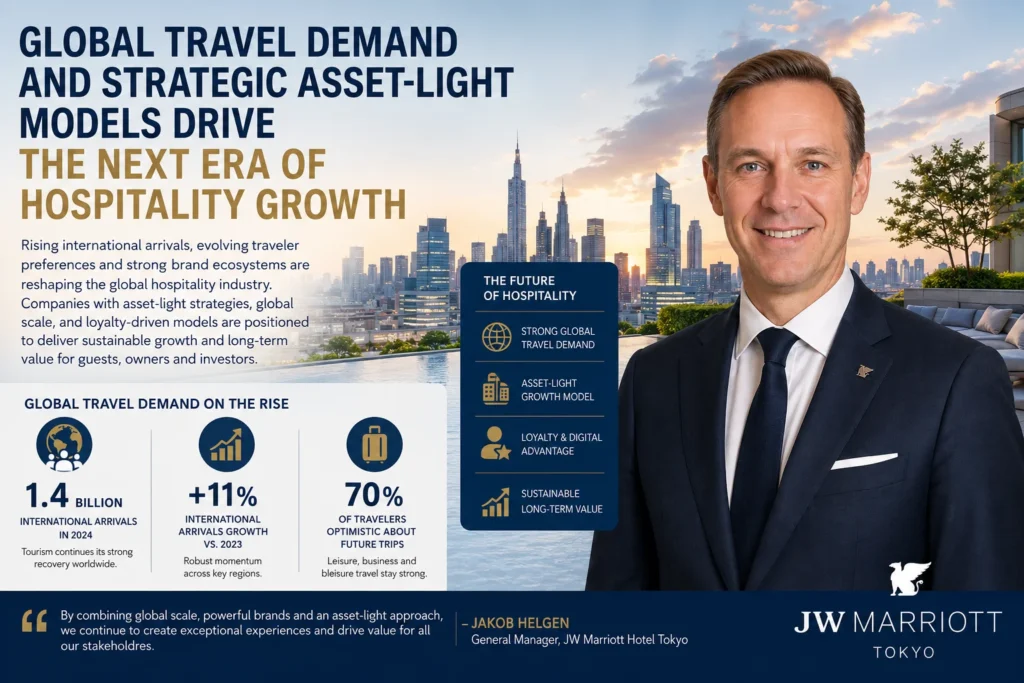
A primary driver of corporate stability in the modern lodging sector is the widespread adoption of an asset-light operational model. Rather than investing capital directly into high-cost hotel real estate, major global hospitality brands focus on management and franchise agreements. This structural choice shifts the financial focus away from fixed property upkeep costs and real estate valuations, tying organizational performance directly to active metrics such as occupancy rates and overall room revenue.
By relying on third-party property owners to absorb direct localized overhead, hospitality networks can maintain an expansive footprint across diverse destinations. Industry reports indicate that this model accelerates market penetration, allowing rapid entry into emerging tourism hubs where building new physical structures from scratch would be cost-prohibitive. Consequently, the fiscal health of the hospitality sector increasingly depends on steady consumer engagement and systemic resilience rather than long-term property appreciation.
Analyzing the Shifting Metrics of Leisure and Corporate Travel
As international travel patterns adjust to contemporary economic realities, different consumer segments are demonstrating varying rates of recovery and growth. Industry data shows that leisure tourism remains highly responsive to experiential marketing and seasonal vacation trends. Conversely, corporate travel and large-scale group bookings historical show a more deliberate, gradual trajectory.
To achieve long-term stability, global accommodation systems balance their portfolios across multiple tiers, ranging from premium luxury resorts to practical, limited-service establishments. This multi-tiered brand positioning ensures that hospitality systems remain accessible during economic downturns, as corporate budgets contract toward midscale lodging while affluent travelers continue to seek high-end, full-service vacation experiences.
Furthermore, regional diversification helps mitigate localized economic disruptions. When a specific geographic market experiences temporary downturns due to regulatory shifts or economic deceleration, strong occupancy rates in other flourishing regions help stabilize the broader network’s operational momentum.
Maximizing Customer Lifecycle Value Through Integrated Networks
A central pillar of modern hospitality management is the implementation of comprehensive loyalty ecosystems designed to capture and retain customer segments across various travel occasions. These systems function by incentivizing repeat visits, transforming occasional vacationers into consistent network users who stay within the brand umbrella during business trips, family holidays, and weekend getaways.
Beyond encouraging repeat property bookings, integrated loyalty networks introduce alternative, high-margin revenue streams independent of traditional nightly room sales. Strategic collaborations with credit card providers, airline systems, and global travel retail partners create secondary financial pipelines. These partnerships provide hospitality brands with predictable, recurring revenue, offering a buffer against standard seasonal declines in global travel demand.
The Push for Direct Digital Distribution in the Hospitality Sector
Technological infrastructure is playing an increasingly critical role in how global accommodation brands manage inventory and engage with international visitors. Major hospitality operations are focused on maximizing traffic through proprietary digital distribution channels, including dedicated mobile applications and official web platforms.
The primary objective of this digital push is to minimize reliance on third-party online travel agencies, which often impose substantial commission fees on property operators. Direct booking strategies offer numerous operational advantages:
Enhanced data collection regarding guest preferences and travel behavior.
Streamlined digital check-in capabilities and personalized mobile room keys.
Greater flexibility in implementing real-time pricing and localized promotional offers.
Improved inventory control across a highly diversified global network.
By optimizing proprietary technology, hospitality providers can deliver cohesive service standards before a guest even arrives at the property, reinforcing brand consistency across both urban hubs and remote resort locations.
Full-Service Hospitality Formats and Long-Term Tourism Outlooks
Despite the rapid growth of specialized and extended-stay lodging options, full-service properties continue to serve as essential anchors for major metropolitan and coastal destinations. These flagship locations combine accommodation, premium on-site dining, and expansive conference facilities to meet the dual requirements of corporate events and premium leisure tourism.
The long-term outlook for the global travel sector remains closely linked to broader economic indicators, including consumer confidence indexes, fluctuating corporate travel budgets, and international trade dynamics. As market participants analyze the trajectory of global travel demand, the continuous expansion of managed portfolios, the enhancement of digital booking technologies, and the strategic positioning of diverse hospitality brands will remain foundational to navigating the evolving global tourism market.
For more travel news like this, keep reading Global Travel Wire