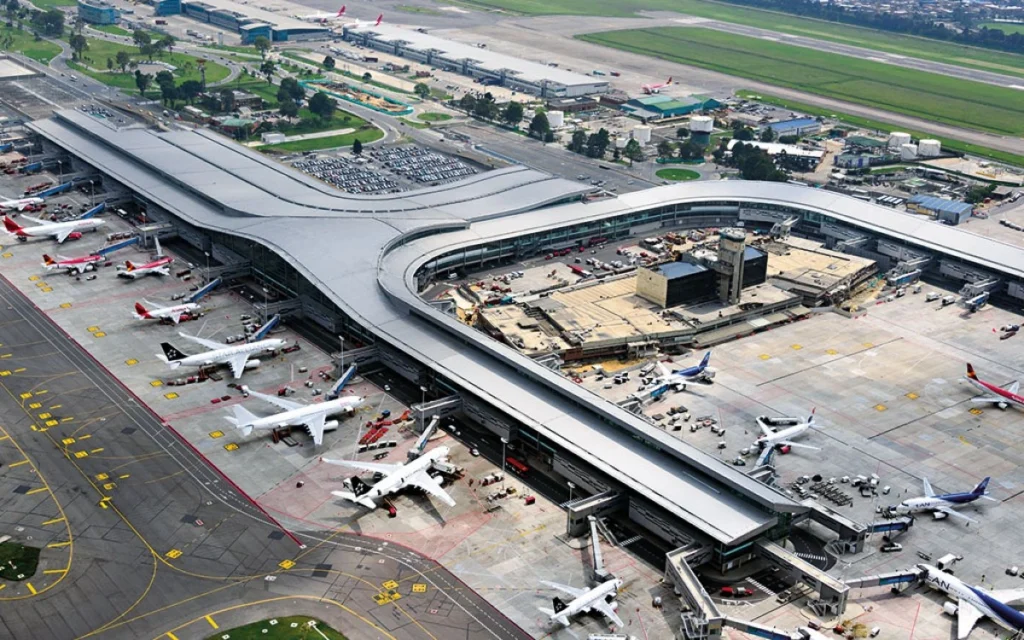
Colombia’s aviation network faced widespread operational pressure as 71 flight delays and 28 cancellations disrupted services through Bogotá’s El Dorado International Airport and José María Córdova International Airport, which serves Medellín.
The combined 99 affected flight movements created longer waiting times, missed connections and rebooking challenges for passengers travelling on domestic and international routes. Avianca and LATAM Colombia recorded the largest share of the disruption, while United Airlines, Air Canada, JetBlue, Clic Air, SATENA and several other carriers also experienced operational changes.
The impact extended across important domestic corridors connecting Bogotá, Medellín, Cali and Cartagena, while passengers travelling towards North America, Europe, Central America and other South American destinations also faced potential disruption.
No single official cause was confirmed for all the affected flights. Operational pressure at major airports can develop from aircraft rotation delays, crew scheduling challenges, air traffic management restrictions, ground-handling constraints and congestion across interconnected airline networks.
El Dorado Records the Highest Disruption
El Dorado International Airport experienced the greatest operational impact, recording 64 delayed flights and 19 cancellations.
Avianca accounted for 36 delays and seven cancellations, reflecting the airline’s extensive schedule through its principal Colombian hub. LATAM Colombia recorded nine delays and 11 cancellations, making it another major contributor to the disrupted flight total.
Clic Air reported eight delayed services, while SATENA recorded six. Air Europa, Delta Air Lines, Avianca Express and Copa Colombia each experienced one delay in the reported operating snapshot.
Air Canada and United Airlines each recorded one cancellation at Bogotá.
As Colombia’s principal airport and one of Latin America’s busiest aviation gateways, El Dorado supports an extensive mix of domestic, regional and long-haul travel. The airport handled more than 35 million passengers annually in its latest published operating period, demonstrating the scale of its importance to tourism, trade and international connectivity.
A disruption affecting Bogotá can therefore spread rapidly through airline schedules, particularly when aircraft and crews are expected to operate several flights during the same day.
Medellín Gateway Faces Nine Cancellations
José María Córdova International Airport in Rionegro recorded seven delays and nine cancellations, a smaller total than Bogotá but still a significant setback for regional connectivity.
Avianca reported five delays and four cancellations. LATAM Colombia recorded three cancellations, while Avianca El Salvador accounted for two cancelled services. JetBlue and United Airlines each reported one delay.
The airport serves Medellín and the wider Antioquia region, supporting growing demand for cultural tourism, business travel, events and international services. It also provides important domestic links to Bogotá, Cartagena and other Colombian destinations.
Even moderate disruption at José María Córdova can affect passengers transferring through Bogotá or continuing towards destinations in the Caribbean, Central America and the United States. Travellers on tightly scheduled itineraries may face missed connections when an inbound service arrives late or is removed from the schedule.
Avianca and LATAM Carry Largest Operational Impact
Across both airports, Avianca recorded 41 delays and 11 cancellations. The airline’s large domestic and international network means it naturally accounted for a substantial portion of the affected operations.
LATAM Colombia registered nine delays and 14 cancellations across Bogotá and Medellín. These changes may have affected aircraft positioning and later departures as airline teams worked to restore normal schedules.
Hub-and-spoke airline networks remain particularly vulnerable to cascading disruption. A delayed aircraft arriving in Bogotá may be scheduled to continue towards Cartagena, Cali, Medellín or an international destination, allowing one operational problem to influence several later services.
Recovery can require aircraft substitutions, new crew assignments, revised boarding times and gate changes. At a densely operated airport such as El Dorado, schedule normalisation may take several hours even after the original cause has been resolved.
Tourism and Business Travel Face Short-Term Pressure
Bogotá and Medellín are two of Colombia’s most important destinations for international tourism and business travel.
Delayed arrivals can affect hotel check-ins, airport transfers, conferences, guided tours and domestic connections. Passengers travelling towards Cartagena or other leisure destinations may also lose part of their planned holiday when disrupted flights require overnight stays or alternative routing.
International visitors arriving from the United States, Mexico, Spain and neighbouring Latin American markets may face additional complications when their journey includes separate domestic reservations.
Nevertheless, the disruption appears to be an operational setback rather than a prolonged shutdown of Colombia’s aviation system. Most scheduled services continued operating, while airport and airline teams worked through established recovery procedures.
What Affected Passengers Should Do
Travellers should check official airline and airport flight information before leaving for the terminal. El Dorado and José María Córdova both provide live arrival and departure information through their official passenger systems.
Avianca states that passengers affected by qualifying schedule changes or cancellations are notified through the contact details supplied with their reservation and may be offered alternative flights without additional cost.
Under Colombia’s passenger protection framework, assistance may depend on the length and cause of the disruption. Travellers should retain boarding passes, booking confirmations and receipts for meals, accommodation or transportation.
Passengers should also avoid relying solely on third-party tracking platforms because flight times and gate information can change quickly.
The 71 delays and 28 cancellations demonstrate how operational pressure at Bogotá and Medellín can affect tourism and connectivity across Colombia. Until schedules stabilise, passengers should remain flexible, monitor official notifications and allow additional time for their journeys.
For more travel news like this, keep reading Global Travel Wire