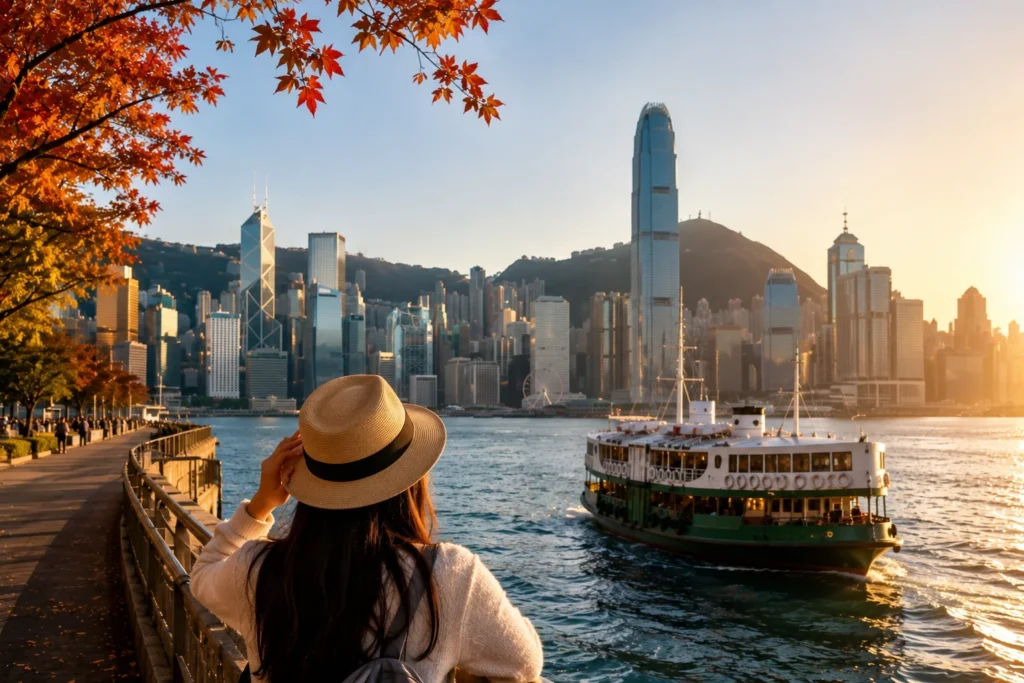
The international maritime travel sector is experiencing an impressive surge as East Asian ports actively expand their seasonal deployment strategies. At the absolute forefront of this movement is a major strategic initialization from the Hong Kong Tourism Board, which has officially confirmed the autumn deployment of the premium liner Star Voyager. Homeporting at the iconic Victoria Harbour Ocean Terminal, this deployment marks a calculated effort to capture peak holiday travel demand and establish a seamless, flight-free alternative for travelers seeking highly dynamic vacations across coastal Asia.
As experiential tourism takes priority for global leisure travelers, short-break regional voyages have transitioned from a luxury niche into a fundamental travel trend. By positioning mid-sized boutique vessels right in the urban heart of major port cities, tourism authorities are altering the mechanics of how modern multi-destination journeys are consumed.
The Autumn Itinerary Structure and Regional Connections
The newly finalized schedule positions the metropolitan port as a critical maritime bridge connecting mainland China, Taiwan, Japan, and Vietnam. Running from late September through mid-November, the vessel’s operations are intentionally timed to align with peak regional travel windows, providing diverse options that accommodate varied professional schedules and personal holiday constraints.
The itinerary framework relies heavily on a flexible mix of durations designed to eliminate the logistical friction of coordinating multiple short-haul flights. Weekend getaways include two-night ocean escapes that depart on Friday evenings and return by Sunday afternoon. These short-duration voyages give time-conscious professionals an immediate opportunity to enjoy world-class hospitality, dining, and live entertainment without dedicating formal leave days.
For travelers seeking a deeper cultural connection, the deployment offers longer three-night and five-night international sailings. The specific port rotations include regular stops at the historic trading hub of Xiamen and the tropical resort destination of Sanya in mainland China. The ship will also chart routes toward Taiwan, visiting the bustling urban waterfront of Kaohsiung alongside the pristine coastal landscapes of the Penghu archipelago. Furthermore, the schedule features extensive coverage of Japan’s subtropical Okinawa region, with dedicated calls at the coral-fringed islands of Miyakojima, the picturesque coastlines of Ishigaki, and the historic prefecture capital of Naha.
Cultural Preservation and Low-Impact Maritime Tourism
A core pillar of this seasonal activation is a concerted effort to balance high-volume visitor numbers with long-term ecological and cultural conservation. According to port authorities, the growth of regional cruise travel must operate in tandem with responsible tourism frameworks that actively respect the natural habitats and historical integrity of host destinations.
To minimize the environmental footprint within fragile marine ecosystems, the vessel operator is collaborating directly with the Port of Hong Kong to utilize advanced low-emission marine fuels. Furthermore, strict zero-discharge policies have been established for all sailings traversing protected coastal environments, particularly within the highly sensitive marine sanctuaries surrounding the islands of Penghu and Miyakojima.
On land, the excursion programming works directly with local historians and certified regional guides to ensure economic benefits are directly integrated into local communities. In historic destinations like Tainan, accessible via the port of Kaohsiung, and the indigenous Ryukyuan cultural sites of Naha, guided walks are structured to emphasize heritage preservation, educating global visitors on local architecture, traditional customs, and regional crafts while strictly avoiding overcrowding at vulnerable monument sites.
Hyper-Local Travel Insights and Cultural Etiquette
Maximizing the value of these regional coastal voyages requires a nuanced understanding of seasonal shifts and local traditions. Experienced travel planners point out that booking sailings during late October offers the ideal travel window across the East China Sea. This specific period presents mild, comfortable temperatures and dry weather, neatly avoiding the unpredictable tail end of the summer typhoon season and providing exceptionally smooth conditions for open-sea navigation.
When stepping ashore, engaging authentically with local culinary and social customs elevates the travel experience. Travelers docking at the port of Kaohsiung can dive into the city’s celebrated culinary culture by exploring traditional night markets to sample fresh, hyper-local seafood specialties, such as perfectly grilled squid tossed in five-flavor sauce.
In the unique island ecosystem of Penghu, travelers can step away from crowded public beaches by catching local water taxis to witness the Qimei Twin Hearts Stone Weir. This historic structure represents an ingenious, ancient stone-fishing method that utilizes tidal movements to trap fish, standing today as a protected cultural monument.
Cultural etiquette remains equally vital when exploring regional shrines across the Okinawan islands. Visitors visiting traditional Ryukyuan sacred spaces are encouraged to observe localized customs, which include bowing slightly when passing through a traditional torii gate entrance and utilizing the dedicated water purification fountains to wash hands before stepping into inner temple areas.
Economic Catalyst and the Global Super-Hub Vision
The direct economic impacts of these multi-night regional itineraries extend far beyond the immediate cruise terminal. By drawing an influx of international fly-cruise passengers from Europe and North America, the deployment acts as a vital commercial catalyst for Hong Kong’s broader retail and hospitality landscape. A significant percentage of arriving passengers elect to extend their journeys, booking multiple nights in hotels across the vibrant Tsim Sha Tsui district and dining in local restaurants prior to final boarding or immediately following disembarkation.
The long-term strategy set forth by municipal tourism ministries and regional harbor planning committees focuses entirely on establishing the city as a permanent, year-round super-hub for international maritime travel. By building comprehensive partnerships with neighboring port networks across East Asia, authorities are developing interconnected cruise corridors that actively encourage repeat visits and extended stays, reinforcing the city’s undisputed status as the absolute premier gateway for Asian ocean discovery.
For more travel news like this, keep reading Global Travel Wire