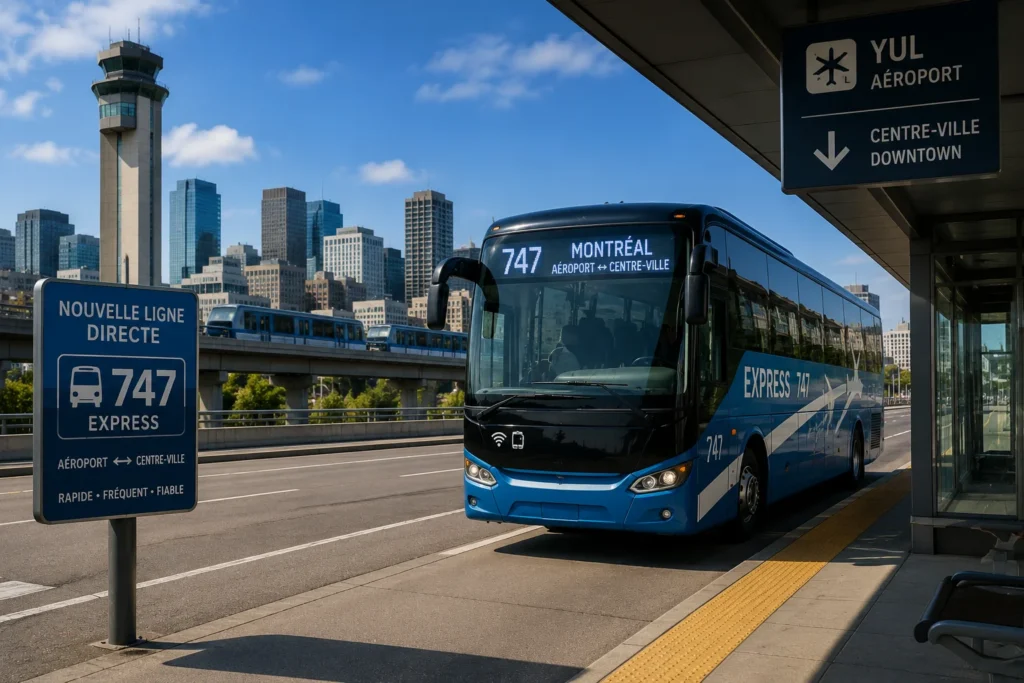
Navigating urban traffic during the peak summer travel season is a familiar hurdle for global jet-setters. In response to recent infrastructure upgrades and localized traffic adjustments at Montreal-Trudeau International Airport, a major multimodal transit initiative has officially launched to streamline the journey between the city’s urban core and its primary international gateway. The introduction of the new Air Canada City Shuttle, operated in a strategic partnership with The Landline Company, marks a significant shift toward integrated ground-to-air passenger logistics, providing a highly predictable and economical alternative to traditional taxis and rideshare platforms.
According to official regional aviation statements, this newly deployed motorcoach infrastructure addresses a crucial logistical gap for business travelers, convention attendees, and international tourists alike. By leveraging dedicated high-occupancy vehicle lanes along major highway corridors and securing exclusive access to a private airport entry point, the service provides a structured framework designed to bypass the surface-level vehicle congestion that frequently impacts standard airport drop-off zones.
Timed to Connect: The Structure of the Daily Schedule
The transit network has been meticulously synchronized with the airline’s daily flight departures and arrivals, offering 37 daily scheduled trips that run seven days a week. Ground transport planners have structured the timetable to address the specific pressure points of morning and evening rush hours, ensuring that passengers can accurately forecast their arrival times at the terminal.
For passengers departing from the metropolitan center, the primary embarkation point is established at the Palais des congrès de Montréal, a centrally located landmark that features a dedicated, climate-controlled passenger waiting lounge. The early morning peak service departs every 15 minutes between 4:45 a.m. and 6:30 a.m., seamlessly accommodating early business commuter waves. Following the initial morning peak, the coaches transition to a steady 30-minute departure frequency that continues throughout the day until the final evening run at 9:00 p.m.
Conversely, arriving international and domestic travelers can access the return service directly from the airport terminal’s departures level at Door 7. Mirroring the inbound structure, the airport-to-downtown route operates at 15-minute intervals during the early hours from 5:15 a.m. to 6:45 a.m., followed by half-hour departures until operations conclude for the night at 10:00 p.m. This high-frequency design aims to eliminate the lengthy wait times often experienced at standard curbside taxi stands and designated rideshare pickup zones.
Premium Fleet Economics and Passenger Protections
The service utilizes a fleet of premium, Quebec-built Prevost motorcoaches managed by the regional transport specialists at Autobus Galland. Each vehicle is configured to mirror the comfort standards of premium air travel, featuring 48 reclining leather seats, generous legroom, individual power outlets, onboard washrooms, and complimentary high-speed wireless connectivity.
To encourage widespread adoption among leisure travelers and families, the one-way fare has been fixed at a highly accessible baseline of nine dollars before applicable regional taxes, with children aged fifteen and under traveling free of charge when accompanied by a paying adult. This flat-rate model introduces immense price predictability when contrasted against the dynamic, surge-based pricing algorithms often utilized by modern smartphone rideshare services.
Furthermore, because the ground transit link is fully integrated into the broader commercial air network, passengers are provided comprehensive connection protection. Official airline guidelines state that in the rare event of an operational shuttle delay, customers who have booked their itinerary with a minimum connection window of 95 minutes will be automatically eligible for complimentary flight rebooking options, subject to immediate seat availability. This policy effectively mitigates the travel anxiety typically associated with unexpected highway delays.
Universal Accessibility and the Long-Term Infrastructure Vision
As modern transport ministries push for completely universal accessibility frameworks across all public and private networks, the new transit line incorporates robust accommodations for travelers with reduced mobility. The motorcoach fleet features fully accessible boarding mechanisms capable of handling wheelchairs and specialized mobility aids. Travelers requiring targeted boarding assistance are advised to coordinate directly with the operating motorcoach company ahead of their travel date to ensure all necessary ground accommodations are seamlessly positioned at the terminal gates.
Aviation strategy executives from Aéroports de Montréal highlight that this private sector transit initiative serves as a vital interim bridge while the city awaits major structural public transit expansions. The ongoing construction of the Reseau express metropolitain rail station and the redesign of permanent terminal drop-off areas are part of a multi-year master plan to completely re-engineer the airport’s landside accessibility.
By introducing high-capacity, low-emission motorcoach options immediately, the regional travel sector is successfully reducing the total volume of single-occupancy private vehicles entering the airport grounds. This integrated approach not only eases the immediate stress of the summer travel rush but also charts a sustainable, long-term course for efficient urban mobility in one of eastern Canada’s most critical tourism hubs.
For more travel news like this, keep reading Global Travel Wire