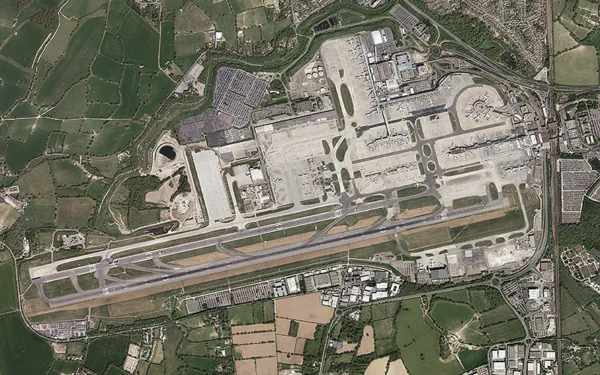
A major Gatwick Airport runway disruption forced 14 inbound aircraft to divert after a British Airways Airbus A320 suffered a suspected nose-wheel problem.
The aircraft landed safely late Tuesday night. However, it remained immobilised on Gatwick’s main operational runway and prevented other arriving flights from landing.
British Airways, easyJet, Jet2 and TUI Airways services faced diversions during the disruption. Aircraft rerouted to London Luton, London Stansted, Heathrow, Birmingham and Bristol.
Nine aircraft also declared fuel-related emergencies while waiting for landing clearance or diversion instructions. The event highlighted the operational pressure facing one of Europe’s busiest airports.
No passenger injuries were reported. However, the disruption affected European holidaymakers, returning UK travellers and passengers with onward connections across London and Southeast England.
The incident also renewed attention on Gatwick’s Northern Runway plans. The project could improve airport flexibility, support passenger growth and strengthen long-term aviation resilience.
British Airways Aircraft Blocks Main Runway
The disruption began after British Airways flight BA2673 arrived from Palma de Mallorca.
The Airbus A320 experienced a suspected nose landing gear problem during its approach. Pilots entered a holding pattern while assessing the situation before completing a precautionary landing.
Emergency teams attended the aircraft after touchdown. However, the aircraft could not immediately leave the runway.
Gatwick normally depends on its Southern Runway for commercial flight operations. Therefore, the disabled aircraft quickly interrupted inbound traffic and created wider network pressure.
The aircraft involved was registered as G-GATS. British Airways removed it from its planned operating schedule after the incident.
Although the landing ended safely, the runway blockage caused delays, diversions and significant operational challenges for airlines and passengers.
Fuel Concerns Force Multiple Flight Diversions
Several inbound aircraft remained in holding patterns while airport teams managed the blocked runway.
As waiting times increased, pilots reviewed their fuel levels and alternative landing options. Nine aircraft reportedly transmitted emergency code 7700.
The code identifies a general emergency and alerts air traffic controllers that an aircraft may need priority handling.
In this case, the declarations related to fuel concerns rather than technical failures aboard the diverted aircraft.
Commercial aircraft carry mandatory reserve fuel. However, pilots cannot remain in holding patterns indefinitely when a runway stays unavailable.
British Airways services from Bari and Tenerife faced disruption. Multiple easyJet flights also diverted, alongside a Jet2 service from Lanzarote and a TUI Airways flight from Rhodes.
The diversions protected operational safety. However, they also created fresh complications for passengers and airline ground teams.
Alternative Airports Create Further Passenger Delays
Landing at another airport does not always end a passenger’s disruption.
Unexpected arrivals may reach airports without suitable ground teams, baggage handlers, refuelling support or available transport.
One diverted easyJet service landed at London Stansted but reportedly faced a long wait. Limited overnight resources delayed passenger disembarkation and onward travel.
Other aircraft returned to Gatwick after the runway reopened. However, passengers still faced missed connections, changed ground journeys and extended travel times.
These problems can particularly affect families, older travellers and passengers carrying essential medication.
Visitors with hotel bookings, rail tickets or onward international flights may also face additional expenses and scheduling problems.
Northern Runway Could Improve Gatwick Flexibility
Gatwick has two parallel runways. However, their proximity prevents normal independent operations at the same time.
The Northern Runway currently supports taxiing and backup operations. Gatwick plans to reposition its centreline and introduce supporting infrastructure for routine departures.
The airport believes the project could expand capacity and improve operational flexibility during busy travel periods.
The development could benefit London, Southeast England and communities linked to Gatwick’s tourism economy.
Additional runway capacity may create more opportunities for European holiday services and long-haul routes. Airlines could gain greater scheduling flexibility, while passengers may benefit from stronger connectivity.
However, the recent disruption shows that resilience must remain central to the airport’s future planning.
Gatwick Supports Millions of Passenger Journeys
Gatwick handled approximately 43.2 million passengers during 2024. This placed it behind Heathrow but ahead of most other British airports.
Heathrow handled around 83.9 million passengers, while Manchester welcomed approximately 30.9 million.
Gatwick connects travellers with more than 220 destinations worldwide. Its network supports beach holidays, city breaks, business travel, family visits and long-haul tourism.
Therefore, even a short runway closure can affect thousands of travellers across several countries.
Disruption can also affect hotels, tour operators, coach services, airport retailers and tourism businesses across Southeast England.
What Travellers Should Do During Disruption
Passengers travelling through Gatwick should monitor airline applications and airport updates before leaving for the terminal.
Travellers should keep medication, valuables, chargers and essential documents in cabin baggage. Flexible onward arrangements can also reduce the impact of unexpected diversions.
Passengers should retain boarding passes, booking confirmations, receipts and airline messages following significant delays or cancellations.
UK passenger protection rules may require airlines to provide refreshments, communication support and accommodation during qualifying disruption.
Travellers may also receive rerouting or refund options after cancellations. Compensation will depend on the cause and circumstances of the disruption.
Runway Resilience Becomes an Aviation Priority
The Gatwick incident shows how one disabled aircraft can disrupt a busy international airport within minutes.
Airlines continue investing in modern aircraft, digital systems and operational efficiency. However, airport infrastructure must also support rapid recovery when emergencies occur.
Travellers understand that weather, technical faults and unexpected events can interrupt journeys. They still expect clear communication, fast decisions and practical assistance.
Gatwick’s planned runway changes could improve capacity and flexibility. Yet the wider lesson extends beyond one airport.
Runway resilience has become essential for reliable tourism, stronger airline networks and continued global connectivity.
For more travel news like this, keep reading Global Travel Wire