Vietnam and China are accelerating tourism cooperation through stronger railway connectivity, investment, cultural exchange and regional travel development.
The two neighbouring countries have officially launched the Vietnam–China Tourism Cooperation Year 2026–2027. The initiative aims to increase visitor exchanges, strengthen tourism services and support closer connections between communities and businesses.
Tourism now forms an important part of the wider strategic relationship. Both governments want to improve transport links, promote destinations and create smoother journeys for travellers moving between the two countries.
The programme could benefit airlines, hotels, railway operators, attractions and local tourism businesses. It may also encourage visitors to combine Vietnam and China within longer multi-country Asian itineraries.
The cooperation comes as both countries seek stronger economic ties and more effective infrastructure connections across their shared border.
Railway Networks Become Major Cooperation Priority
Railway development stands at the centre of the expanding partnership.
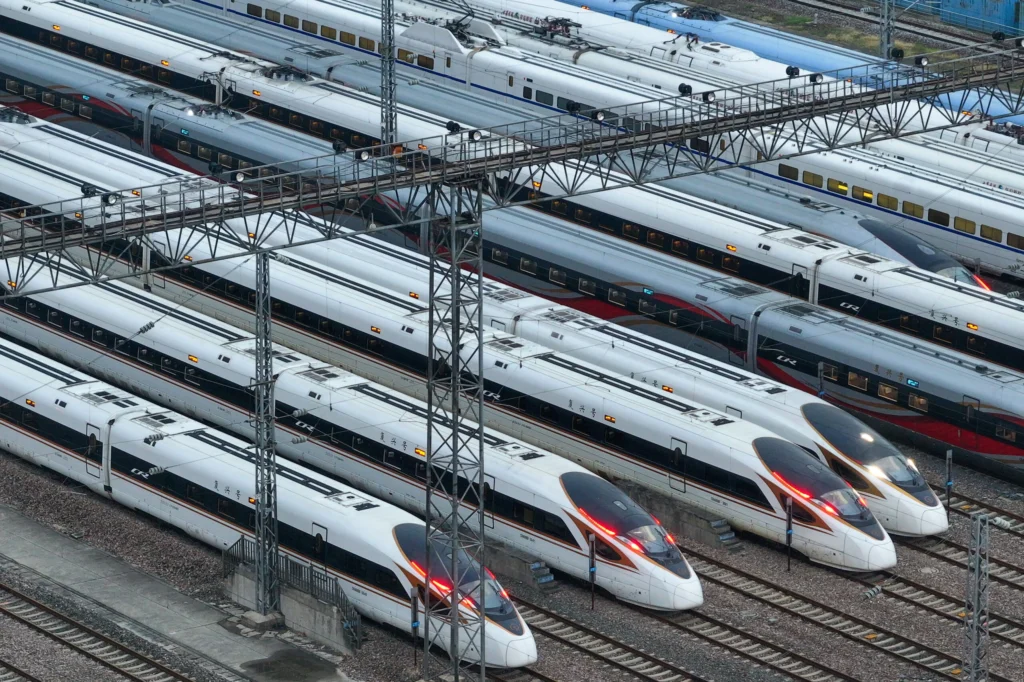
Vietnam and China have agreed to give greater priority to railway cooperation and strategic infrastructure connectivity. Their plans include standard-gauge lines capable of improving passenger and freight movement between northern Vietnam and southern China.
The proposed Lao Cai–Hanoi–Hai Phong railway represents one of the most important projects. The route could connect Vietnam’s northern border with Hanoi and the major port city of Hai Phong.
Other planned corridors include railways connecting Lang Son with Hanoi and Mong Cai with Ha Long and Hai Phong.
These projects remain at different planning and development stages. However, they reflect a long-term ambition to create stronger transport connections between economic centres, border regions and tourism destinations.
Better railways could provide travellers with an alternative to road and air journeys while supporting more comfortable cross-border movement.
Faster Connections Could Expand Tourism Routes
Improved railway infrastructure could reshape tourism across northern Vietnam and southern China.
Travellers may eventually gain easier access to Hanoi, Lao Cai, Ha Long, Hai Phong and destinations close to the Chinese border.
Lao Cai already serves as an important gateway to Sapa, one of Vietnam’s leading mountain destinations. Stronger rail connections could bring more visitors to its landscapes, ethnic communities and nature-based tourism experiences.
Hai Phong provides access to coastal attractions and areas near Ha Long Bay. Meanwhile, Hanoi remains a major cultural, historical and aviation gateway.
On the Chinese side, better transport links could strengthen access to destinations across Guangxi and Yunnan.
Railway journeys may also support longer regional itineraries by allowing travellers to combine cities, natural attractions and border communities within one trip.
Tourism Cooperation Year Supports Visitor Growth
The Vietnam–China Tourism Cooperation Year 2026–2027 will provide a platform for destination promotion, cultural programmes and tourism-business partnerships.
Authorities plan to strengthen joint promotional activities and improve tourism infrastructure and visitor services.
Both countries also want to maintain their positions as important tourism source markets for each other.
Vietnam offers beaches, heritage cities, mountain regions and world-famous natural landscapes. China provides ancient landmarks, modern metropolitan centres and diverse cultural destinations.
Coordinated tourism campaigns could encourage travellers to explore a wider range of locations beyond major gateways.
Travel agencies may also develop new packages combining rail journeys, cultural attractions and regional festivals.
Cultural Exchanges Strengthen People-to-People Links
Culture remains an important foundation of the partnership.
Vietnam and China plan to expand exchanges involving tourism, media, education, arts, health and sports.
Festivals, exhibitions and cultural performances could introduce visitors to traditional music, food, crafts and local customs.
These activities can help tourism move beyond sightseeing. Travellers increasingly seek meaningful experiences that connect them with local communities and cultural traditions.
Heritage tourism could become particularly important because both countries have extensive historic sites and shared regional influences.
Educational exchanges and youth programmes may also create future travel demand by building stronger personal connections between citizens.
Investment Could Improve Tourism Infrastructure
Greater investment cooperation could support hotels, railway stations, border facilities and digital visitor services.
Modern infrastructure plays an important role in attracting tourists and encouraging longer stays.
Improved stations can support retail, restaurants, accommodation and ground transportation. Smart border systems may also reduce delays and create more predictable travel experiences.
Vietnam has encouraged Chinese investment in areas that support national development priorities and match China’s technological and infrastructure strengths.
Tourism destinations could benefit when investment creates new employment, improves facilities and strengthens connections with major transport networks.
However, sustainable planning will remain essential to protect local communities, cultural heritage and natural environments.
Technology Supports Smarter Cross-Border Travel
Science, technology and digital innovation also feature in the wider cooperation strategy.
Smart tourism platforms could provide multilingual travel information, digital ticketing and destination guidance.
Improved payment systems may make it easier for visitors to book hotels, transport and attractions across borders.
Technology can also support railway operations, passenger information and border management.
Reliable digital services will become increasingly important as tourism flows grow and travellers expect seamless journeys from planning to arrival.
Partnership Could Strengthen Regional Asian Tourism
The cooperation has implications beyond Vietnam and China.
Stronger railway and tourism networks could support future journeys linking Vietnam with Laos, Cambodia, Thailand and other Southeast Asian destinations.
Vietnam could become an important bridge between southern China and the wider region.
The partnership does not guarantee immediate seamless travel across Asia. Major railway projects require financing, construction, testing and cross-border coordination.
Nevertheless, the Tourism Cooperation Year and growing focus on infrastructure mark an important step.
Vietnam and China are using tourism as a tool for economic growth, cultural understanding and regional connectivity.
As railway plans advance and visitor exchanges expand, the partnership could create a more connected travel landscape across Asia.
For more travel news like this, keep reading Global Travel Wire