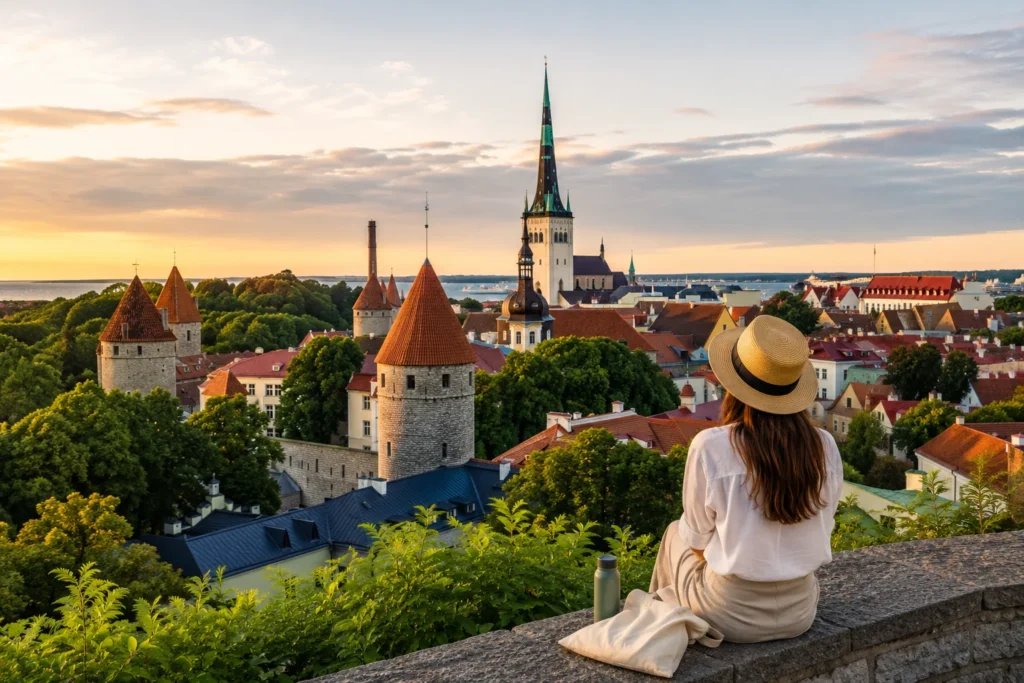
A comprehensive urban environmental analysis evaluating nearly 70 European cities has named Tallinn, Estonia, as the continent’s premier destination for peaceful, stress-free travel in 2026. The study highlights a decisive structural shift in international tourism, as growing numbers of leisure travelers abandon overcrowded, high-density capitals in pursuit of destinations designed to support mental wellbeing, low ambient noise, and unhurried cultural discovery.
Trailing Tallinn in the top five peaceful destinations are Zurich (Switzerland), Tartu (Estonia), Trondheim (Norway), and Vilnius (Lithuania). By evaluating destinations on core livability and comfort indicators—including noise pollution levels, air quality standards, personal safety, urban walkability, and green space access—the analysis establishes a practical framework for wellness-first European itineraries.
The Rise of Restorative Urban Tourism
For decades, international holiday planning prioritized maximum sightseeing output: visiting as many high-volume landmarks and transit hubs as possible within a fixed vacation window. In 2026, that traditional travel model faces widespread resistance from travelers suffering from sensory overload, transit fatigue, and severe congestion in traditional hotspot capitals.
The calmcation travel trend represents a deliberate turn toward slow travel. Rather than moving through rapid-fire sightseeing checklists, wellness-conscious tourists are selecting destinations based on their capacity to restore personal energy, enable safe pedestrian exploration, and offer clean, quiet surroundings.
Why Tallinn Claims the Top European Spot
Estonia’s capital secured the top position by offering an optimal balance of rich historical heritage and modern urban comfort. Tallinn’s UNESCO-listed medieval Old Town delivers exceptional architectural depth within a compact, fully pedestrian-scale environment. Visitors can navigate cobblestone corridors, historic city walls, and local cafes entirely on foot, eliminating the daily transport stress common in major European metropolises.
Beyond its physical layout, Tallinn distinguishes itself through low urban noise pollution and clean air metrics compared to major Western European capitals. Strong public safety records across both historic and residential districts further allow visitors to explore spontaneously without heightened security anxieties.
Top Peaceful Destinations Across Europe
The analysis identified distinct operational strengths across the top-performing regional cities:
Zurich, Switzerland
Taking second place overall, Zurich combines superior public infrastructure with seamless integration of natural lakeshores and green parks. The city’s organized transportation networks and well-maintained public spaces maintain lower noise thresholds than comparable international economic centers.
Tartu, Estonia
Ranking third, Tartu showcases the benefits of a secondary university city. Its relaxed academic atmosphere, quiet riverfront paths, and absence of high-density tour groups offer one of the most genuinely peaceful urban atmospheres in Northern Europe.
Trondheim, Norway
Trondheim placed fourth due to its seamless transition between historic urban architecture and natural fjord landscapes. The Norwegian city allows travelers to combine morning cultural visits with afternoon nature walks without requiring long travel times.
Vilnius, Lithuania
Completing the top five, Vilnius excels with its expansive urban tree canopy, bohemian neighborhood quarters, and Baroque historic center. The Lithuanian capital rewards unhurried, multi-day exploration centered around café culture and parklands.
Comparing Stress Metrics in High-Density Capitals
While the calmcation framework identifies top-performing peaceful cities, it also measures environments where dense urban traffic, crowd congestion, and noise create higher visitor friction.
Cities like Naples, Italy, ranked among the most stressful urban environments due to intense vehicular traffic, narrow crowded thoroughfares, and high ambient noise levels. Antwerp (Belgium) and Bucharest (Romania) also logged lower scores on peacefulness metrics.
Similarly, global cultural powerhouses such as Athens, Marseille, and Milan scored lower on specific calmcation indicators like noise reduction and green space accessibility, despite maintaining massive appeal for historical and culinary tourism. The rankings serve not as a warning against visiting these historic centers, but as a comparative guide for travelers prioritizing physical rest over high-intensity sightseeing.
Practical Planning Strategies for Restorative Travel
Travelers seeking to adopt calmcation travel principles for upcoming trips can maximize their experience through several targeted planning approaches:
Extend Stay Duration: Spend a minimum of three to four nights in a single city to eliminate constant hotel check-ins and transit scheduling.
Prioritize Central Walkability: Select accommodations within or adjacent to historical pedestrian zones to eliminate reliance on taxis and motor vehicles.
Combine Complementary Regional Hubs: Pair primary and secondary peaceful cities—such as combining Tallinn and Tartu via a short two-hour rail connection—for a balanced regional itinerary.
Schedule Off-Peak Sightseeing: Explore popular historic quarters during early morning hours or midweek days to experience public spaces at their quietest.
Engage Neighborhood Dining: Dine at local establishments situated several streets away from primary landmark squares to enjoy quieter atmospheres and authentic regional cuisine.
As destination management organizations adapt to changing traveler preferences, secondary and eco-conscious European cities are well-positioned to capture growing market share by prioritizing livability, environmental quality, and sustainable visitor management.
For more travel news like this, keep reading Global Travel Wire