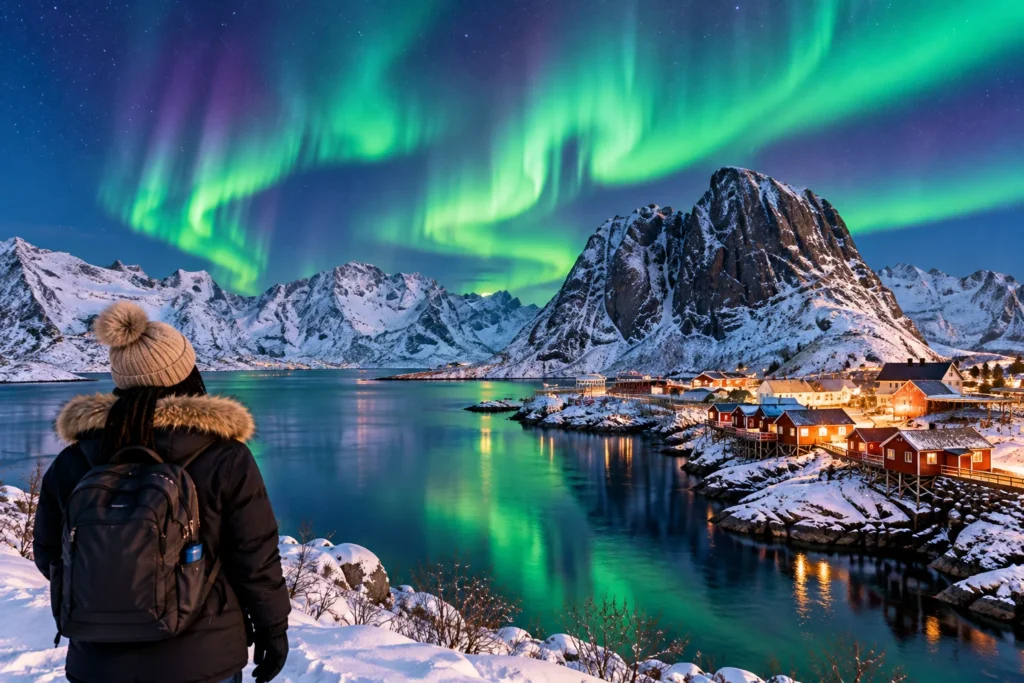
Observing the northern lights, or aurora borealis, remains one of the world’s premier travel experiences. The natural phenomenon occurs when solar particles interact with Earth’s upper atmosphere, producing vibrant displays across polar skies. For Nigerian travelers planning an Arctic expedition to destinations like Tromsø in northern Norway, successful preparation requires addressing visa regulations, processing timelines, and financial requirements long before booking flights or accommodation.
Navigating Schengen Visa Requirements for Nordic Travel
Primary destinations for aurora viewing include Norway, Sweden, Finland, and Iceland—all of which operate within the Schengen area. Nigerian passport holders require a standard Schengen short-stay visa to visit these countries for stays of up to 90 days within any 180-day period.
Diplomatic missions emphasize key administrative guidelines for applicants:
Correct Jurisdiction: Applicants must apply through the embassy or official processing center of the country where they intend to spend the most nights. If spending equal nights across multiple Nordic nations, the application goes to the country of first entry.
Official Application Channels: Finland and Sweden direct Nigerian applicants to official VFS Global centers located in Lagos and Abuja. Norwegian visa processing in Nigeria is similarly handled through VFS Global, with Icelandic applications generally processed via Norway.
ETIAS Clarification: The European Travel Information and Authorization System is strictly designed for visa-exempt foreign nationals. Nigerian citizens must hold a full Schengen visa rather than an ETIAS clearance.
Securing visa approval prior to finalizing hotel reservations or flight tickets protects travelers against non-refundable financial losses in the event of processing delays or refusals.
Application Costs, Processing Times, and Anti-Scam Rules
Standard Schengen visa fees are set at €90 for adults and €45 for children aged 6 to 11, excluding local service provider fees. Applicants are also required to purchase compliant travel medical insurance providing a minimum of €30,000 in emergency medical and repatriation coverage.
Official guidelines outline processing expectations and security protocols:
Processing Duration: Standard visa processing takes approximately 15 calendar days from submission, though administrative reviews may extend up to 45 calendar days. Applicants can submit documentation up to six months prior to their intended travel date.
Document Authenticity: Diplomatic missions strictly warn against third-party intermediaries claiming guaranteed approvals or expedited appointment slots. Presenting fraudulent documentation results in immediate refusal and potential Schengen-wide entry bans.
Documentation Checklist: Requirements include a valid passport (issued within ten years, valid three months beyond planned departure, with two blank pages), proof of accommodation, return transport bookings, verified bank statements demonstrating financial sufficiency, and clear evidence of intent to return to Nigeria.
Submitting complete, verified financial documentation reflecting authentic travel intent ensures applications are assessed accurately by consular authorities.
Digital Border Inspections and European Entry Rules
Travelers arriving at European ports of entry encounter digital border management protocols via the Entry/Exit System. The automated system records passport data, facial images, entry and exit dates, and verifies previously captured biometrics.
Key airport immigration procedures include:
Biometric Verification: Fingerprint data recorded during the initial visa application is cross-referenced upon arrival.
Mandatory Compliance: Refusal to provide biometric verification at the border checkpoint results in immediate entry refusal under standard Schengen border codes.
Understanding border requirements prevents unexpected delays when transitioning through major European transit hubs.
Best Viewing Windows and Arctic Expense Budgeting
The primary northern lights season in Arctic regions like Tromsø extends from late September through early April, with peak activity typically recorded between October and March. Space weather predictions indicate that while solar activity has passed its cycle peak, conditions remain highly favorable for vibrant displays across northern latitudes.
Tourists should factor local operational costs into their overall travel budget:
Tour Pricing: Standard guided aurora excursions generally cost between 1,700 and 2,200 Norwegian kroner, while small-group photography tours range higher.
Stay Duration: Tourism boards recommend staying three to four nights in northern destinations to account for cloud cover and changing local weather conditions.
By preparing documentation early and establishing realistic financial budgets, Nigerian travelers can successfully navigate international entry requirements to experience the northern lights.
For more travel news like this, keep reading Global Travel Wire