The global travel and tourism landscape experienced a dynamic second quarter in 2026, characterized by shifting international flight corridors and geopolitical volatility in the Middle East. Despite temporary downturns in worldwide passenger traffic during April and May, official financial disclosures and public performance summaries from travel technology provider Amadeus reflect a resilient global tourism ecosystem. The company reported a 5.1 percent revenue growth at constant currency for the first half of 2026, reaching 3.33 billion euros, while maintaining high profitability and generating 472.2 million euros in free cash flow.
Official industry data highlights that while global air traffic contracted outside the pandemic period for the first time in fifteen years, modern digital infrastructure has allowed airlines, hospitality operators, and destination management organizations to maintain operational continuity and financial stability.
Financial Resilience Across Key Aviation and Hospitality Sectors
The first half of 2026 demonstrated how technological diversification buffers the travel economy against regional air traffic volatility. Group operating income reached 943.2 million euros, while adjusted earnings before interest and taxes reached 1.01 billion euros, representing a 4.9 percent increase at constant currency.
Performance across specific business divisions illustrates where growth and stability originated during this operating period:
Air IT Solutions: Registered an 8.7 percent expansion in revenue at constant currency, powered by the boarding of 1.09 billion passengers through connected platforms and higher adoption of next-generation reservation systems. Revenue per passenger boarded increased by 7.5 percent at constant currency.
Hospitality and Other Solutions: Achieved a 9.2 percent revenue gain at constant currency, totaling 543.4 million euros. Demand was propelled by new enterprise implementations, increased transaction volumes, and major deployments of central reservation systems across global hotel chains.
Air Distribution: Generated 1.58 billion euros in revenue, representing a 1.1 percent increase at constant currency despite a 3.7 percent drop in total booking volumes to 238 million. A 5.1 percent rise in revenue per booking helped counterbalance lower transaction totals caused by Middle East flight cancellations and schedule alterations.
The completion of a 500 million euro share repurchase program in June 2026 further underscored balance sheet strength, with net financial debt remaining at 1.0 times last-twelve-month EBITDA.
Navigating Geopolitical Interruptions and Air Traffic Softening
Geopolitical instability in the Middle East from March 2026 onward led to widespread flight route adjustments, rebookings, and localized cancellations across international aviation corridors. According to official flight data parameters published by international civil aviation authorities, passenger volume growth weakened significantly throughout the second quarter, leading to a temporary contraction in global air traffic during April and May.
However, advanced digital ecosystems enabled travel providers to handle sudden operational disruptions without compromising passenger safety or core system stability. Connected airline technology platforms supported commercial carriers in processing complex re-accommodations, flight schedule updates, and customer support workflows, effectively converting operational friction into automated, efficient solutions.
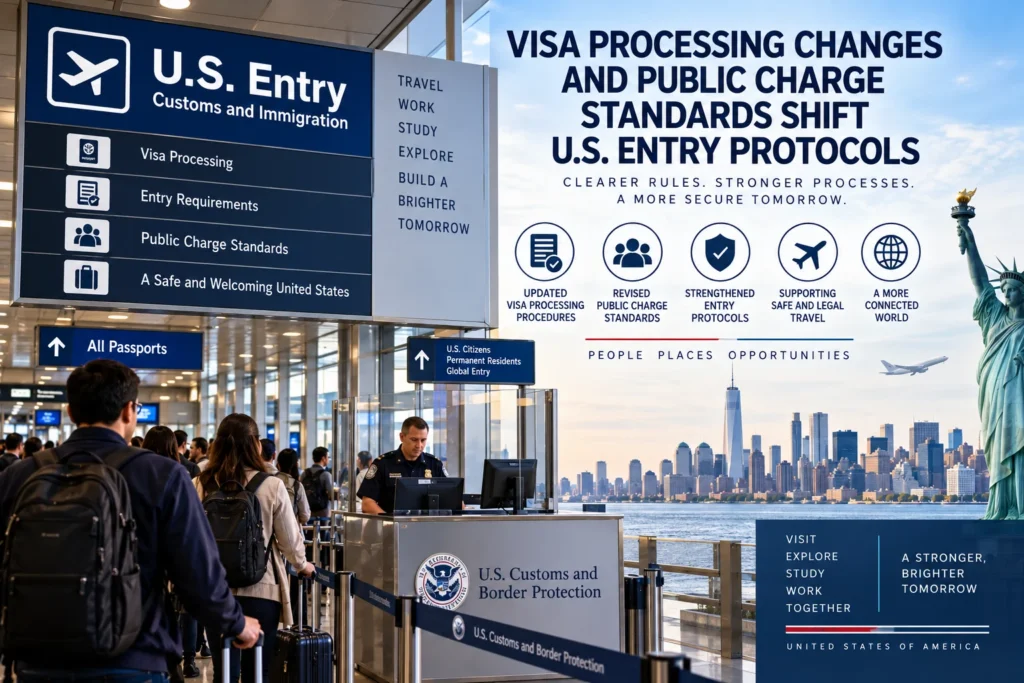
Furthermore, regulatory progress surrounding the planned acquisition of IDEMIA Public Security advances the deployment of biometric and identity verification services. Official regulatory approvals expected prior to transaction closing will accelerate frictionless, identity-verified border crossings and airport check-ins across global transportation hubs over the coming months.
Strategic Guidance and Travel Recommendations for International Travelers
For international travelers navigating evolving flight schedules, destination updates, and regional travel advisories, technological enhancements across global distribution channels offer direct, practical benefits:
Explore Alternative Routing Corridors: Travelers booking journeys across regions experiencing temporary air traffic constraints can utilize secondary aviation hubs and flexible multi-segment routing to secure optimal flight availability and competitive ticket pricing.
Verify Airline Technology Capability: Commercial carriers utilizing modern cloud-native reservation and operational systems are equipped to process flight re-accommodations and schedule adjustments far more rapidly during unexpected regional disruptions.
Capitalize on Integrated Payment Systems: Upgraded booking and payment solutions integrated across destinations facilitate faster refund processing, digital voucher distribution, and seamless itinerary modifications when schedules shift suddenly.
Prepare for Biometric Airport Upgrades: With identity verification technology expanding across major international hubs, travelers are encouraged to register for digital identity protocols to streamline security checkpoints and airport boarding procedures.
Future Outlook for Global Tourism Infrastructure
The operational results of the first half of 2026 emphasize that digital agility and technological infrastructure are essential for maintaining global tourism flows during periods of market uncertainty. While regional geopolitical events can rapidly alter short-term booking patterns, the continued adoption of integrated reservation, airport, and hospitality software guarantees that destination economies remain adaptable.
Tourism boards, national civil aviation ministries, and private travel sellers continue to collaborate with global technology providers to establish unified disruption-response standards. By investing in flexible booking environments, biometric passenger processing, and interconnected travel management solutions, the global tourism sector enters the second half of 2026 well-positioned to sustain long-term visitor growth and economic stability.
For more travel news like this, keep reading Global Travel Wire