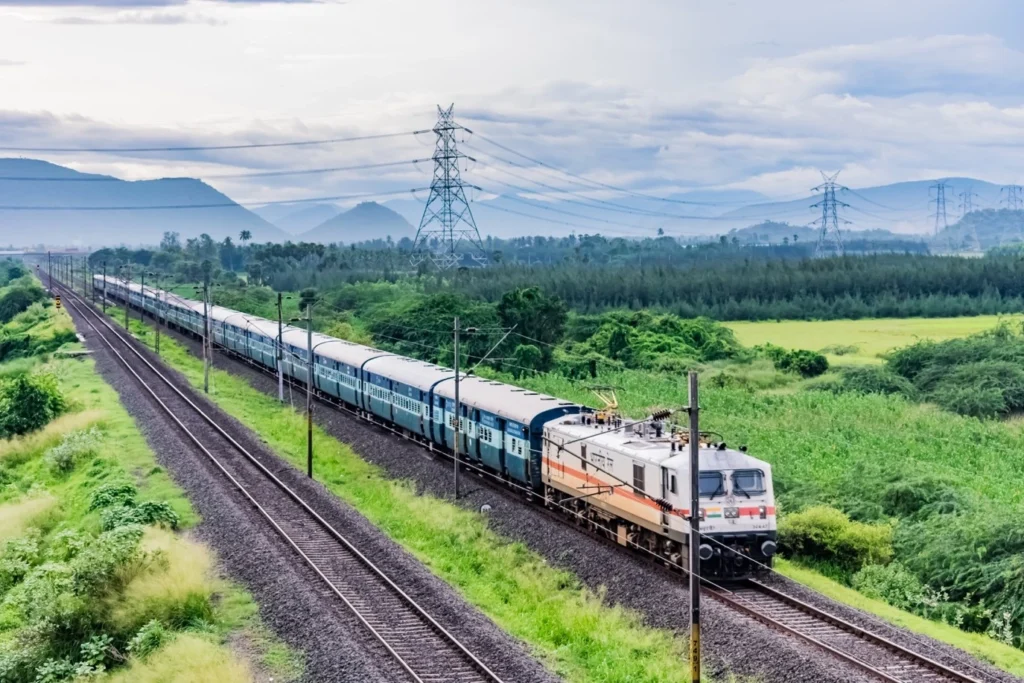
Indian Railways has extended the existing Ludhiana–Jakhal passenger service to Jind, creating a direct rail connection between the major Punjab industrial centre and the important Haryana railway junction.
The extended service removes the need for passengers to change trains at Jakhal, making journeys between Ludhiana and Jind simpler and more convenient. It is expected to benefit daily commuters, workers, students, traders and families travelling between communities across the two neighbouring states.
Under the revised arrangement, Train No. 54054 will operate from Ludhiana to Jind. Train No. 54053 will serve passengers travelling in the opposite direction from Jind to Ludhiana.
The extension transforms the earlier Ludhiana–Jakhal passenger operation into a longer regional service. Its overall route increases from approximately 128 kilometres to nearly 200 kilometres, giving passengers access to a wider section of the northern railway network.
Direct service removes Jakhal interchange
Before the extension, passengers travelling between Ludhiana and Jind generally needed to change trains at Jakhal or arrange another form of transport for part of the journey.
The new direct operation allows them to remain on the same train throughout the route. This reduces the inconvenience associated with waiting for connections, transferring luggage and managing separate journey arrangements.
The change may be particularly valuable for older passengers, families with children and travellers carrying goods or heavy bags. It can also improve journey reliability because passengers will no longer depend on the punctual arrival of a connecting service at Jakhal.
For regular commuters, a direct train can make travel planning more predictable and support easier movement between workplaces, educational institutions, markets and residential communities.
Ludhiana and Jind gain stronger links
Ludhiana is one of Punjab’s most important industrial and commercial centres. Its manufacturing economy attracts workers, suppliers, traders and business visitors from across northern India.
Jind is a major regional centre and railway junction in Haryana, connecting surrounding towns and rural communities with several wider transport corridors.
A direct passenger service between the two cities can strengthen movement between their local economies. Small businesses, agricultural traders and workers may gain from a more convenient and affordable public transport option.
The service also improves access to intermediate stations along the Ludhiana–Dhuri–Jakhal–Jind corridor. Therefore, its benefits extend beyond the two terminal cities to passengers living in smaller towns and rural areas.
Students and workers set to benefit
Regional passenger trains remain essential for people who travel regularly but may not require premium or long-distance express services.
Students attending colleges and training institutions can use the improved connection to reach education centres across Punjab and Haryana. Workers travelling to industrial areas, markets and service-sector jobs may also benefit from reduced journey complexity.
Meanwhile, traders can use the route to access commercial centres without relying entirely on private vehicles or road-based public transport.
Passenger rail services often provide lower-cost mobility than many alternative travel options. This makes route extensions especially important for people who undertake frequent journeys and need to manage transport expenses carefully.
Extension supports local economies
Better rail connectivity can increase movement between markets and encourage greater interaction among neighbouring districts.
Ludhiana’s textile, bicycle, engineering and manufacturing industries depend on regional labour and supply networks. Easier access from Haryana may support business travel and workforce mobility.
Similarly, passengers arriving in Jind can connect with services toward other parts of Haryana and northern India. This creates wider journey opportunities through the state’s rail network.
Increased passenger movement can also support station-area businesses, including food vendors, local transport operators, shops and small accommodation providers. Even modest improvements in regional services can generate wider economic activity around railway stations.
Public transport becomes more attractive
By eliminating the train change at Jakhal, Indian Railways is making rail travel more competitive with buses and private vehicles on the corridor.
A convenient direct service may encourage some travellers to shift from roads to rail. This can reduce dependence on private transport while helping manage congestion and fuel expenses.
Railways also provide an important mobility option during difficult weather conditions and periods of increased road traffic.
The extension demonstrates how modifying an existing service can deliver meaningful connectivity gains without introducing an entirely separate train. Using the established route and infrastructure allows Indian Railways to expand access across state boundaries.
Passengers should confirm operating details
Travellers planning to use Train Nos. 54054 and 54053 should check the latest official timetable before departure.
Passengers should verify departure and arrival times, intermediate stoppages, ticketing arrangements and the effective date of the extended operation. Operational schedules can change according to railway requirements.
Those connecting with other trains at Ludhiana, Jind or intermediate stations should leave sufficient time between services. Checking official railway updates before travelling can help passengers avoid disruption.
Regional passenger trains remain essential
Although premium and high-speed services often attract greater attention, ordinary passenger trains remain central to everyday mobility across India.
They connect industrial cities, district centres and rural communities while supporting employment, education, trade and family travel.
The extension of the Ludhiana–Jakhal service to Jind reflects this continuing role. It creates a practical direct link between Punjab and Haryana while improving access for passengers across the wider regional corridor.
By extending the route to nearly 200 kilometres, Indian Railways has delivered a simpler journey between Ludhiana and Jind. The service strengthens regional integration, supports local economies and provides passengers with a more convenient and affordable travel option.
For more travel news like this, keep reading Global Travel Wire