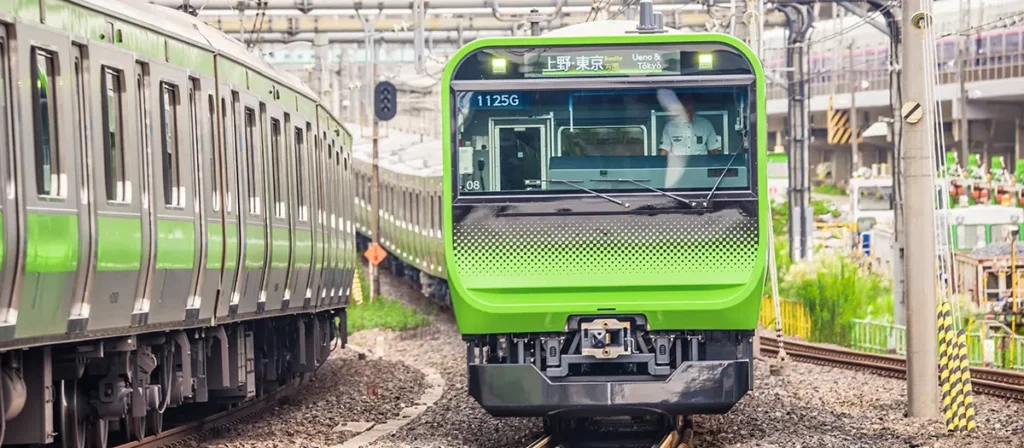
JR East and Chiba Prefecture have expanded the seasonal Thank You Chiba Free Pass, giving travellers broader access to railway, bus and ferry services during the 2026 autumn and 2027 early spring travel periods.
The ticket, officially promoted in English as the Chiba 2-Day Pass, provides unlimited travel across participating transport networks for two consecutive days. The programme aims to make regional exploration easier while encouraging visitors to discover coastal communities, rural landscapes, heritage towns and local attractions beyond central Tokyo.
The adult pass costs 4,170 yen, while the child fare is 2,080 yen. Travellers can purchase it at selected JR East stations within Chiba Prefecture and at Kurihama Station using reserved-seat ticket machines. Sales are not available at staffed Midori no Madoguchi counters.
Autumn and early spring dates confirmed
The autumn edition goes on sale from August 1 until October 30, 2026. It can be used between September 1 and October 31, 2026.
The early spring sales period begins on December 4, 2026, and continues until February 27, 2027. Travellers can use the pass from January 4 until February 28, 2027.
Within these travel windows, passengers select any two consecutive days for unlimited journeys. Tickets can generally be purchased from one month before the intended start date until the first day of use.
The seasonal timetable creates opportunities to experience autumn scenery, coastal landscapes and early spring attractions without purchasing individual tickets for every journey.
Expanded railway coverage improves access
The updated programme includes JR East services within Chiba Prefecture and eight participating private railway operators.
Eligible networks include Isumi Railway, Kominato Railway, Choshi Electric Railway, Ryutetsu, Hokuso Railway, Keisei Electric Railway, Shibayama Railway and the newly added Toyo Rapid Railway.
The inclusion of Toyo Rapid Railway expands the free-travel area and strengthens access between western Chiba and the wider regional network. This gives travellers more flexibility when building multi-stop itineraries.
The pass covers ordinary and rapid JR trains in unreserved standard-class seating within the designated area. Passengers using limited express trains, Green Cars or premium railway services must purchase the relevant supplementary ticket.
Passengers can also use Keisei liner services within the covered area after purchasing the required liner ticket. Kominato Railway sightseeing services similarly require an additional reserved-seat ticket where applicable.
Buses and ferry add travel flexibility
The pass extends beyond railways by including selected bus routes operated by participating companies, including JR Bus Kanto and Nitto Kotsu.
It also covers the Tokyo Bay Ferry between Kanaya Port in Chiba and Kurihama Port in Kanagawa. This maritime connection allows travellers to combine railway journeys with a scenic crossing of Tokyo Bay.
The combination of rail, road and ferry transport creates opportunities for circular itineraries rather than simple return journeys. Visitors can travel through inland areas, explore the Boso Peninsula and return through a different corridor.
This integrated approach reduces the need to understand multiple fare systems, making regional travel easier for both domestic passengers and international tourists.
English support helps overseas visitors
The 2026 edition introduces stronger support for international travellers. Ticket displays and reserved-seat machine purchasing screens are available in English under the Chiba 2-Day Pass name.
This change can reduce confusion for visitors unfamiliar with Japanese ticketing systems. It also gives the programme a clearer identity for overseas tourists planning independent journeys from Tokyo or Narita.
Chiba is widely recognised as the home of Narita International Airport, but the prefecture also offers beaches, historic districts, fishing communities, mountain scenery and traditional railway experiences.
Simpler English-language purchasing could encourage arriving passengers to spend more time within Chiba instead of travelling immediately to Tokyo.
Visitor benefits extend beyond transport
Pass holders can access discounts, small gifts and other benefits at selected businesses and railway facilities.
Participating offers include discounts at some NewDays convenience stores, local restaurants and tourism businesses. Several railway operators also provide promotional items or shopping benefits.
The programme includes free rental bicycle access at 12 designated tourism information centres and locations near stations. These include areas such as Sakura, Sawara, Tateyama-region communities, Otaki, Onjuku and other destinations across the prefecture.
Bicycles can help visitors explore areas located beyond station entrances, supporting slower travel and greater spending in local communities. Availability is limited, and some rental points may close on selected days.
Regional tourism gains wider support
The expanded pass supports Japan’s efforts to distribute tourism beyond the country’s most crowded urban destinations.
Visitors using the ticket can combine coastal tourism, heritage experiences, local food and scenic railway journeys within one two-day itinerary. Increased passenger movement may benefit accommodation providers, restaurants, shops, attractions and small transport businesses.
Rail-based regional exploration can also reduce dependence on private vehicles and support more sustainable visitor mobility.
With expanded railway participation, English-language ticketing and integrated ferry and bus access, the Chiba 2-Day Pass offers a practical way to explore a diverse region close to Tokyo.
The seasonal programme strengthens Chiba’s appeal as more than an airport gateway, giving travellers affordable access to the prefecture’s coast, countryside, communities and cultural attractions.
For more travel news like this, keep reading Global Travel Wire