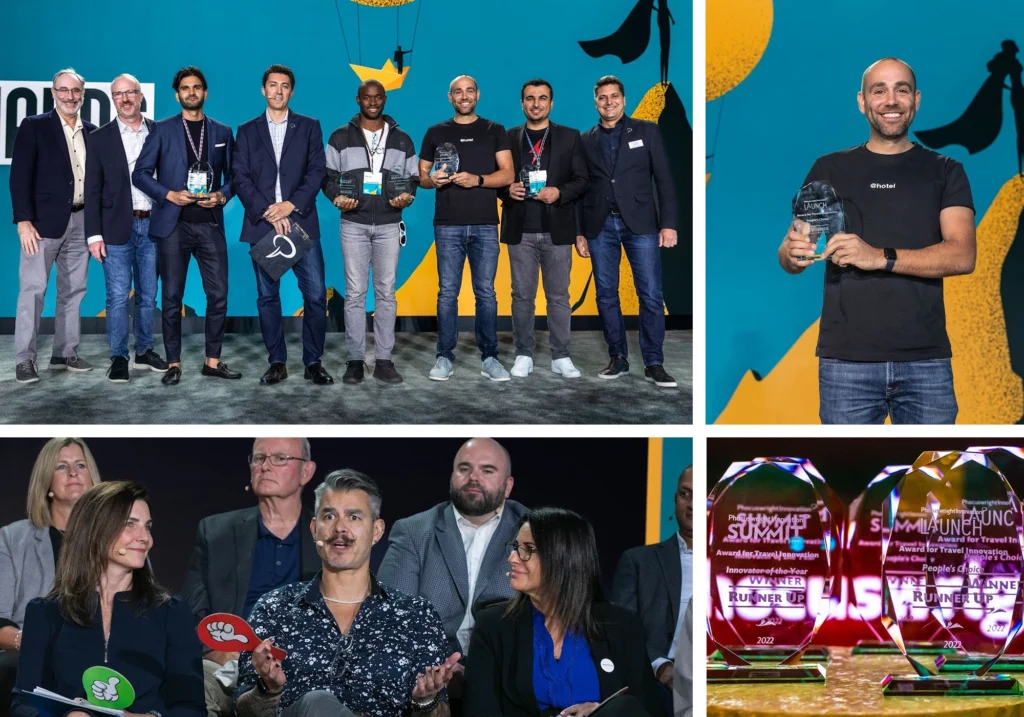
The United States is emerging as a major global meeting ground for travel technology in 2026, with influential conferences bringing together tourism leaders, technology developers, investors, airlines, hospitality companies and destination organisations.
The Phocuswright Conference and GBTA Convention anchor this expanding calendar. However, events covering destination marketing, meetings technology and tourism leadership are also contributing to a connected national innovation ecosystem.
These gatherings are arriving as artificial intelligence, automation and data-driven services reshape the complete traveller journey. Companies are deploying new tools for trip discovery, booking, corporate travel management, customer communication, payments and disruption support.
Consequently, conferences have moved beyond product exhibitions. They are becoming strategic platforms where businesses form partnerships, examine changing traveller expectations and decide how quickly to modernise their operations.
GBTA opens major business travel discussions
The GBTA Convention 2026 takes place from August 3 to 5 at McCormick Place in Chicago. The 57th annual convention brings together the corporate travel community for education, networking and access to new industry tools, research and technology.
Technology has become central to corporate travel because organisations increasingly require connected booking platforms, automated expense processes and stronger traveller support.
Artificial intelligence can help travel managers analyse spending patterns, communicate during disruptions and simplify routine administrative work. Meanwhile, digital payment and reporting platforms can provide greater visibility across complex travel programmes.
The Chicago gathering also creates commercial opportunities for the host city. Large conventions generate demand for hotels, restaurants, transportation and event services while strengthening the destination’s position within the global meetings industry.
Phocuswright brings travel leaders to Florida
The Phocuswright Conference will take place from November 17 to 19 in Fort Lauderdale, Florida. Its confirmed 2026 theme, “Pressures. Power. Pivots,” reflects an industry confronting technological disruption, changing commercial relationships and intensifying competition.
The conference is expected to attract decision-makers from online travel, airlines, hospitality, finance and technology. Confirmed participants include executives associated with major travel platforms, technology providers and global travel companies.
Phocuswright’s research-led format gives the event particular importance for businesses examining how AI will influence travel retailing and consumer behaviour.
Generative AI is changing how travellers search for destinations, compare accommodation and organise itineraries. Instead of navigating multiple websites, users increasingly expect conversational platforms to understand their preferences and present relevant choices.
For travel businesses, this creates both opportunity and pressure. Companies must determine how to use AI without weakening accuracy, traveller trust or brand identity.
Destination organisations embrace digital change
U.S. Travel Association events will add a destination perspective to the 2026 conference landscape.
The association’s Summer Summit is scheduled for July 29 to 31 in San Diego. Its official calendar positions the event as a leadership gathering addressing major issues and emerging challenges across the travel sector.
ESTO 2026 follows from August 23 to 26 in Philadelphia. The Educational Seminar for Tourism Organizations focuses on destination marketing strategies, industry trends and practical ideas for tourism leaders.
Digital transformation is increasingly important for destination organisations. Tourism boards now use data to understand visitor interests, measure campaigns and distribute demand across different neighbourhoods or regional attractions.
AI can also support personalised destination recommendations and faster visitor communication. However, tourism organisations still need strong human oversight to ensure that information remains accurate and reflects local priorities.
Meetings technology expands tourism influence
IMEX America will further connect technology with the meetings, events and incentive travel sector in Las Vegas.
Although it is not exclusively a technology conference, IMEX America brings together suppliers and buyers from the global business events industry. Its education programme and exhibition environment provide space for event platforms, destination technologies and digital attendee solutions.
Meetings technology now affects registration, networking, venue operations and attendee engagement. AI-powered tools can recommend business connections, analyse event participation and help organisers personalise content.
These improvements can strengthen destination competitiveness because cities with advanced venues and connected services may be better positioned to attract major international gatherings.
Startups seek investment and partnerships
Travel startups are likely to remain highly visible across the conference circuit. Emerging companies are developing conversational booking tools, automation systems, smart payment solutions and platforms for personalised travel.
Conferences allow founders to demonstrate these products directly to potential customers and investors. They also give established travel companies access to new capabilities without requiring every solution to be developed internally.
Investment discussions will remain important because travel technology must operate across complex systems involving airlines, hotels, distribution platforms and public infrastructure.
Conferences shape tourism’s digital future
There is no single official count covering every national US travel technology conference in 2026. However, the confirmed calendar shows that technology is now embedded across dedicated innovation conferences, corporate travel conventions, destination events and meetings-industry exhibitions.
Together, these gatherings will influence how travellers discover destinations, complete bookings and receive assistance.
The strongest opportunities will emerge when technology supports genuine traveller needs rather than simply adding digital complexity.
By connecting tourism organisations, investors and technology developers, the United States’ 2026 conference landscape is helping shape a more intelligent and connected global travel industry.
For more travel news like this, keep reading Global Travel Wire