Bhutan is modernising the journey through Paro International Airport by combining biometric immigration gates, digital visa services, broader airline distribution and planned infrastructure improvements.
The strategy aims to process approved visitors more efficiently without abandoning Bhutan’s controlled, high-value tourism model. Faster immigration does not remove visa conditions, the Sustainable Development Fee or Paro Airport’s weather-related operational limitations.
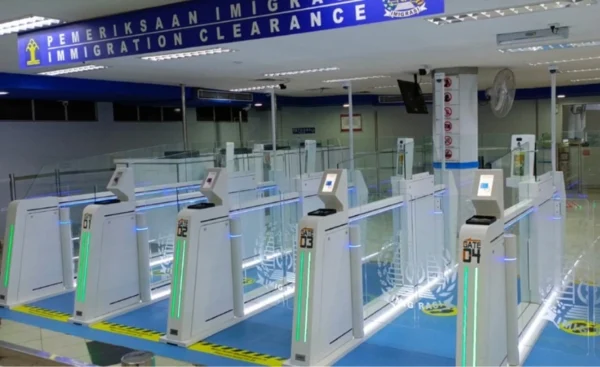
The Automated Immigration Clearance System launched at Paro International Airport on February 20, 2026. It uses passport scanning and biometric identity verification to allow eligible passengers to complete immigration independently through electronic gates.
The system is designed to reduce queues, minimise processing errors and strengthen the detection of fraudulent documents. However, travellers must still satisfy Bhutan’s entry requirements before reaching the automated gates.
Pre-approved travellers gain faster clearance
Eligible foreign passengers must be adults carrying valid ICAO-compliant passports and immigration authorisation approved before arrival.
Therefore, Bhutan’s system automates the final border-processing stage rather than creating unrestricted entry. Children, travellers with document problems and passengers whose identities cannot be authenticated may still require processing by immigration officers.
Travel businesses should not describe this arrangement as overseas immigration pre-clearance. Bhutanese border formalities are not completed at Delhi or another foreign airport before departure.
Bhutan has also not announced a separate mandatory electronic travel authorisation system. As of August 2, 2026, official immigration information reviewed for this article listed biometric clearance, online visas and stamp-less services but did not establish a Bhutan ETA or compulsory digital arrival card.
Digital visas reduce administrative delays
Most international visitors must obtain a visa before travelling to Bhutan. Applications can be completed online by individual travellers, hotels or authorised tour operators.
Bhutan’s official tourism platform states that completed applications are normally reviewed within five working days. Travellers must pay a non-refundable US$40 visa application fee and the applicable Sustainable Development Fee.
International visitors generally pay an SDF of US$100 per adult per night. Indian nationals require an entry permit and currently pay Nu 1,200 per adult per night, with reduced rates applying to eligible children.
Indian travellers can apply for permits online or at an authorised entry point. However, advance applications are encouraged because on-arrival processing may involve longer waiting periods.
Bhutan also introduced stamp-less visa services in February 2026, moving more extensions, re-entry endorsements and passport-transfer procedures into digital systems.
Delhi remains a critical aviation gateway
India remains central to Bhutan’s visitor economy and aviation network. Delhi provides an important connection for Indian travellers and international passengers transferring from long-haul services.
Drukair’s published 2026 schedules include regular flights between Paro and Delhi, alongside services connecting Bhutan with Kolkata, Guwahati and Bagdogra. Regional links also include Bangkok, Kathmandu, Dhaka, Dubai and Singapore.
Wider access through global distribution platforms can make these flights easier for international travel agencies to search and sell. Nevertheless, improved distribution does not automatically create additional seats or remove operational disruption risks.
Travel agents should verify current inventory and departure times because frequencies can change according to seasonal demand, regulatory approvals and operating conditions.
Paro retains significant flying restrictions
Biometric gates can improve terminal efficiency, but they cannot change Paro Airport’s demanding mountain environment.
Flight operations remain vulnerable to changing visibility, strong winds and turbulence. Airlines must also work within a limited daytime operating window, concentrating many arrivals and departures into relatively short periods.
Consequently, travellers connecting through Delhi, Bangkok, Kathmandu, Dubai or Singapore should build flexibility into their itineraries. Protected connections, adjustable hotel bookings and disruption support remain important for premium Bhutan journeys.
Morning flights may provide greater operational reliability during seasons when winds strengthen later in the day.
Planned expansion supports visitor growth
Bhutan’s government intends to combine digital services with physical airport and tourism infrastructure improvements.
The national budget for the 2026–27 financial year includes an integrated digital tourism system designed to improve visitor experience and service delivery. It supports an official target of 218,915 tourist arrivals during the financial year.
Proposed improvements involving Paro’s terminal, apron and cargo facilities could address bottlenecks that immigration technology cannot solve. Expanded physical capacity would support baggage handling, aircraft parking and passenger movement during concentrated flight periods.
However, faster processing should not be mistaken for a move toward unrestricted mass tourism. Bhutan continues to use visas, permits and daily visitor charges to manage demand while directing tourism revenue toward national development and conservation.
Controlled growth protects Bhutan’s tourism model
Bhutan’s emerging system separates visitor admission from processing efficiency.
Entry fees and visa rules influence demand. Airline schedules and travel distribution determine how visitors reach the country. Biometric gates and digital administration improve the way confirmed travellers move through the border.
This layered approach could support cultural itineraries, wellness programmes, premium holidays and business delegations without immediately overwhelming Paro’s limited aviation capacity.
For travellers, the result should be a smoother arrival after approval rather than easier admission without controls. Bhutan is modernising the visitor journey while retaining the safeguards that define its high-value, lower-volume tourism strategy.
For more travel news like this, keep reading Global Travel Wire