Terminal Istanbul is preparing to welcome entrepreneurs at the former Atatürk Airport, marking a major step in Türkiye’s ambition to build one of the world’s largest technology and entrepreneurship centres.
The initial 5,000-square-metre phase is expected to begin serving startups during August 2026. Once fully developed, the project will extend across more than 200,000 square metres of the former terminal buildings and bring technology companies, investors, researchers and young entrepreneurs together within one connected ecosystem.
The development gives new economic purpose to infrastructure that once served as Türkiye’s primary international aviation gateway. It could also create a significant new destination for business travellers visiting Istanbul for investment meetings, startup programmes, conferences and technology-focused events.
More than 60 startups have already qualified to join the initial phase. The completed hub is expected to accommodate thousands of entrepreneurs while strengthening Istanbul’s position at the crossroads of Europe, Asia and the Middle East.
Former airport enters a new era
Atatürk Airport played a central role in Türkiye’s international aviation growth before scheduled commercial passenger operations moved to Istanbul Airport.
Instead of leaving the extensive terminal infrastructure without a long-term function, authorities are converting the buildings into a technology development zone under the Terminal Istanbul brand.
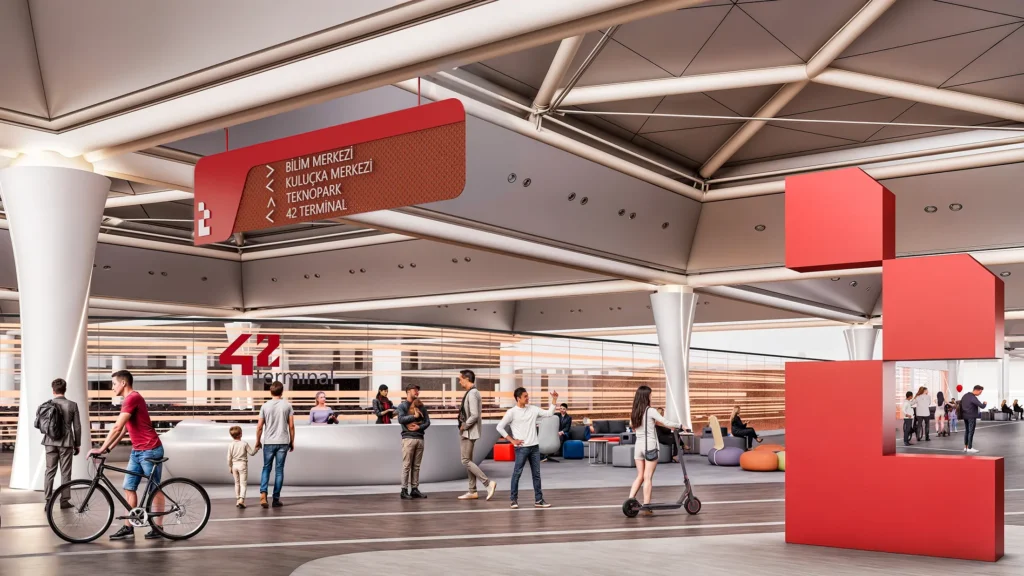
The redevelopment preserves a landmark associated with Istanbul’s aviation history while adapting it to new economic needs. Areas once designed for passenger processing and international connections will become offices, laboratories, incubation centres and collaborative workspaces.
The location also carries symbolic value. A site that previously connected passengers and destinations will now connect entrepreneurs, investment funds, universities and global technology businesses.
Technology hub targets global entrepreneurs
Terminal Istanbul is designed to support companies working in artificial intelligence, software and advanced technologies.
Planned facilities include modern offices, research and development laboratories, shared working areas, incubation programmes and startup accelerators. These services will help entrepreneurs develop products, connect with mentors and meet potential investors.
Authorities aim to create Türkiye’s largest technopark at the site. Earlier project plans outlined a 138,600-square-metre technology development area capable of accommodating approximately 2,000 technology entrepreneurs.
The expanded vision now exceeds 200,000 square metres, reflecting the project’s growing scale and strategic importance.
International accelerator programmes and investment networks are expected to participate. Cooperation with investors from Europe, the Gulf region, Asia and the United States could help Turkish startups enter global markets while encouraging foreign companies to establish operations in Istanbul.
Business travel gains a new destination
Although Terminal Istanbul is primarily an innovation project, it could produce meaningful benefits for Istanbul’s visitor economy.
Startup demonstrations, investment meetings and accelerator programmes create demand for professional travel. Large technology gatherings may also generate bookings for hotels, restaurants, local transportation and event services.
Entrepreneurs attending programmes may remain in the city for several days or weeks. Investors and corporate representatives could combine business meetings with visits to Istanbul’s cultural attractions, shopping districts and hospitality venues.
The hub may therefore broaden the city’s business tourism appeal beyond traditional exhibitions and corporate conferences.
Istanbul already offers extensive international air connectivity and a well-developed hospitality sector. Adding a major technology campus strengthens its ability to compete with established innovation destinations for international events and business travellers.
Location supports convenient city access
The former airport occupies a central position on Istanbul’s European side, providing access to business districts, residential areas and urban transport networks.
Its proximity to the Atatürk Airport National Garden adds another dimension to the redevelopment. Technology workers and visitors will be located beside a major public green space rather than within a conventional isolated industrial park.
Transport accessibility will be important as the hub grows. Entrepreneurs, international guests and event participants will need reliable links with Istanbul Airport, accommodation districts and the city’s metro and road networks.
Clear visitor guidance and coordinated transport services could help Terminal Istanbul become a practical venue for major international programmes.
Project supports Türkiye’s AI ambitions
Terminal Istanbul forms part of Türkiye’s wider strategy to become a global centre for technology entrepreneurship and artificial intelligence.
The government has positioned Istanbul as an international showcase for the country’s AI development and investment diplomacy. Terminal Istanbul is expected to become a meeting point where entrepreneurs and global investors can build partnerships.
This role may attract companies seeking access to Türkiye’s skilled workforce, growing digital economy and strategic geographic position.
The project also supports cooperation among universities, public institutions and private businesses. Bringing these organisations into a shared environment can accelerate research, product development and commercial investment.
Events could strengthen visitor demand
The Atatürk Airport site has already hosted major technology gatherings, including TEKNOFEST. Terminal Istanbul could extend this event legacy by accommodating startup showcases, exhibitions, investor forums and professional training programmes throughout the year.
Regular events would support more consistent business travel demand rather than limiting activity to a small number of annual gatherings.
However, public access will depend on individual programmes and future operating arrangements. Travellers interested in visiting should confirm event schedules, entry conditions and transport information through official announcements.
Istanbul builds a future-focused attraction
Terminal Istanbul demonstrates how former aviation infrastructure can be repurposed to support innovation, investment and urban development.
Its first 5,000-square-metre phase represents only the beginning of a much larger transformation. As more facilities open, the project could host thousands of entrepreneurs and strengthen international collaboration.
For Istanbul, the development adds a new layer to an already diverse destination. Alongside its historic landmarks, cultural attractions and international meeting venues, the city is building a technology hub designed to attract the next generation of global business travellers.
Terminal Istanbul could ultimately turn one of Türkiye’s most significant former transport gateways into a powerful centre for startups, artificial intelligence and international investment.
For more travel news like this, keep reading Global Travel Wire