Australia’s commercial marine industry is moving towards cleaner vessels, advanced technology and tourism-led growth following the 2026 Australian Commercial Marine Conference in Sydney.
The industry gathering attracted 143 participants, including commercial vessel operators, suppliers, engineers and maritime professionals from across Australia. Hosted aboard SeaLink’s M/V Starship Sydney at Darling Harbour, the conference examined the technologies and business strategies shaping future marine operations.
Electric passenger ferries, hybrid propulsion systems, vessel safety solutions and smarter onboard technologies featured prominently. The event also demonstrated how Australia’s commercial marine sector is becoming increasingly important to the visitor economy.
As travellers seek environmentally responsible coastal experiences, marine operators are under growing pressure to reduce emissions while improving comfort, reliability and service quality.
Electric passenger ferry marks major milestone
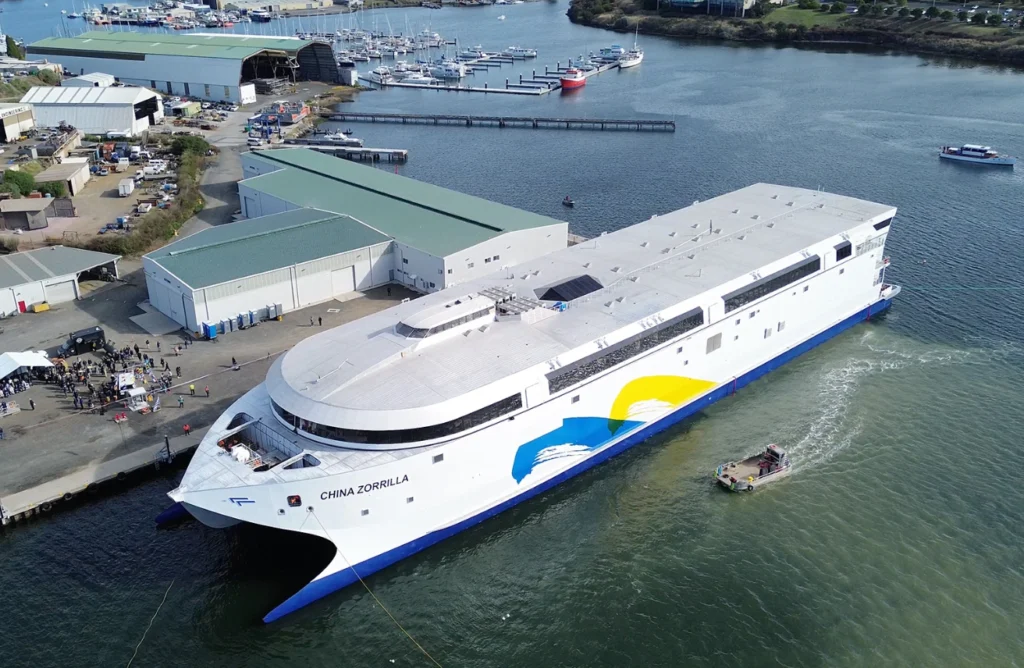
One of the most important developments presented at the conference was progress on Australia’s first locally designed, built and operated accessible electric passenger ferry.
The project represents a significant step towards cleaner marine transportation. It also shows how Australian vessel designers and operators are responding to the global transition towards low-emission mobility.
Electric ferries can create quieter journeys, reduce direct operational emissions and improve passenger comfort. These benefits are especially valuable on harbour services, sightseeing routes and journeys through environmentally sensitive coastal areas.
Quieter vessels may also improve wildlife-focused tourism experiences by reducing engine noise around marine habitats.
However, the transition to electric operations requires careful planning. Operators must consider battery capacity, charging infrastructure, vessel range, maintenance requirements and passenger schedules.
The conference provided an important platform for discussing how these challenges can be addressed through engineering, investment and collaboration.
Cleaner propulsion improves marine efficiency
Hybrid propulsion and modern marine engines were also central to the conference programme.
Hybrid systems can combine conventional engines with electric power, allowing vessels to operate more efficiently across different routes. Operators may use electric power in ports and harbours while retaining conventional propulsion for longer journeys.
This flexibility could help businesses lower fuel consumption and emissions without depending entirely on electric charging networks.
The industry is also exploring advanced vessel control, stabilisation and trim systems. These technologies can improve movement through the water, reduce resistance and support more efficient fuel use.
Improved stabilisation can create smoother journeys for passengers. This is particularly important for sightseeing cruises, island transfers, luxury charters and other tourism services where comfort directly influences visitor satisfaction.
As operating costs rise, efficient vessel systems can help businesses protect profitability while meeting changing environmental expectations.
Marine technology strengthens safety
Innovation across Australia’s marine industry extends beyond propulsion.
The conference showcased new engineering and ventilation solutions designed to improve conditions in confined and enclosed marine spaces. These systems can support safer shipyard operations, maintenance work and vessel construction.
Safety remains critical across the commercial marine sector. Operators must protect crew members, maintenance teams and passengers while ensuring vessels meet demanding operational standards.
Digital monitoring tools are also changing how businesses manage their fleets. Modern systems can track vessel performance, identify maintenance needs and help operators respond to technical problems before they cause major disruption.
Reliable operations are essential for tourism businesses. Ferry delays or mechanical problems can affect accommodation bookings, organised tours, transport connections and visitor confidence.
Smarter maintenance systems can therefore support both operational efficiency and a more dependable passenger experience.
Marine tourism supports coastal economies
Commercial marine services play an important role in connecting travellers with Australia’s harbours, islands, coastal communities and natural attractions.
Sightseeing cruises, dining experiences, luxury journeys, charter services and wildlife tours provide visitors with distinctive ways to explore the country.
These activities also generate wider economic benefits. Marine tourism supports employment in vessel operations, engineering, maintenance, hospitality and visitor services.
Coastal restaurants, hotels, attractions and local suppliers can benefit when marine operators bring more visitors into waterfront destinations and regional communities.
Demand for sustainable travel is creating additional opportunities. Travellers are increasingly interested in tourism products that minimise environmental impact while delivering authentic experiences.
Operators that invest in electric vessels, efficient technology and responsible operating practices may gain a stronger position in the tourism market.
Industry partnerships encourage innovation
Collaboration was another major theme of the 2026 conference.
A dedicated presentation platform allowed companies to introduce new products, services and technology directly to marine industry professionals. The exhibition area also showcased equipment and operational solutions supporting vessel construction, engineering and maintenance.
Networking sessions helped operators, suppliers and technology providers exchange knowledge and explore future partnerships.
These connections will become increasingly important as marine technology grows more complex. Electric and hybrid vessel projects require cooperation between builders, engineers, battery suppliers, ports, regulators and tourism businesses.
Stronger partnerships can reduce investment risks, improve technical knowledge and help the industry develop practical operating standards.
Australia charts a smarter marine future
The conference highlighted a commercial marine sector undergoing significant transformation.
Electric ferries, hybrid propulsion, digital monitoring and advanced safety systems are changing how Australian vessels are designed and operated.
At the same time, growing demand for responsible coastal travel is strengthening the relationship between marine transport and tourism.
With continued investment, stronger industry cooperation and a commitment to innovation, Australia’s commercial marine sector can reduce environmental impact while delivering better passenger experiences.
The transition could also strengthen the country’s tourism economy by creating cleaner, quieter and more efficient ways for visitors to explore Australia’s harbours, islands and coastal destinations.
For more travel news like this, keep reading Global Travel Wire