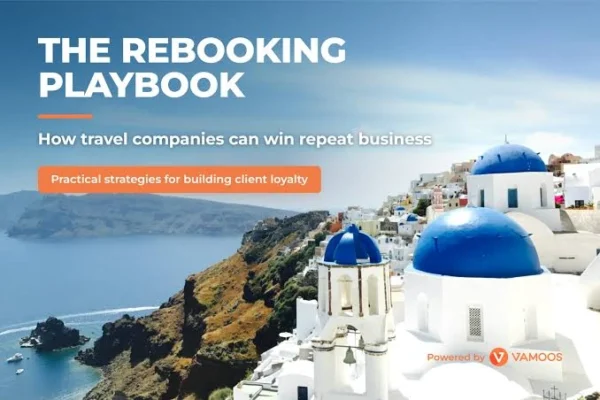
Vamoos has launched a complimentary Rebooking Playbook designed to help travel companies strengthen customer loyalty, encourage repeat bookings and build longer-lasting relationships with travellers.
The 12-page guide focuses on one of the travel industry’s most important commercial challenges: turning customers who complete one holiday into travellers who return for another booking. It provides practical strategies covering post-trip engagement, personalised communication, customer data and the timing of future travel offers.
As competition intensifies across tour operations and travel services, businesses are increasingly looking beyond individual transactions. Maintaining relationships with existing customers can support recurring revenue while reducing dependence on continuous acquisition campaigns.
The new Vamoos resource positions the period after a traveller returns home as an important opportunity for future sales.
Repeat Travellers Create Valuable Growth Opportunities
Customer retention has become increasingly important for travel businesses seeking sustainable growth.
A traveller who has already booked with a company understands its service, communication style and travel products. That existing relationship can make future engagement more straightforward than introducing a completely new customer to the brand.
The Rebooking Playbook therefore encourages businesses to view the end of a holiday as another stage of the customer journey rather than the conclusion of the relationship.
According to information presented in the guide, some travel companies have achieved rebooking rates reaching 77% through carefully designed loyalty and customer-engagement strategies.
Vamoos also highlights examples where travel companies using its technology have increased repeat bookings, demonstrating how digital engagement can continue after travellers return home.
Post-Trip Communication Takes Centre Stage
A major theme of the guide is timing.
Travel companies frequently invest heavily in communication before departure and during a holiday. However, engagement can decline rapidly once customers arrive home.
Vamoos argues that this post-trip period presents an opportunity to keep positive travel memories fresh while encouraging customers to think about their next journey.
Personal follow-ups, destination recommendations, loyalty incentives and relevant travel inspiration can maintain that connection.
Rather than immediately pushing generic promotions, companies can use information from previous trips to recommend destinations and experiences more closely aligned with individual interests.
This approach can make communications feel more helpful and less transactional.
Personalisation Could Improve Repeat Booking Potential
The playbook also emphasises the growing importance of customer information.
Travel businesses can use details such as destinations previously visited, destinations of interest, traveller type and preferred activities to create more relevant communication.
A family traveller interested in beaches may receive very different suggestions from a couple previously booking adventure holidays or a solo traveller interested in cultural experiences.
Personalisation can also reduce the amount of time customers spend searching through unsuitable travel products.
For travellers, this may create a smoother planning experience because businesses already understand some of their preferences.
For travel companies, stronger personalisation can make marketing activity more targeted while supporting deeper customer relationships.
Digital Technology Extends the Travel Journey
Travel technology is playing an increasingly prominent role in customer retention strategies.
Digital platforms allow businesses to keep trip information, customer preferences and communication channels connected throughout the traveller journey.
Vamoos provides tools intended to keep travel companies connected with customers before, during and after their trips.
These capabilities can include digital travel information, destination inspiration and notifications delivered directly to travellers.
Post-trip communication is particularly important because customers may leave a travel application installed on their devices after returning home. That creates another channel through which businesses can introduce relevant future travel opportunities.
Digital engagement therefore provides travel companies with the ability to extend the customer relationship well beyond departure and arrival dates.
Loyalty Strategies Could Improve Traveller Experience
Although the Rebooking Playbook primarily targets travel companies, stronger retention strategies can also benefit consumers.
Travellers returning to the same provider may experience more personalised planning because the company already understands their previous booking history and preferences.
Relevant recommendations can make destination discovery easier, while established relationships may improve communication throughout the booking process.
Loyal customers may also gain access to incentives, travel credits, accommodation benefits or exclusive offers where individual companies operate loyalty programmes.
However, successful retention will depend on maintaining relevance. Excessive promotional messages could undermine customer relationships, while timely and personalised communication can provide genuine value.
Travel Businesses Look Beyond One-Time Sales
The launch reflects a wider shift toward relationship-driven travel marketing.
Rising competition across travel distribution means companies must balance customer acquisition with strategies designed to retain travellers they have already served.
That creates opportunities for tour operators, specialist agencies and travel businesses capable of providing consistently strong experiences and maintaining useful communication after each journey.
A successful trip can establish trust. Strategic post-trip engagement can then transform that trust into another booking.
Vamoos Targets Long-Term Travel Business Growth
The free Rebooking Playbook gives travel companies a structured framework for turning completed trips into future commercial opportunities.
Its focus on customer data, timing, personalisation and ongoing digital engagement reflects the growing importance of loyalty within the international travel sector.
As travellers gain access to more booking channels and competing offers, maintaining established customer relationships could become increasingly valuable.
For travel businesses, the objective is shifting from simply completing a successful booking to developing a customer relationship capable of supporting many future journeys.
For more travel news like this, keep reading Global Travel Wire