Unprecedented Capital Inflow Drives Worldwide Travel Infrastructure Transformation
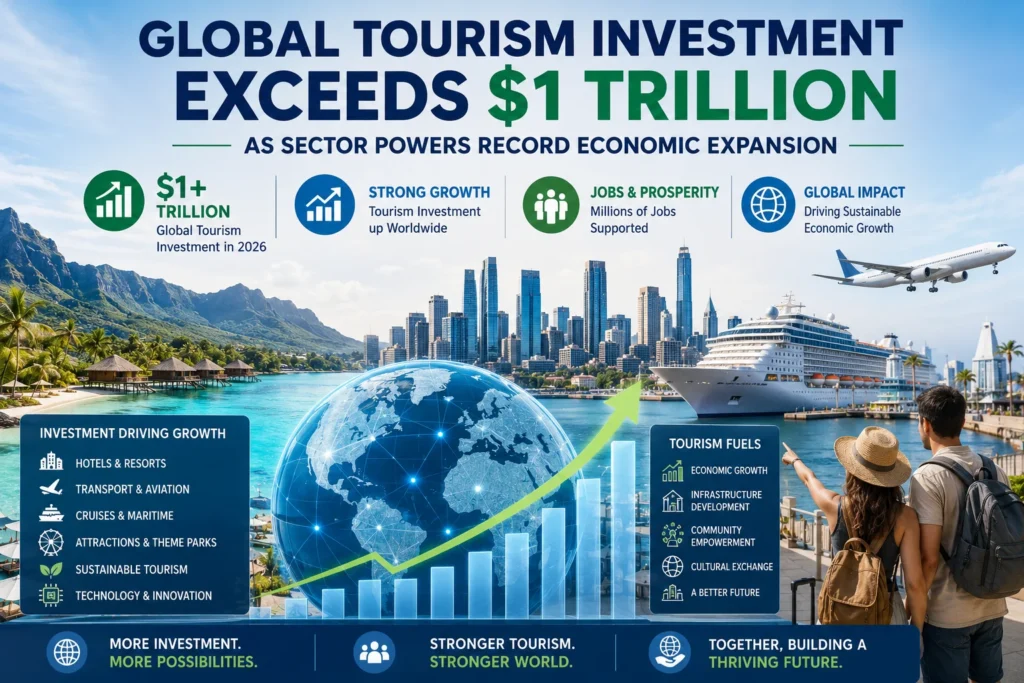
Global tourism investment surpassed $1 trillion, reflecting an 8.5% year-on-year increase and signaling a massive vote of confidence in the long-term future of the sector. According to official findings from the World Travel & Tourism Council’s Economic Impact Research Global Trends Report, the travel and tourism industry generated a historic $11.6 trillion contribution to global gross domestic product (GDP), outperforming the general global economic growth rate.
This surging capital investment reflects a deliberate shift by governments, regional tourism boards, and private sector leaders to modernize airport capacity, expand hospitality infrastructure, and build long-term destination resilience. Public tourism authorities and international trade bodies emphasize that sustainable financial backing, strategic infrastructure policies, and streamlined travel facilitation are accelerating global tourism investment growth while expanding domestic and international connectivity.
The historic capital allocation underscores how infrastructure investments directly stimulate broader economic ecosystems, creating millions of jobs, expanding retail and transportation networks, and boosting confidence across adjacent financial and service industries.
Four Key Nations Account for Half of Global Tourism Investments
A substantial share of the new capital allocation is concentrated in major global markets. The United States, China, India, and Saudi Arabia collectively accounted for nearly $500 billion—representing almost half of all travel and tourism capital investment recorded worldwide last year.
Each of these key economies is expanding its investment pipeline through a combination of large-scale transport projects, targeted destination development, and proactive government initiatives aimed at attracting private capital:
United States: Strong domestic traveler demand, extensive airport modernizations, and major upcoming international sporting spectacles—including the FIFA World Cup 2026 and the Los Angeles 2028 Olympic Games—are mobilizing massive infrastructure upgrades across host cities.
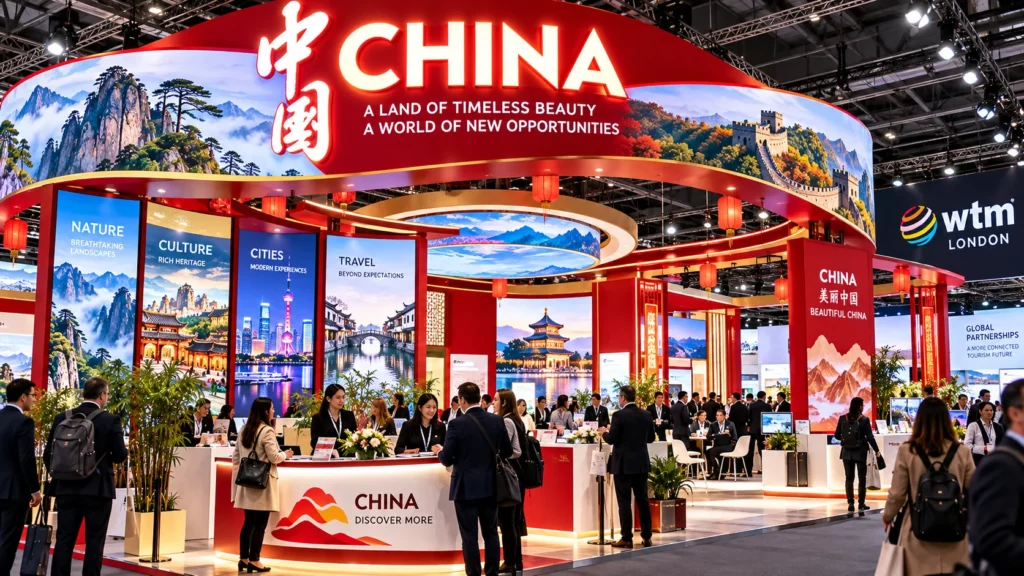
China: Guided by long-term national development plans and strategic Five-Year policy frameworks, public authorities are directing extensive funding toward cultural preservation, domestic transport networks, and eco-tourism zones to establish the country as a global tourism powerhouse.
India: Rapidly expanding air connectivity, regional airport developments under national civil aviation schemes, and destination enhancement programs are generating strong capital inflows supported by an open investment climate.
Saudi Arabia: Through its Vision 2030 national transformation program, the Kingdom is orchestrating one of the world’s fastest-growing tourism investment programs, channeling public wealth fund resources and private development capital into giga-projects along the Red Sea coast and historical heritage corridors.
Europe Demonstrates Sustainable Development and Economic Integration
Beyond the four largest investment drivers, European destinations are demonstrating how targeted policy backing yields high economic returns. Official tourism statistics highlight Spain as a prime example of successful sector integration, where travel and tourism contribute 15.3% of national GDP and support approximately one out of every seven jobs across the country.
Spain’s national tourism strategies prioritize digital modernization, sustainable destination management, and transport decarbonization. Public funding programs aimed at upgrading regional visitor hubs, heritage site conservation, and smart tourism technology adoption ensure that high visitor volumes translate into balanced, long-term economic benefits for local communities.
Similar public-private initiatives across Southern and Western Europe demonstrate that modernizing existing cultural landmarks and integrating smart transit systems can maintain destination competitiveness while meeting rigorous environmental targets.
Strengthening International Connectivity and Long-Term Job Creation
The record capital infusion is significantly expanding destination capacity while addressing long-term employment needs. Global industry data indicates that travel and tourism supported approximately 366 million jobs globally, accounting for one in every nine jobs worldwide and generating one out of every three new jobs created across global markets.
Increased funding for international aviation gateways, high-speed rail networks, and port infrastructure is directly improving visitor access to emerging regions. As international visitor spending surpassed $2 trillion and domestic travel spending reached $5.63 trillion, public tourism boards are aligning regional promotional campaigns with new infrastructure capabilities to capture high-value leisure and corporate travelers.
Furthermore, expanding transport networks and hospitality supply chains have created fresh opportunities for corporate travel managers, event organizers, and cross-border service providers, strengthening overall economic resilience.
Long-Term Outlook: Strategic Investment as the Driver of Future Growth
Official projections indicate that global travel and tourism contribution to the global economy could reach $17.1 trillion over the next decade, adding nearly 89 million new jobs worldwide. Achieving these milestones requires continuous cooperation between public ministries, regional destination marketing organizations, and institutional investors.
As public leadership continues to prioritize tourism infrastructure expansion, streamline visa facilitation policies, and invest in sustainable travel technologies, capital investments will remain the foundational engine driving destination competitiveness. Industry leadership reaffirms that strategic investment and sustained economic growth remain inextricably linked, ensuring travel and tourism continues to serve as a vital pillar of global prosperity.
For more travel news like this, keep reading Global Travel Wire