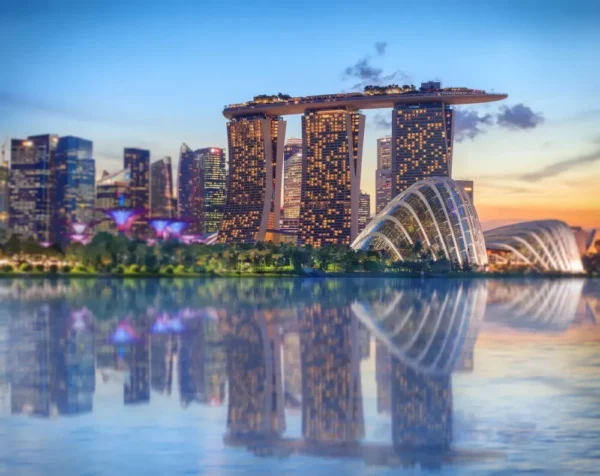
Singapore is accelerating its transition toward smart tourism through a renewed three-year partnership between the Singapore Tourism Board and Agoda, bringing artificial intelligence, data insights and digital innovation deeper into the visitor journey.
The expanded collaboration was announced on August 14, 2026, building on cooperation established in 2022 and strengthened through subsequent initiatives. The latest agreement moves beyond conventional destination promotion by placing technology, data and tourism industry development at the centre of Singapore’s growth strategy.
Four areas will guide the partnership: joint destination marketing, data strategy and insights, innovation and industry thought leadership, and technology collaboration involving artificial intelligence.
The direction complements Singapore’s Tourism 2040 roadmap, which focuses on quality tourism growth, stronger visitor experiences and maintaining the city-state’s competitiveness as traveller expectations change.
AI could make Singapore journeys more personal
Artificial intelligence is expected to become increasingly important at the destination-discovery and planning stages.
Digital platforms can analyse traveller interests and search behaviour to present more relevant accommodation, attractions and experiences. This could help families, business travellers, couples and independent visitors build itineraries that better reflect their individual priorities.
A traveller interested in food, for example, could discover dining districts and cultural experiences alongside accommodation recommendations. Families could identify attractions suited to children, while business visitors could place greater emphasis on convenient transport connections and suitable hotels.
Such personalisation can reduce the amount of time visitors spend searching across multiple services.
For Singapore’s tourism businesses, greater personalisation can also improve visibility for experiences beyond internationally recognised landmarks, potentially directing visitors toward neighbourhoods, restaurants and attractions that match their interests.
Data becomes central to tourism strategy
The Agoda partnership also demonstrates Singapore’s growing emphasis on data-driven tourism management.
Digital travel platforms generate insights into search activity, booking behaviour and changing consumer preferences. Used effectively, such information can help destination authorities understand where future demand may emerge.
This knowledge can support marketing decisions and help tourism businesses respond more quickly to shifts in visitor expectations.
Singapore Tourism Board’s wider marketing strategy already places importance on consumer insights, storytelling and longer-term strategic partnerships. The Agoda collaboration brings another layer by combining destination expertise with a major digital travel ecosystem.
Rather than relying only on broad demographic marketing, tourism promotion can become more targeted and responsive to actual traveller interests.
Tourism 2040 supports technology-led growth
Singapore’s Tourism 2040 strategy provides the longer-term framework for this transformation.
The roadmap aims to strengthen Singapore as a world-class destination while pursuing sustainable growth in an increasingly competitive tourism environment. Singapore Tourism Board projects annual tourism receipts could reach between S$47 billion and S$50 billion by 2040.
Technology is expected to play an important role in achieving that ambition.
Singapore has already been developing tourism industry capabilities in digitalisation, innovation and artificial intelligence. Its tourism workforce strategy increasingly recognises digital and AI literacy as important future skills.
The partnership with Agoda can reinforce that direction through industry capability programmes focused on areas such as data analysis, technology adoption and the development of new digital visitor experiences.
Digital tools simplify travel around Singapore
For visitors, Singapore already provides an environment suited to digitally enabled travel.
Contactless payment systems make public transportation easier to navigate, while digital mapping and mobile services support movement between hotels, attractions, shopping districts and dining areas.
Future AI-enabled travel tools could make these systems feel even more connected.
Instead of travellers independently comparing accommodation, transport options and activities, smart platforms could increasingly combine these elements into more relevant recommendations throughout a trip.
This could be particularly valuable in Singapore, where visitors can move quickly between very different experiences, from Marina Bay and Orchard Road to heritage neighbourhoods, hawker culture and green recreational areas.
Technology can support quality tourism
Smart tourism is not simply about encouraging more visitors.
Singapore’s long-term tourism strategy places emphasis on quality growth and creating experiences that benefit visitors, businesses and the wider destination.
Digital information can help tourism operators understand demand more precisely. It could also encourage visitors to discover different attractions rather than concentrating exclusively on established tourism zones.
Better data may support smarter visitor-flow management, while personalised discovery can connect travellers with cultural businesses, restaurants and experiences that align with their preferences.
Technology therefore becomes a tool for distributing tourism value more effectively across the destination.
Singapore positions itself for the next travel era
The renewed Agoda-Singapore Tourism Board partnership represents a significant evolution from traditional destination marketing.
Marketing remains important, but AI, industry skills, data and technology collaboration are increasingly shaping how Singapore attracts and serves visitors.
For travellers, the transformation could mean faster planning, more personalised recommendations and easier discovery of relevant experiences.
For hotels, attractions and tourism businesses, smarter digital tools can provide better insights into changing demand and new opportunities to reach international visitors.
By connecting artificial intelligence with its Tourism 2040 ambitions, Singapore is building a tourism model designed around both human experiences and digital intelligence.
The result positions the city-state for a new era of travel in which technology does not replace destination discovery but makes it more personal, efficient and meaningful.
For more travel news like this, keep reading Global Travel Wire