Travel to Dubai and the wider Middle East remains unpredictable as airlines continue adjusting schedules amid renewed regional tensions. For travelers flying through Dubai International Airport, Abu Dhabi, Doha, Bahrain or other Gulf hubs, the latest Middle East flight disruptions mean cancellations, longer journeys and last-minute schedule changes remain possible even as several airspaces have reopened.
The situation is especially important for India-Dubai flights and international travelers transiting through the Gulf, with airlines operating reduced schedules on some routes and rerouting aircraft around affected airspace. Dubai International Airport has experienced delays following renewed security concerns, while carriers continue to review operations as the situation develops.
Dubai Flights Face Fresh Disruptions
The latest disruption follows renewed tensions in the region. On August 18, the UAE issued its first missile alert since July after two Iranian ballistic missiles were fired toward its territory, with both reportedly landing offshore. The incident resulted in several delays at Dubai International Airport, which continued into August 19 as airlines reassessed their schedules.
The broader conflict has increasingly centred on the Strait of Hormuz, while diplomatic efforts remain uncertain. Qatar, Oman, Kuwait, Bahrain and the UAE, along with Jordan, have faced missile or drone attacks since an earlier ceasefire broke down, contributing to continued flight cancellations and operational uncertainty across the region.
For tourists, the biggest concern is that flight schedules can change quickly. Even when an airport remains open, airlines may reduce frequencies, reroute aircraft or cancel particular services based on security assessments and airspace restrictions.
UAE Airspace Remains Open but Travelers Should Stay Alert
The UAE has announced a full resumption of air traffic following an assessment of operational and security conditions. Authorities said that real-time monitoring remains in place, while airlines continue operating according to their individual schedules.
This means Dubai remains accessible to travelers, but passengers should not assume that an airport being open guarantees normal operations. Some international airlines continue to suspend services to Dubai and other Gulf destinations, while regional carriers have restored a greater proportion of their networks.
The European Union Aviation Safety Agency has also renewed its conflict-zone advisory, recommending that airlines avoid airspace over the UAE, Bahrain, Kuwait, Oman and Qatar until August 31. The advisory cites the potential risks associated with missiles, drones, military aircraft and air-defense systems.
Emirates Restores Most of Its Network
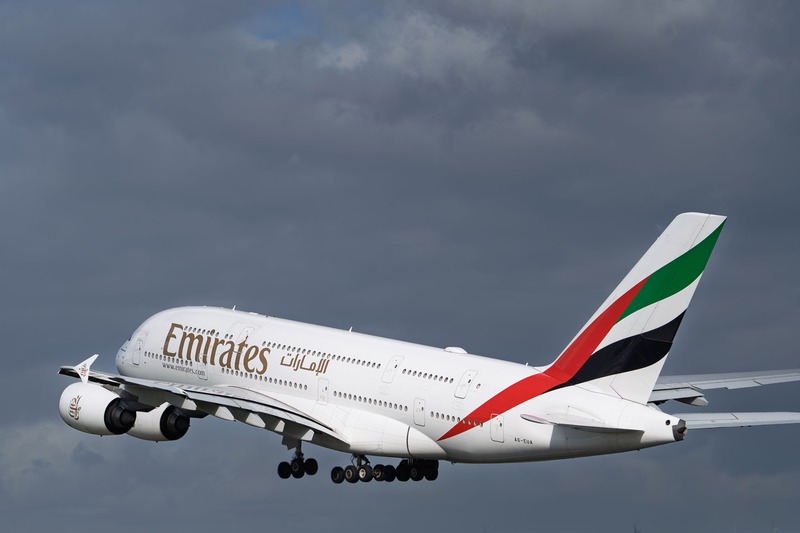
Emirates remains one of the major carriers operating through Dubai. The airline is currently flying to 140 destinations across 72 countries, representing about 97% of its previous global network, with more than 1,300 flights operating each week. However, this is still around 75% of its pre-war capacity.
The airline has also restored one daily service to Bahrain, while its Kuwait operations remain affected. Emirates is advising passengers to check their flight status even after checking in because schedules remain subject to change.
For customers with eligible bookings, Emirates is allowing flight-date changes without fees. The airline is also offering travel insurance covering certain conflict-related expenses, along with other support measures for affected passengers.
Etihad, Qatar Airways and Flydubai Continue Limited Operations
Etihad Airways is operating flights to more than 90 destinations, although services to Kuwait and Bahrain remain reduced. The airline is advising passengers to keep their contact details updated so they can receive operational notifications.
Qatar Airways is operating multiple daily flights to Dubai and has resumed services to Bahrain, Kuwait and Erbil, although delays remain possible. The airline says its network now covers more than 160 destinations, approximately 85% of its pre-war network.
Flydubai is also operating across its network with a reduced schedule. Some services to Saudi Arabia, Kuwait and Bahrain remain vulnerable to short-notice changes, while rerouted flight paths can increase travel and transit times through Dubai.
What Indian Travelers Need to Know
The disruption is particularly relevant to Indian passengers because Dubai, Abu Dhabi and Doha serve as major gateways between India, Europe, North America and other international destinations.
Air India and Air India Express have restored their full GCC network, including Kuwait and Salalah in Oman. Together, the airlines are operating around 780 weekly flights between India and the region, although Air India warns that Middle East travel can still be affected by regional airspace closures.
IndiGo is operating selected flights to and from the Middle East and says flight movements are being closely monitored. Passengers should therefore check their individual flight status before leaving for the airport rather than relying solely on a previously issued itinerary.
Major International Airlines Continue Suspensions
While Gulf-based airlines have restored significant portions of their networks, several international carriers continue to suspend or reduce Middle East services.
British Airways, for example, has suspended flights to Dubai, Doha, Abu Dhabi and Tel Aviv. Its planned Dubai service will return in October at a reduced frequency of one daily flight each way, compared with three previously.
Air Canada has extended its Dubai and Tel Aviv suspensions into 2027, while KLM has cancelled flights to Dubai, Riyadh and Dammam until October 25. Lufthansa has also paused its Dubai service until at least September 13. Cathay Pacific, ITA Airways, Singapore Airlines and other international carriers have similarly extended some suspensions.
Travelers Should Prepare for Delays and Rerouting
Even passengers whose flights are operating should be prepared for longer journeys. Rerouting around restricted airspace can increase flight times and transit periods, while some low-cost carriers may require unexpected technical or refuelling stops.
Airlines are offering different combinations of refunds, rebooking and date-change options, but the conditions vary considerably by carrier and ticket type.
Travelers heading to Dubai or connecting through the Gulf should check their airline’s website or app immediately before departure, allow additional time at the airport and keep their contact information updated.
To conclude,
For travelers, the current Dubai flight disruption is less about a complete shutdown and more about an aviation network operating under constant adjustment. Dubai’s airports remain open, major regional airlines are flying again and many international routes are functioning, but the security situation means schedules can still change with little warning.
For Indian and international travelers, the safest approach is to remain flexible. Checking flight status before leaving for the airport, allowing extra time for connections and understanding the airline’s rebooking policy can make an uncertain journey easier to manage. Until regional tensions ease further, Dubai travel and Middle East flights are likely to remain closely tied to developments on the ground and in the region’s airspace.