The United States has expanded economic pressure on Cuba through new sanctions targeting state-linked organisations and individuals, creating fresh uncertainty for tourism investment, infrastructure development and international business activity across the Caribbean nation.
The latest measures include restrictions affecting Cuban state-owned enterprises connected with strategic economic sectors, alongside individuals and organisations linked to the government. The broader sanctions framework introduced by Washington in 2026 also covers areas including metals and mining, energy, financial services, security and defence-related activities.
Although the measures do not amount to a general prohibition on international tourists visiting Cuba, they could have wider consequences for the country’s travel economy. Tourism relies heavily on construction, transportation, financial services, reliable infrastructure and access to international investment.
That makes developments in sectors outside traditional hospitality increasingly important for airlines, hotels, tour operators and overseas businesses assessing opportunities in Cuba.
Mining and industrial sectors face greater restrictions
Mining and metals form an important part of Cuba’s industrial economy, with the country holding significant nickel and cobalt resources.
New U.S. sanctions introduced during 2026 have targeted entities operating within Cuba’s state-linked economic network. Official U.S. measures have included Minera La Victoria, a Cuban company involved in non-ferrous metal mining, among designated entities.
Washington’s expanded sanctions framework allows restrictions against foreign persons operating in identified Cuban economic sectors or supporting sanctioned organisations.
However, operating in one of these sectors does not automatically mean every company is sanctioned. Individual entities must fall within the applicable designation criteria.
For Cuba, greater restrictions involving major industrial sectors can have wider consequences because mining, transportation, construction, financing and logistics are closely interconnected.
Construction pressures could reach tourism development
The construction industry has particular importance for Cuba’s tourism sector.
Hotels, resorts, airports, visitor facilities, roads and supporting infrastructure require continuous investment, maintenance and access to equipment and building materials.
Any deterioration in the operating environment for state-linked construction or industrial businesses could therefore complicate future tourism projects.
Cuba’s accommodation sector has expanded significantly over previous decades as the country sought to strengthen its position within Caribbean tourism. Continued growth depends not only on visitor demand but also on investment confidence and the ability to maintain tourism infrastructure.
Economic restrictions affecting financial relationships or suppliers can consequently influence projects even when the tourism business itself is not directly sanctioned.
International hospitality companies and investors may also need to undertake additional due diligence when dealing with Cuban organisations connected to sanctioned state entities.
Tourism organisations enter tighter sanctions environment
The impact on tourism became more direct during 2026 when U.S. authorities added Cuba’s Ministry of Tourism to the sanctions framework.
Official measures have also targeted major state organisations and commercial networks with extensive connections across the Cuban economy.
This development increases the importance of compliance checks for international companies working with government-linked businesses.
U.S. sanctions rules already place significant restrictions on transactions involving Cuba. The new framework operates alongside the longstanding Cuban Assets Control Regulations rather than replacing them.
Certain travel and other activities remain authorised when they meet existing regulatory requirements, but businesses must continue complying with applicable conditions.
For the international tourism industry, that creates a more complex operating environment rather than a straightforward shutdown of travel.
Cuba retains strong international tourism appeal
Despite increasing economic pressure, Cuba continues to offer considerable tourism appeal.
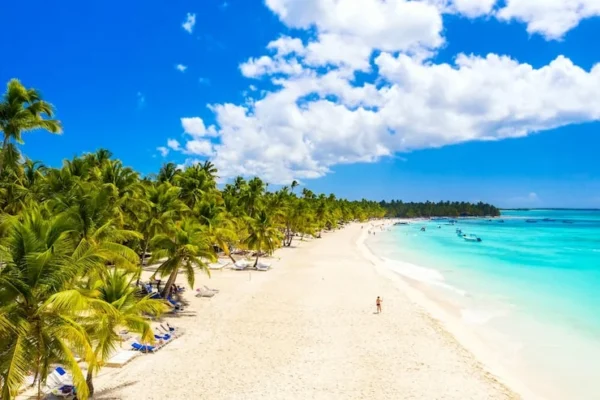
Havana’s historic architecture, Caribbean beaches, music, cultural traditions and heritage destinations remain central to the country’s international identity.
Varadero, Havana, Trinidad and Cuba’s coastal resort areas have traditionally supported significant visitor activity, while tourism provides employment and valuable foreign currency to the economy.
However, sustained tourism recovery requires dependable electricity, transportation, food supplies, accommodation standards and functioning public infrastructure.
Cuba has already faced economic difficulties involving energy supplies and electricity availability. Additional restrictions on state-linked businesses could make investment and operational planning more challenging.
Hotels and tourism operators therefore have reason to watch developments beyond the hospitality industry itself.
Foreign tourism businesses face greater complexity
International businesses operating in Cuba may increasingly need to examine corporate ownership structures before entering transactions.
U.S. authorities have warned that sanctions exposure can extend to companies owned 50% or more by blocked Cuban entities. Non-U.S. businesses with connections to the American financial system may therefore face additional compliance considerations.
This could influence hotel development, transportation partnerships, procurement arrangements and other projects supporting visitor services.
The effects will depend heavily on individual business structures and the implementation of sanctions.
Tourism impact will depend on Cuba’s economic response
The expanding sanctions environment represents another period of uncertainty for Cuba’s tourism economy.
Travellers are not the central target of the latest industrial restrictions. Nevertheless, economic measures affecting construction, mining, transportation, finance and government-linked organisations can eventually influence the infrastructure supporting visitor experiences.
Cuba retains major tourism assets and a distinctive Caribbean identity. Yet its ability to translate those strengths into sustained visitor growth will increasingly depend on infrastructure reliability, international investment and the country’s response to tightening economic restrictions.
For airlines, hotel groups and tourism investors, developments in U.S.–Cuba relations will therefore remain an important factor shaping future travel opportunities and tourism development.
For more travel news like this, keep reading Global Travel Wire