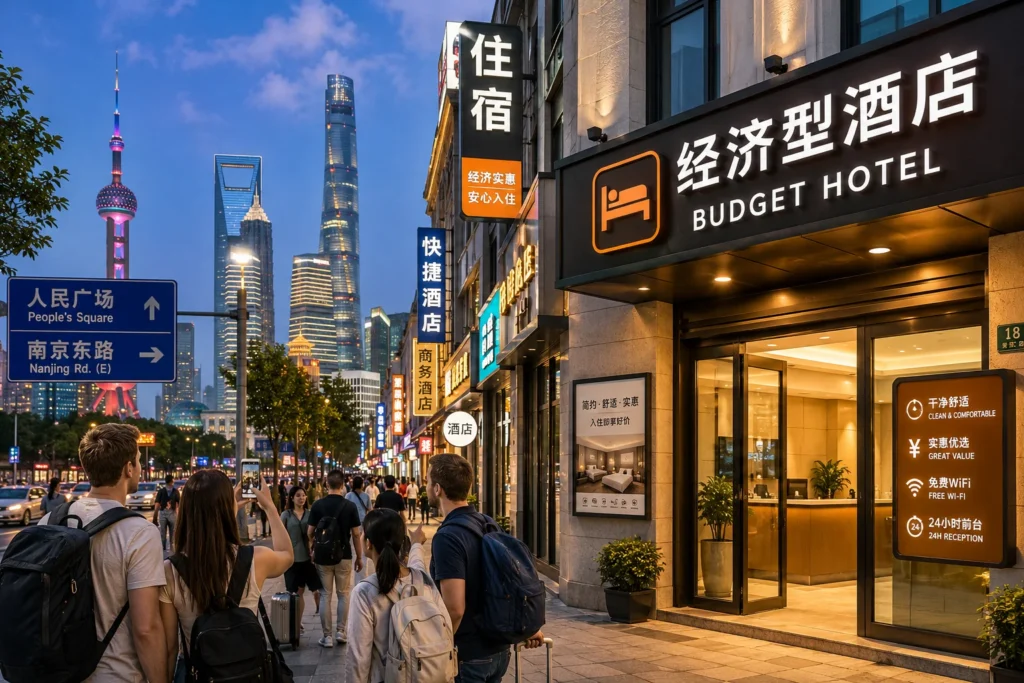
Front desk operations at midscale budget hotels across China are increasingly resembling global transportation hubs. Front-line hotel managers in key destinations report serving non-domestic guests from the United States, Russia, Kazakhstan, South Korea, Central Asia, and several European nations on a daily basis. Driven by expanded visa-free entry policies and structural modernization, mass-market accommodations are taking center stage in China’s evolving international travel economy.
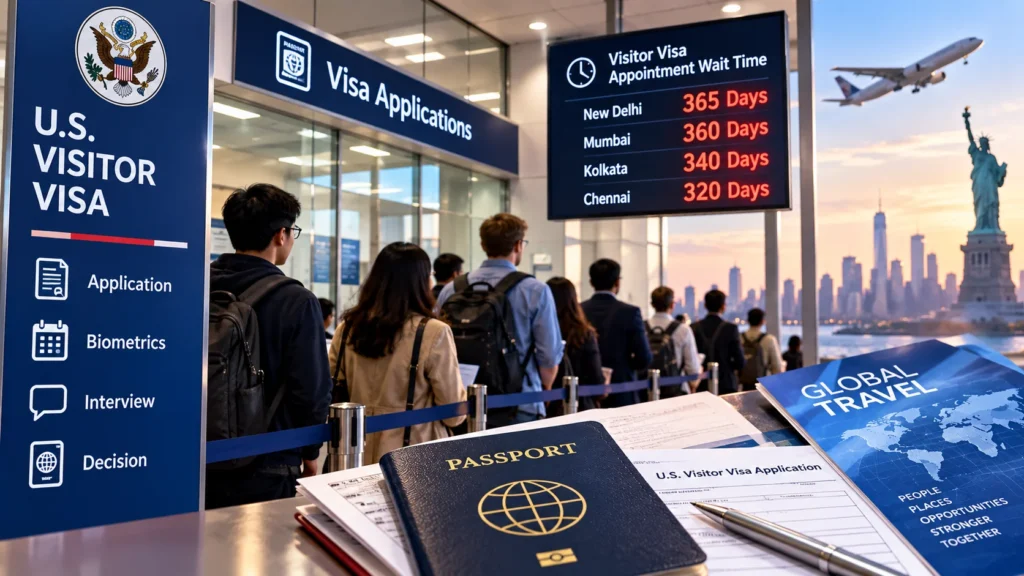
Official public data underscores the scale of this momentum. Figures released by the Ministry of Culture and Tourism indicate that total annual inbound visitor trips to China surpassed 150 million. Data published by the National Immigration Administration highlights that foreign national entries increased by more than 26 percent year on year, supported heavily by visa-free entry framework extensions that covered over 70 percent of foreign arrivals. While traditional group tours previously dominated non-domestic travel statistics, public sector indicators show a structural shift toward independent foreign travelers seeking direct, regional, and value-focused lodging options.
Evolving Consumer Profiles and Geographic Distribution
In established cultural and scenic hubs like Zhangjiajie, localized lodging trends demonstrate a notable change in demographic composition. Hotel operators located near major scenic entrances note that non-domestic visitors now represent nearly half of total property occupancy. Unlike past travel patterns characterized largely by organized regional tour groups, independent travelers now form the majority of arrivals. Visitors from countries such as Russia are extending their average lengths of stay to three to five nights, utilizing budget-friendly lodging to explore natural sights autonomously.
A similar trend is unfolding across primary urban centers. In Beijing, midscale budget properties operating near central landmarks like Tiananmen Square report foreign occupancy rates reaching between 60 percent and 70 percent during peak quarters. To cater to this shift, property management teams have modified operational offerings, expanding international breakfast items, sweet pastries, and bilingual service capabilities.
Beyond top-tier tourism hubs, budget hotel demand is expanding into secondary cities with strong commercial infrastructure. Coastal municipalities and trading ports, including Xiamen, are capturing substantial cross-border flows from Hong Kong, Macao, and Taiwan. Regional centers such as Weihai, positioned near East Asian transit routes, are likewise experiencing elevated foreign visitor check-in volumes. Properties located adjacent to international transit nodes and commercial zones are benefiting directly as cost-conscious global travelers prioritize convenience, logistics, and transparent pricing.
Digital Infrastructure Reshaping Visitor Experiences
The migration of international visitors toward domestic budget hotels exposes foreign travelers to the technological and operational frameworks built by China’s hospitality industry over the past decade. Operational features long integrated into mass-market Chinese lodging—such as automated robot delivery systems, contactless self-service kiosks, rapid front-desk check-in, free self-service laundry facilities, and high-speed local wireless networks—are offering international guests novel service experiences.
The integration of national digital payment infrastructure has significantly reduced friction for non-domestic visitors staying in mainstream accommodations. Public disclosures from the Ministry of Culture and Tourism show that international visitors spent approximately 80 billion yuan using mobile payment platforms within a single year. Initiatives led by public authorities to link foreign bank cards directly to domestic digital payment systems have enabled international travelers to navigate everyday transactions, dining, and hotel bookings with unprecedented ease.
These operational efficiencies are generating widespread organic visibility. International guests frequently document their everyday hotel experiences on global platforms, highlighting fast service turnarounds and automated amenities as standout elements of their journeys.
Economic Factors Accelerating Value Lodging Demand
The ongoing expansion of the budget hotel market occurs against a backdrop of shifting global travel habits. In an environment marked by shifting macroeconomic conditions and heightened cost sensitivity, international independent travelers are scrutinizing accommodation expenses. Midscale and budget chains present an attractive value proposition, offering clean, secure, highly digitized environments at accessible price points.
This alignment of market conditions has elevated domestic budget hotels into a primary contact point for foreign visitors exploring China. As the broader travel sector continues to modernize, the combination of visa facilitation, digitized infrastructure, and competitive pricing is expected to sustain international demand across China’s mass-market hospitality landscape.
For more travel news like this, keep reading Global Travel Wire