Global technology design firm Shen Milsom & Wilke has formally marked 40 years of continuous operation, highlighting four decades of architectural innovation, multidisciplinary engineering, and destination infrastructure consulting. Founded in 1986, the organization has played a pivotal role in designing integrated technological ecosystems for essential environments worldwide. The firm’s project portfolio encompasses international airport terminals, luxury hospitality resorts, cultural institutions, healthcare centers, higher education campuses, and corporate headquarters.
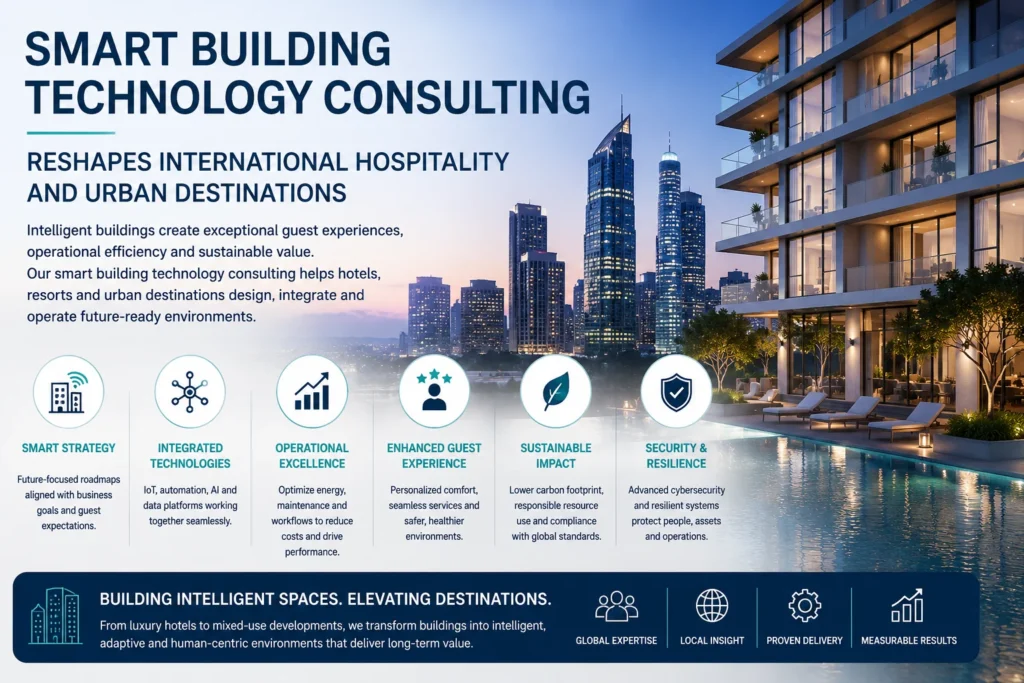
As destination infrastructure becomes increasingly digitalized, smart building technology consulting has emerged as a cornerstone of modern travel, tourism, and hospitality development. Today’s travelers and international visitors expect frictionless, connected, and personalized experiences from the moment they land at an airport terminal to their stay at a luxury resort. By integrating advanced infrastructure design into the early stages of architectural planning, destination operators can deliver intelligent environments that adapt dynamically to visitor needs.
The integration of smart technology across global tourism infrastructure addresses evolving expectations around safety, connectivity, and environmental sustainability. Across modern airports and transportation hubs, advanced acoustic engineering, public address systems, digital wayfinding, and integrated physical security networks streamline passenger flow and reduce transit friction. In cultural venues such as museums, performing arts centers, and historic heritage sites, immersive audiovisual design and interactive display systems elevate visitor engagement, allowing destinations to showcase cultural heritage through dynamic storytelling.
Within the luxury hotel and resort sector, the demand for integrated smart building solutions continues to accelerate rapidly. Modern hospitality properties rely on sophisticated technology networks to manage guest room automation, touchless check-in systems, high-speed digital infrastructure, and acoustic privacy. Intelligent building systems allow resort operators to monitor energy consumption, optimize climate controls, and automate lighting in real time, significantly reducing operational costs while advancing environmental sustainability goals established by regional tourism boards.
Multidisciplinary consulting practices bring together specialized expertise across five core disciplines: acoustic design, audiovisual systems, information technology infrastructure, physical security, and specialized medical equipment planning. As smart cities and tourism districts develop globally, the launch of dedicated smart building practices focuses on creating fully connected campuses and resort communities. These integrated systems utilize Internet of Things sensors, unified communications networks, and data analytics platforms to improve building operations and enhance guest comfort.
Official tourism board reports and urban development plans indicate that international travel destinations are increasingly prioritizing resilient digital infrastructure to maintain market competitiveness. The emergence of artificial intelligence, high-density wireless networks, and smart energy grids is transforming how travel destinations are planned, operated, and experienced. Integrated technology planning ensures that new hospitality developments and public tourism infrastructure remain scalable, resilient, and prepared to adopt future technological advancements.
By bridging the gap between physical architecture and digital innovation, technical consulting practices empower hotel developers, airport authorities, and municipal planning agencies to build intelligent environments. As global tourism volumes expand, the ongoing integration of human-centered technology will remain essential to shaping high-trust, safe, and memorable experiences for international travelers exploring world-class destinations.
For more travel news like this, keep reading Global Travel Wire