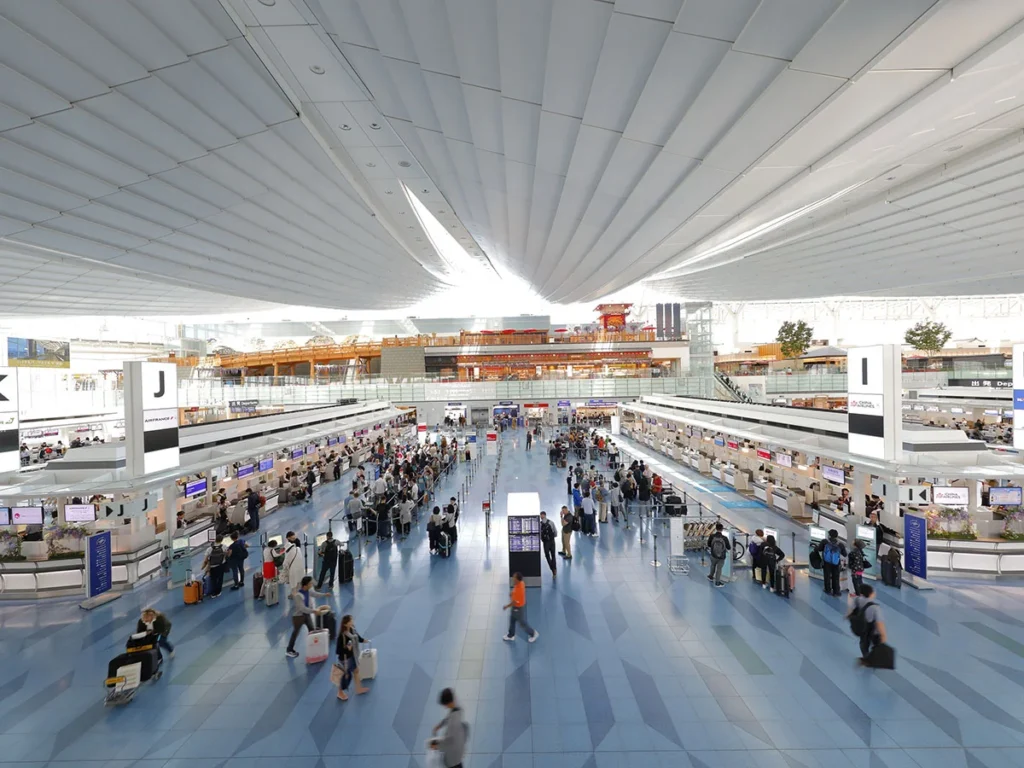
Tokyo Haneda Airport has unveiled a major six-gate satellite facility ahead of its scheduled September 1, 2026, opening, strengthening one of Japan’s most important tourism gateways.
The North Satellite Facility expands Terminal 1 and represents its first large-scale addition since the terminal began operating in September 1993.
Japan Airport Terminal developed the facility to accommodate future aviation demand while improving passenger comfort and movement. The opening comes as Haneda manages record traffic and Japan pursues its goal of welcoming 60 million international visitors annually by 2030.
Although Terminal 1 primarily handles domestic services, its expansion matters to international tourism. Overseas visitors frequently connect at Haneda to destinations across Japan, distributing tourism demand beyond Tokyo.
Six additional boarding gates will help the airport manage domestic flights and transfer traffic more efficiently. However, the longer distances involved will require passengers to plan their airport journeys carefully.
Timber construction reduces environmental impact
The North Satellite uses a hybrid structure combining steel with approximately 1,800 cubic metres of domestically sourced timber.
Japanese cedar, larch, oak and cherry birch feature within the building. The timber-based approach reduced construction-related carbon dioxide emissions by approximately 2,630 tonnes.
Solar power systems are expected to generate about 530,000 kilowatt-hours annually. This output could provide around 80% of the facility’s electricity consumption.
The design demonstrates how airport capacity expansion can incorporate lower-impact construction methods. Aviation infrastructure usually requires significant quantities of carbon-intensive materials, making the use of domestic timber particularly notable.
Environmental performance is becoming increasingly relevant to travellers, airlines and tourism policymakers. Japan must expand access while managing the ecological pressure associated with record visitor numbers.
New amenities target passenger comfort
The satellite includes passenger facilities designed for families, business travellers and leisure visitors.
A children’s area will provide younger travellers with space during waiting periods. Meanwhile, a new lounge near Gate 26 will combine seating, refreshments and a rest area.
Autonomous mobility vehicles will also operate inside the expanded terminal. The free compact vehicles can carry up to four people, helping passengers move through the larger boarding area.
This service could be particularly valuable for older travellers, families and passengers who find long airport walking distances difficult.
The additions show that airport growth now involves more than installing gates. Travellers increasingly expect intuitive navigation, accessible mobility, comfortable waiting areas and digital support throughout the journey.
Baggage deadline changes from September
Passengers using domestic flights from Haneda must prepare for an important procedural change when the satellite opens.
From September 1, checked baggage acceptance for domestic departures will close 30 minutes before the scheduled flight time. The previous deadline was 20 minutes before departure.
The change will apply across seven airlines operating domestic services at Haneda: Japan Airlines, Japan Transocean Air, All Nippon Airways, Skymark, StarFlyer, AIRDO and Solaseed Air.
Passengers should not treat the 30-minute limit as a recommended airport arrival time. Travellers still need sufficient time for check-in, baggage processing, security screening and movement to their gate.
International visitors connecting to domestic flights should build a generous buffer into their itineraries. They may need to complete immigration, collect baggage, clear customs and check luggage again before continuing within Japan.
Separate tickets can create additional risk because missed-connection protection may not apply across independent bookings.
Record traffic places pressure on operations
Haneda handled more than 90 million passengers during 2025, crossing that annual threshold for the first time.
Aircraft movements reached approximately 490,000 take-offs and landings, placing operations close to the airport’s current flight-capacity limit.
Rising traffic increases pressure on baggage systems, terminal corridors, ground-handling teams and boarding processes. Longer distances between facilities can also make it harder to deliver luggage and move passengers within existing turnaround schedules.
Official transport performance data showed an average on-time departure rate of approximately 83% among Japan’s leading airlines during fiscal 2025. A flight counts as on time under that measure when it departs within 15 minutes of schedule.
The satellite can distribute passengers across more boarding areas. Nevertheless, gates alone cannot eliminate delays caused by weather, congestion, late-arriving aircraft or complex baggage handling.
Haneda supports nationwide tourism growth
Haneda’s proximity to central Tokyo makes it especially valuable for visitors. It connects the capital with regional cities, islands, cultural centres and nature destinations across Japan.
Improved domestic capacity can help international travellers continue beyond Tokyo to places receiving a smaller share of inbound tourism. This supports hotels, restaurants, attractions and transport businesses across multiple prefectures.
Japan’s ambition to welcome 60 million annual international visitors by 2030 will require coordinated investment in airports, railways, accommodation and destination management.
The North Satellite Facility does not directly increase Haneda’s runway limit. However, it expands the terminal infrastructure needed to process existing and future passenger demand more smoothly.
When operations begin on September 1, travellers should arrive earlier and confirm their boarding gate through official airport or airline information.
Haneda’s six-gate expansion provides greater capacity, stronger sustainability features and improved passenger amenities. It also signals how urgently Japan is adapting its aviation infrastructure for the next phase of tourism growth.
For more travel news like this, keep reading Global Travel Wire