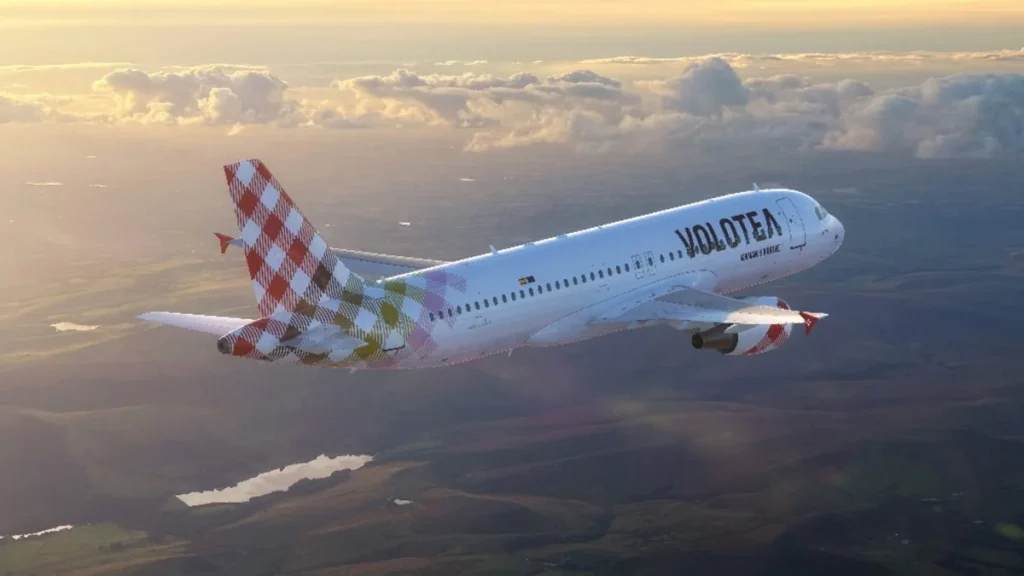
Travellers flying with Volotea from France face possible disruption after pilot unions called a three-day strike from September 4 through September 6, 2026.
The National Union of Airline Pilots, known as SNPL, announced the industrial action alongside UNAC and SPL. The call applies to Volotea pilots based in France.
The unions are seeking improved salaries and working conditions after annual negotiations failed to produce an agreement they considered acceptable.
The strike covers a Friday, Saturday and Sunday, creating risks for weekend breaks, late-summer holidays and journeys between regional French airports and European leisure destinations.
A strike call does not mean every Volotea flight will be cancelled. The final impact will depend on pilot participation, operational contingency measures and any negotiations held before September 4.
Volotea had not published a detailed cancellation schedule or broad passenger rebooking plan when the strike call was announced. Travellers should therefore continue monitoring their reservations directly.
Unions cite stalled annual negotiations
SNPL said annual mandatory negotiations have failed to deliver concrete progress since 2021. These discussions cover matters such as salaries, benefits and employment conditions.
The union argues that pilots have faced prolonged wage stagnation despite continued operational demands and the airline’s network activity.
Pilot representatives also raised concerns about difficult working conditions and insufficient recognition of flight crews’ responsibilities.
SNPL said it had previously highlighted the employment and remuneration situation at Volotea in 2022. According to the union, the underlying issues remain unresolved four years later.
The strike notice is intended to increase pressure on the airline to return with stronger proposals. However, no agreement preventing the action had been confirmed at the time of writing.
Management pay claim intensifies dispute
The union has alleged that Volotea management received average salary increases of 23 per cent during 2025. It contrasted that claim with what it described as pilot wage stagnation dating to 2012.
The figure represents the union’s position in the labour dispute. Volotea had not provided a publicly available response confirming the calculation when the strike notice was issued.
The disagreement therefore extends beyond a single annual pay increase. It concerns how pilots believe the airline distributes financial recognition and manages long-term employment conditions.
SNPL also maintains that pilots have contributed significantly to Volotea’s performance while facing sustained workload pressure.
Salary fairness, predictable schedules, fatigue management and work-life balance have become prominent labour issues across European aviation. Airlines must maintain competitive operations while retaining specialised employees in a demanding environment.
Regional airports face connectivity concerns
Volotea specialises in direct links between regional cities, often providing alternatives to journeys through large European hubs.
That model supports tourism by connecting smaller French airports with coastal destinations, islands and cultural cities elsewhere in Europe.
Possible cancellations could therefore affect more than major metropolitan gateways. Regional destinations with fewer alternative flights may feel a greater impact when one service is removed.
Travellers returning from summer holidays could encounter rebooking difficulties if other flights are already heavily booked. Passengers with hotels, tours, rental cars or onward transport may also face additional costs.
Tourism businesses depend on predictable arrival patterns. Hotels, restaurants and local transport providers can experience disruption when guests arrive late or cancel short stays entirely.
However, the strike’s economic impact cannot be determined until Volotea confirms any schedule changes.
Passengers urged to prepare early
Customers booked between September 4 and September 6 should verify that the airline has their current telephone number and email address.
They should regularly check flight status through Volotea’s official channels. Airport departure information can provide another useful update, but airline instructions should guide rebooking decisions.
Passengers should not travel to the airport following a confirmed cancellation unless Volotea instructs them to do so.
Those with separate onward tickets face additional exposure. If a Volotea flight is cancelled or delayed, another airline may not protect an independently booked connection.
Travellers should keep accommodation, transport and activity reservations flexible where possible. They should also retain receipts if disruption creates necessary additional expenses.
European passenger protections may provide rebooking, reimbursement or care depending on the circumstances. Eligibility for financial compensation can vary according to the cause, notice period and individual itinerary.
Customers should review the options communicated by Volotea before purchasing a replacement ticket independently.
Labour action tests airline relations
The dispute arrives as European aviation continues handling strong passenger demand and intense seasonal operations.
Pilots remain central to airline capacity. Labour instability involving flight crews can create disruption rapidly because airlines have limited options for replacing qualified personnel at short notice.
For Volotea, the September action will test whether management and unions can reach a compromise without affecting passengers.
A settlement before September 4 could protect schedules and restore confidence. If talks remain unsuccessful, travellers may face delays, cancellations or last-minute aircraft changes across the French network.
The clearest advice is to prepare without assuming that disruption is certain. Passengers should monitor official airline messages, preserve flexibility and avoid relying on unverified cancellation lists.
France’s regional tourism sector will now watch negotiations closely as the strike deadline approaches. A timely agreement would protect travellers while allowing both sides to continue discussions over pay, working conditions and long-term workforce stability.
For more travel news like this, keep reading Global Travel Wire