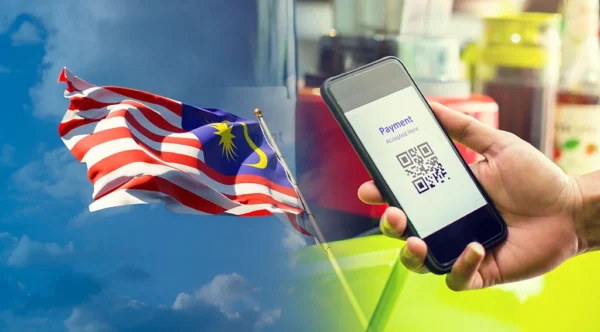
International tourists spent more than RM1 billion through TNG eWallet during the first six months of Visit Malaysia 2026, highlighting the expanding role of cashless payments in the country’s visitor economy.
TNG Group reported that overseas travellers are increasingly using Malaysia’s domestic QR payment system for purchases at retailers, restaurants and other physical businesses.
Inbound tourism expenditure through TNG eWallet has reached approximately RM2.58 billion since the service became available to overseas users in April 2025. Nearly half of that total was generated during the opening six months of the national tourism campaign.
The growth suggests that digital payment accessibility is becoming an important part of Malaysia’s tourism transformation. It also shows how financial technology can distribute visitor expenditure beyond airports, hotels and major shopping centres.
Regional travellers accelerate cashless adoption
Visitors from Singapore, Indonesia, Brunei, China, Thailand and Australia were among the strongest contributors to international transaction activity.
Malaysia’s position within Southeast Asia supports frequent regional travel through air, land and cross-border transport connections. Adding accessible digital payments can make those journeys more convenient, particularly for visitors making short trips or combining several destinations.
Eligible international travellers can use Malaysia’s QR ecosystem instead of depending entirely on cash, foreign-issued cards or repeated currency exchanges.
This flexibility may improve the visitor experience from the moment travellers arrive. Mobile payments can support routine purchases such as meals, local transport, convenience items, attraction tickets and souvenirs.
The system can be particularly useful when tourists move beyond established shopping and hospitality districts, where international card acceptance may be less widespread.
Physical merchants capture most expenditure
Around 76% of transactions involving overseas users took place at physical merchant locations rather than through online purchases.
This proportion indicates that international visitors are using QR payments while actively exploring Malaysian destinations. Their spending is reaching shops, restaurants and other businesses within the communities they visit.
Retail generated approximately 43% of inbound transaction value through the application. Food and restaurant businesses accounted for a further 40%.
Together, these categories represented most recorded international spending. The pattern demonstrates how everyday purchases form a substantial part of tourism’s economic impact.
Travellers spend throughout their journeys on meals, groceries, clothing, personal items and locally produced goods. Making those transactions easier can strengthen revenue opportunities for businesses serving tourism markets.
Local dining benefits from digital convenience
Malaysia’s diverse culinary landscape is a central element of its tourism appeal. Visitors commonly explore hawker centres, neighbourhood restaurants, cafés and food markets while travelling across the country.
However, these smaller establishments may not always accept foreign-issued payment cards. Some travellers must therefore carry cash or limit purchases to businesses with familiar payment facilities.
A widely available QR system can reduce that obstacle. International visitors who gain access to domestic payment infrastructure can buy from participating vendors with greater convenience.
This accessibility may encourage travellers to try more local dining experiences rather than remaining within hotels, shopping centres or large restaurant chains.
It can also improve budget management because mobile transaction records give users a clearer view of their expenditure during the journey.
Small businesses enter the visitor economy
QR payment expansion could help micro and small enterprises capture a greater share of international tourism revenue.
Traditional card acceptance may involve equipment, processing costs and administrative requirements that are difficult for independent vendors. QR infrastructure can provide a simpler digital route for participating businesses.
Hawker stalls, night-market traders and neighbourhood retailers may consequently become more accessible to overseas customers.
This development broadens the economic value of tourism. Instead of concentrating visitor expenditure among major hospitality groups and international brands, digital payments can direct money toward locally owned enterprises.
Tourists also gain more freedom to explore. They can move between large commercial venues and smaller community businesses while using a similar payment method.
Visit Malaysia 2026 gains digital support
The payment milestone supports the wider ambitions of Visit Malaysia 2026 by strengthening connections between international visitors and domestic businesses.
Tourism performance is often evaluated through arrivals, hotel occupancy and total expenditure. However, the distribution of visitor spending is equally important because it determines how widely tourism benefits reach communities.
Payment accessibility can reduce friction at the point of sale. Travellers do not need to estimate all their cash requirements in advance or carry large amounts of Malaysian ringgit for everyday purchases.
That convenience is especially relevant for cross-border visitors, short-stay tourists and travellers moving through multiple Malaysian destinations.
For merchants, digital transactions can open access to customers who might previously have avoided making purchases when international cards were unavailable.
Cashless access strengthens tourism competitiveness
As the tourism campaign progresses, wider merchant participation could make Malaysia’s visitor economy even more connected.
Tourists increasingly expect the same mobile convenience abroad that they use at home. Destinations offering simple, transparent and broadly available payment options may gain an advantage in delivering seamless journeys.
Businesses must still ensure that payment instructions remain clear and that alternative methods are available for travellers unable to access compatible digital services.
Nevertheless, the RM1 billion milestone reveals a significant shift. Malaysia’s QR ecosystem is connecting international visitors directly with its retail, restaurant and small-business economy.
As adoption expands, cashless technology could help Malaysia improve traveller convenience while ensuring that more local enterprises benefit from the country’s tourism growth.
For more travel news like this, keep reading Global Travel Wire