Egypt is joining Saudi Arabia, the United Arab Emirates and other Middle Eastern destinations in accelerating the use of artificial intelligence across tourism.
Governments and travel businesses are exploring AI-powered tools to improve visitor services, manage demand and deliver more personalised journeys. The technology is moving beyond promotional campaigns to influence airports, hotels, attractions, cultural experiences and destination planning.
Saudi Arabia has established a strong position in this regional transformation through smart-destination initiatives and emerging tourism platforms. Meanwhile, Egypt is exploring how digital technology can make its ancient heritage more accessible to modern international travellers.
The UAE, Qatar, Oman, Bahrain and Kuwait are also developing technology-led tourism models shaped by their individual destination priorities.
Saudi Arabia advances smart destination development
Saudi Arabia is using artificial intelligence as part of its broader tourism and economic diversification programme.
The country’s Ministry of Tourism has worked with technology specialists to explore AI-powered services, emerging technologies, responsible adoption and smart-destination development.
Potential applications include intelligent navigation, multilingual virtual assistants, visitor-flow monitoring and immersive cultural experiences. Augmented and virtual reality could also help travellers understand historic sites before and during their visits.
Saudi tourism planners can use predictive analytics to prepare for periods of high demand across Riyadh, AlUla, Red Sea destinations and religious tourism centres. Better forecasting could help hotels, transport operators and attractions allocate resources more efficiently.
Artificial intelligence may also support projects by processing visitor data and identifying changing travel preferences. However, strong governance will remain essential as tourism organisations collect and use personal information.
Egypt combines ancient heritage with AI
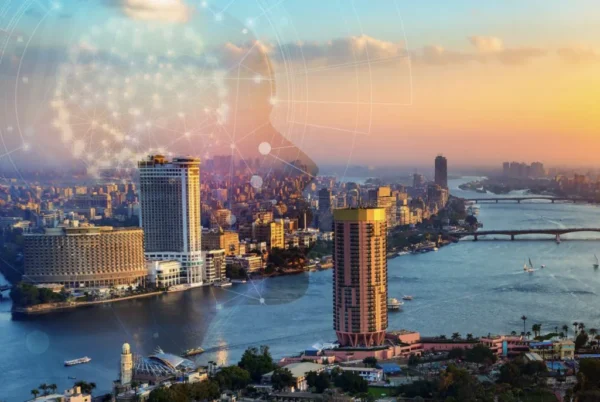
Egypt has an opportunity to place artificial intelligence at the centre of its tourism modernisation strategy.
The country offers globally recognised attractions, including the Pyramids of Giza, ancient temples, museums, Nile cruises, Red Sea resorts and historic urban centres. Digital technology can help present these assets to travellers in more interactive and accessible ways.
AI-powered cultural guides could deliver information in multiple languages and adapt explanations to different ages or interests. Virtual archaeological tours may introduce sites before departure, while interactive museum systems could create deeper engagement after arrival.
Visitor analytics could also help authorities understand demand patterns and manage busy periods around major heritage attractions. Crowd information may support safer movement and protect sensitive areas from excessive pressure.
Egyptian hotels can benefit from automated reservations, digital concierge services and faster customer support. These systems may reduce routine administrative work while allowing hospitality employees to focus on personal service.
UAE connects airports, hotels and attractions
The UAE has developed one of the region’s most mature digital tourism environments.
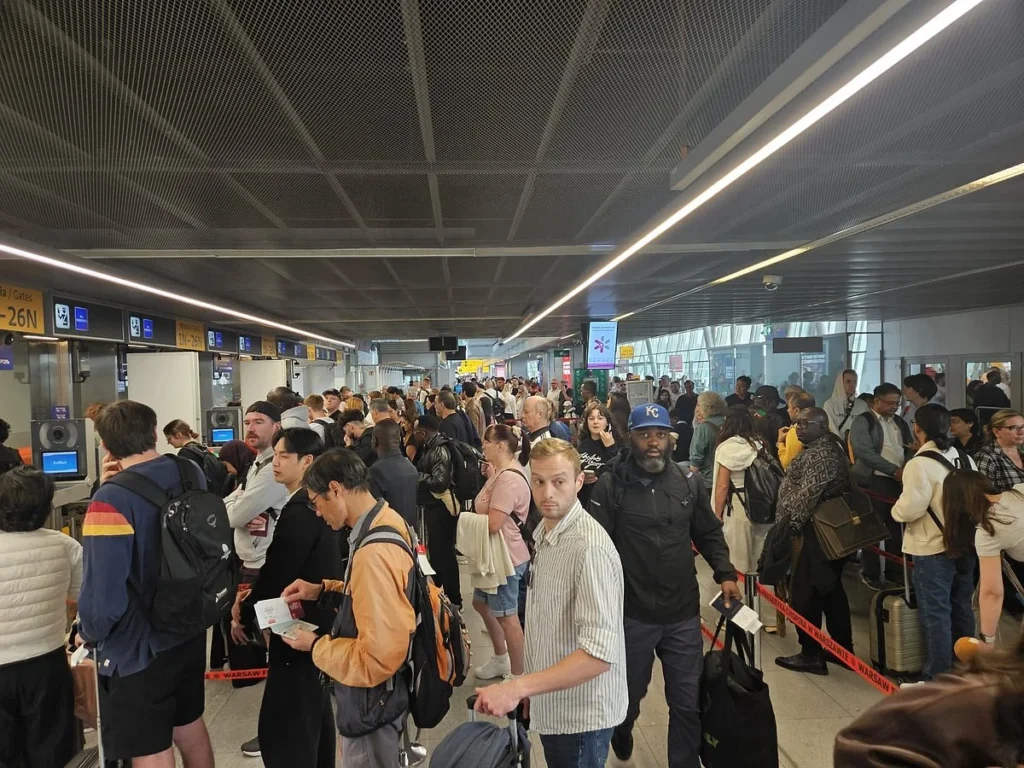
Dubai and Abu Dhabi use smart technology across aviation, accommodation, attractions and urban services. At airports, biometric processing and automated passenger systems can shorten parts of the departure and arrival journey.
Hotels are also introducing smart-room controls, automated communication and digital concierge functions. When used effectively, these tools can help properties anticipate guest requirements and respond more quickly.
AI platforms can recommend restaurants, cultural activities, events and shopping experiences according to individual preferences. This degree of personalisation supports the UAE’s premium tourism positioning while helping visitors navigate a large choice of experiences.
Qatar and Oman pursue distinct priorities
Qatar can apply AI to its expanding events, cultural and business tourism sectors.
Predictive tools can help organisers understand attendance patterns, manage visitor movement and plan services around international sporting events and conferences. Museums and cultural districts can use multilingual digital storytelling to reach broader audiences.
Hotels may also introduce AI-assisted customer service and digital check-in processes. These services can support guests during busy event periods when demand rises sharply.
Oman’s opportunity centres on sustainable tourism management. AI-powered monitoring could help authorities understand visitor activity around Salalah, Musandam, desert landscapes and historic forts.
Smart recommendations may direct travellers towards suitable destinations based on season, environmental conditions and local capacity. This approach could support tourism growth while protecting natural and cultural resources.
Bahrain and Kuwait expand digital possibilities
Bahrain can use artificial intelligence to strengthen business tourism, hospitality and events. Digital platforms may improve visitor information, analyse event demand and recommend cultural or leisure activities to short-stay travellers.
Kuwait remains an emerging leisure destination with opportunities to build digital visitor assistance into future tourism development. AI could support cultural promotion, itinerary planning and smart-city exploration as the market expands.
Smaller destinations may benefit from adopting scalable technology without attempting to reproduce the investment models of larger regional tourism economies.
Human hospitality remains central
AI could make Middle Eastern travel faster through automated processing, immediate assistance and personalised recommendations. It may also help governments forecast demand, coordinate infrastructure and manage attraction capacity.
However, technology must complement the region’s established hospitality traditions. Automated systems cannot fully replace local guides, hotel teams or travel professionals who understand cultural context and complex visitor needs.
The regional tourism race will therefore depend on balance. Destinations must combine innovation with privacy, accessibility, accurate information and genuine human service.
Saudi Arabia may be moving quickly, but Egypt’s heritage strengths give it a distinctive opportunity. Together with the UAE and other regional markets, these destinations are showing how artificial intelligence could shape a smarter and more competitive era for Middle East tourism.
For more travel news like this, keep reading Global Travel Wire