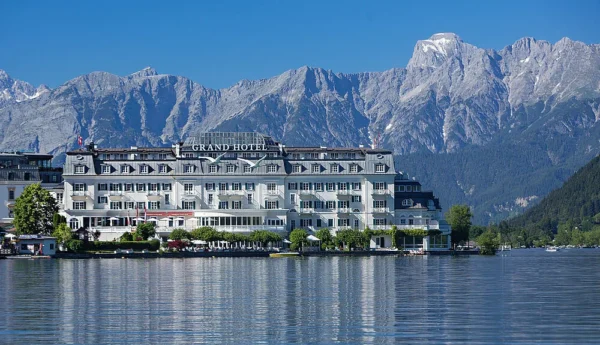
Austria’s lower-altitude Alpine hotels are accelerating their shift from ski-dependent business models towards wellness, cycling, hiking and other year-round experiences as changing snow conditions reshape mountain tourism.
The transition exposes a widening divide within the country’s Alpine visitor economy. High-elevation resorts retain stronger access to reliable winter conditions, while lower valleys face greater uncertainty at the beginning and end of the ski season.
Austria’s national tourism performance remains strong. The country registered 74.23 million overnight stays between November 2025 and April 2026, representing a 2.5% increase over the previous winter.
Guest arrivals rose by 3.4% to 21.33 million, producing Austria’s strongest winter season since electronic records began in 1973–74. International visitors generated most overnight demand, with Germany remaining the largest foreign market.
However, national growth does not remove the operational risks facing individual valleys. Strong urban tourism and resilient high-altitude destinations can lift the national total even when lower mountain communities experience difficult snow periods.
Lower elevations face changing snow conditions
Official Alpine climate monitoring shows a long-term warming trend across Austria and neighbouring mountain regions. At low and medium elevations, more winter precipitation increasingly falls as rain instead of snow.
The 2024–25 Alpine winter half-year was 1.6 degrees Celsius warmer than the 1991–2020 average. GeoSphere Austria has also documented the declining frequency of snow cover at lower elevations.
These conditions do not mean skiing will disappear across the Austrian Alps. However, they can shorten reliable operating windows, delay resort openings and weaken late-season demand in vulnerable areas.
Rain can damage natural snow cover, while repeated freezing and thawing may reduce piste quality. Travellers seeking dependable skiing may therefore favour higher resorts or book closer to departure after checking conditions.
Lower-altitude hotels face a particular challenge because many fixed expenses continue regardless of snow reliability. Heating, maintenance, staffing, insurance and debt repayments cannot be reduced as quickly as winter bookings.
Snowmaking offers support but has limits
Technical snowmaking remains important for Austrian ski tourism, particularly on key connecting slopes and valley runs. Yet snow production still depends on suitable temperature and humidity conditions.
When weather remains too warm, snowmaking becomes less efficient or impossible. Operators must also manage electricity, water, pumping and infrastructure expenses.
These costs can affect the wider destination. Lift companies, hotels and local authorities depend on one another because a functioning ski area supports accommodation, restaurants, rentals and transport services.
Raising room or lift-pass prices may recover some expenses. However, families and value-conscious travellers can resist higher prices when only part of a ski area is operating.
Consequently, hotels cannot treat artificial snow as a complete answer. Diversifying the reasons to visit offers a more durable response than attempting to preserve winter dependence at any cost.
Wellness creates a weather-independent market
Wellness tourism provides lower Alpine hotels with one of their strongest diversification opportunities. Indoor pools, saunas, treatment rooms and relaxation programmes can attract guests throughout the year.
Properties are also developing preventative health, recovery and nature-based wellbeing experiences. These products can appeal to couples, older travellers, corporate groups and visitors who do not ski.
Unlike downhill skiing, wellness demand does not require continuous snowfall. It can support bookings during rainy periods, autumn weekends and traditionally quiet weeks between major holiday seasons.
Culinary programmes can complement this strategy. Regional food, farm visits and seasonal dining allow destinations to turn local culture into a bookable tourism experience.
However, wellness expansion requires careful investment. Hotels must evaluate energy use, staffing needs and realistic demand before committing to expensive facilities.
Cycling and hiking extend the Alpine season
Cycling, hiking and active outdoor tourism provide another path towards year-round resilience. Mountain-bike trails, e-bike services and guided walking routes can bring visitors from spring through autumn.
Hotels can adapt existing ski-storage areas into secure bicycle rooms, charging stations and maintenance spaces. They can also offer route planning, luggage transfers and recovery services.
E-bikes have made Alpine landscapes accessible to a broader range of visitors. Travellers who may not attempt demanding climbs on conventional bicycles can explore valleys and mountain roads with electric assistance.
Summer tourism can also distribute demand across smaller communities. Visitors spend on accommodation, local transport, restaurants, guides and cultural attractions, supporting employment beyond the ski season.
Nevertheless, diversification must protect mountain environments. Trail management, public transport and visitor-flow planning are essential where growing summer demand creates pressure on landscapes or residents.
Vision T supports tourism 365 days a year
Austria’s national Vision T strategy, introduced in 2026, reinforces this direction. Its guiding idea is tourism that creates value for everyone throughout 365 days of the year.
The strategy targets economic resilience, skilled employment, innovation, digitalisation, responsible resource use and stronger local participation. It also moves the discussion beyond measuring success only through visitor volume.
For Alpine hotels, year-round operations can support permanent jobs and reduce repeated seasonal recruitment. Retaining experienced workers may improve service quality while creating more stable livelihoods in mountain communities.
Austria’s winter tourism sector remains internationally powerful. Yet its future will not depend on skiing alone.
High-altitude resorts may retain a natural advantage during warmer winters. Lower destinations can compete differently by combining snow sports with wellness, cycling, hiking, cuisine and culture.
The emerging divide therefore represents both a warning and an opportunity. Hotels that adapt early can extend their operating season, reach new visitor segments and build a more resilient future for Austria’s Alpine communities.
For more travel news like this, keep reading Global Travel Wire