Vietnam is accelerating its transformation into a leading global destination through easier entry, cultural tourism and a stronger focus on high-value international visitors.
The country’s new tourism direction places the visitor economy at the centre of national development. Rather than concentrating only on arrival numbers, Vietnam wants travellers to stay longer, spend more and explore a wider range of cultural and natural experiences.
Resolution No. 26-NQ/TW provides an important policy foundation for this shift. It identifies tourism as a major economic driver and supports coordinated development involving infrastructure, technology, culture and destination management.
Vietnam’s approach reflects a broader international movement. Japan, China, Saudi Arabia, India, Thailand, Indonesia, Spain and Portugal are also updating their strategies to attract visitors through improved access, premium experiences and sustainable regional development.
This growing competition is changing how destinations define success. Visitor spending, length of stay and benefits for local communities are becoming as important as headline arrival figures.
Easier entry supports longer holidays
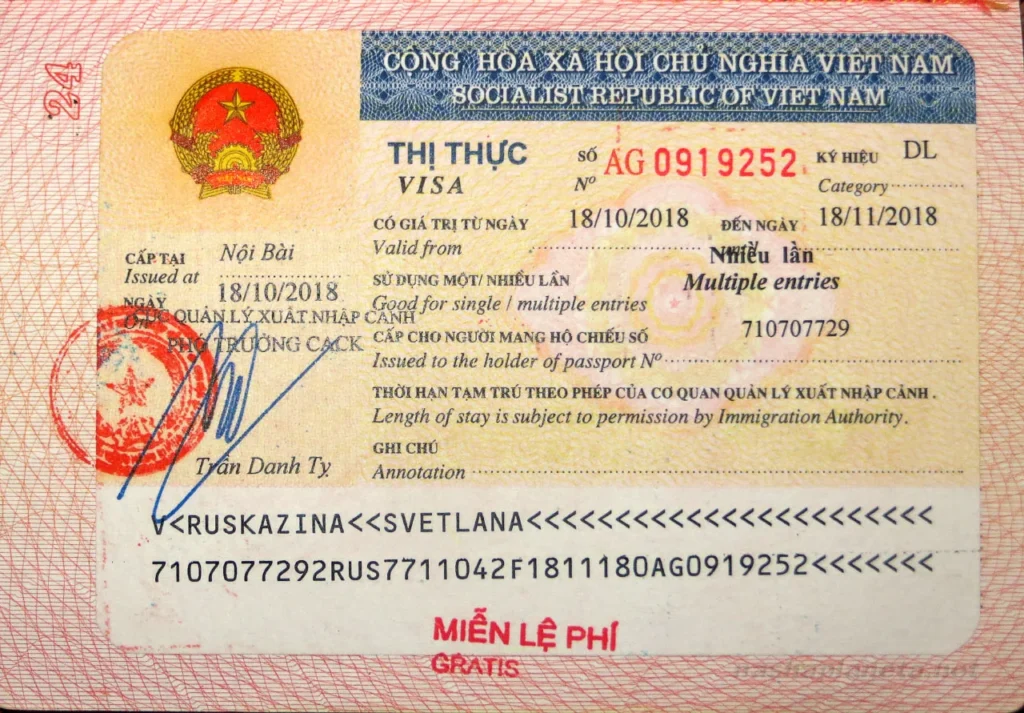
Visa facilitation remains central to Vietnam tourism growth in 2026.
Eligible travellers from several markets can receive visa-free stays of up to 45 days. Vietnam has also expanded its electronic visa system, making advance entry arrangements more accessible for international visitors.
Longer permitted stays can encourage travellers to move beyond Hanoi, Ho Chi Minh City and major coastal resorts. Visitors have more time to explore heritage cities, mountain communities, island destinations and rural landscapes.
Simplified entry can also support repeat visits and multi-destination holidays across Southeast Asia. Travellers may include Vietnam in longer regional itineraries when arrival procedures are clear and convenient.
However, visitors must check the conditions applying to their nationality before departure. Visa-free eligibility, e-visa requirements and permitted entry points can vary.
Culture strengthens Vietnam’s competitive advantage
Vietnam’s heritage, cuisine and community traditions provide a strong foundation for higher-value tourism.
Travellers can combine historic cities and archaeological sites with food experiences, wellness retreats, beach holidays and nature-based journeys. Community tourism also creates opportunities for visitors to engage with regional customs while supporting local livelihoods.
This diversity allows Vietnam to target several travel segments without relying on one attraction or season. Premium resorts can serve luxury demand, while cultural routes and local experiences encourage spending across smaller destinations.
Digital transformation will further influence the visitor journey. Improved online information, electronic services and smart destination tools can make it easier to plan transport, accommodation and activities.
Yet technology alone will not determine competitiveness. Preserving heritage, protecting landscapes and maintaining authentic local experiences will remain essential as visitor demand expands.
Japan prioritises spending and regional travel
Japan offers a useful comparison because it is also shifting attention from arrival volume towards visitor value.
The country is promoting destinations beyond Tokyo, Kyoto and other heavily visited locations. Regional rail access, seasonal experiences and local cultural programmes can distribute tourism income more widely.
Traditional arts, cuisine, wellness, luxury accommodation and popular culture give Japan several ways to attract international travellers. Encouraging longer stays outside major gateways can also ease pressure on crowded destinations.
Vietnam shares this regional-development objective. Both countries can increase the economic contribution of tourism by directing visitors towards lesser-known communities and encouraging deeper engagement with local culture.
Asian destinations sharpen tourism strategies
Competition is increasing across Asia as countries improve access and diversify their visitor offerings.
China is strengthening visa facilitation, cultural promotion and smart tourism services as it rebuilds international travel demand. Historic cities, major urban centres and scenic western regions form part of that effort.
Thailand is developing wellness, medical and luxury travel alongside its established beach destinations. Indonesia is promoting marine tourism, heritage and nature while seeking to spread visitors beyond Bali.
India continues to build demand around spiritual journeys, Buddhist circuits, Ayurveda, heritage, cruises and Himalayan adventure. Its enormous domestic market also supports tourism investment and improved connectivity.
These strategies show that Asian destinations are no longer competing only through price. Distinctive experiences, accessible entry and service quality increasingly influence traveller decisions.
Global destinations pursue balanced growth
The same shift is visible beyond Asia.
Saudi Arabia is using Vision 2030 to develop coastal resorts, entertainment, religious tourism and cultural destinations such as AlUla and Diriyah.
Spain is promoting rural areas, wine regions and heritage towns to reduce pressure on traditional hotspots. Portugal is similarly encouraging regional exploration while emphasising sustainability and community protection.
These models demonstrate the importance of distributing tourism benefits. Concentrating visitors in a small number of locations can strain transport, housing and public services.
Vietnam can apply this lesson by supporting secondary destinations before demand becomes excessive.
Tourism success moves beyond arrival records
The next phase of global tourism competition will centre on value, resilience and visitor experience.
Easier entry may persuade travellers to choose Vietnam, but high-quality accommodation, efficient transport and memorable cultural encounters will determine whether they stay longer or return.
Sustainable growth must also benefit hospitality workers, small businesses, guides and local communities. Protecting the landscapes and traditions attracting visitors will be critical to maintaining long-term demand.
Vietnam tourism growth in 2026 therefore represents more than a recovery in international arrivals. It signals a transition towards a broader tourism economy built on accessibility, cultural identity, technology and higher visitor value.
Alongside Japan and other global leaders, Vietnam is entering a new era in which seamless travel and meaningful experiences will shape destination success.
For more travel news like this, keep reading Global Travel Wire