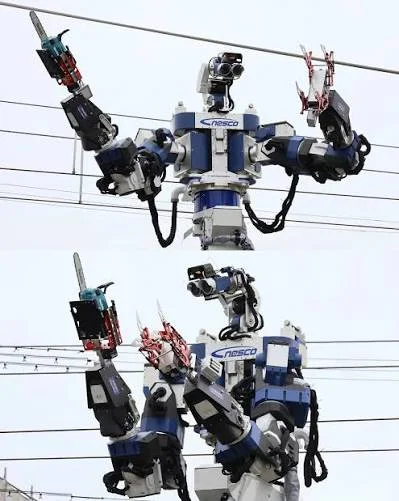
A chainsaw-equipped railway robot has helped clear vegetation near Nobeyama Station in Japan’s Nagano Prefecture, highlighting a new approach to track maintenance.
East Japan Railway Company, known as JR East, introduced the human-operated machine in March 2026. The equipment uses mechanical arms to cut and handle branches near railway infrastructure.
The work also draws attention to upcoming daytime maintenance on the scenic Koumi Line. JR East plans further suspensions between Kobuchizawa and Koumi in November and December 2026.
The operator will not provide replacement transport during those scheduled closures. Travellers should check their departure times before planning journeys through the affected section.
The robot supports railway workers rather than operating independently. Its use reflects efforts to improve maintenance conditions while protecting the infrastructure that carries regional passengers and visitors.
Chainsaw and Claw Clear Trackside Growth
The machine combines a humanoid upper body with a specialised vehicle that can travel on roads and railway tracks.
One mechanical arm carries a chainsaw for cutting branches. Another uses a claw to grip vegetation and move material away from the work area.
A human operator controls the equipment from the vehicle. This arrangement lets workers direct cutting tasks without handling the chainsaw beside the branches.
During work near Nobeyama Station, the equipment tackled vegetation growing towards the Koumi Line. Keeping branches clear of railway infrastructure forms part of preventive maintenance.
The machine may reduce workers’ exposure to some hazards associated with cutting at height. However, crews still need appropriate operating procedures and supervision.
JR East calls its multifunctional railway machine ZIZAI. The operator introduced it in March 2026 to support work that includes tree cutting and tasks at height.
Koumi Line Closures Affect Daytime Travel
JR East has scheduled daytime maintenance between Kobuchizawa and Koumi on 17–19 November and 15–17 December 2026.
Services will stop in both directions on the affected section from approximately 9.30am until 3pm on those dates. The operator says it will not provide replacement buses or taxis.
Passengers should confirm the latest timetable for their travel date and check connections before departure. Maintenance schedules can change, and other disruptions may affect services.
The closures form part of a wider daytime work programme. The railway robot itself does not automatically require train cancellations.
For visitors, the absence of replacement transport makes advance planning especially important. Travellers should check how the suspension affects their complete journey, including onward connections.
Why the Route Matters for Nagano Tourism
The Koumi Line connects Kobuchizawa in Yamanashi Prefecture with Komoro in Nagano Prefecture. Its route passes through mountain and highland communities in central Japan.
The railway offers access to rural scenery and destinations around Nobeyama. Visitors also use regional trains to explore communities beyond Japan’s largest cities.
Rail connections can shape how easily travellers reach attractions, accommodation and local businesses. A daytime suspension may therefore affect more than the train journey itself.
Travellers planning a same-day excursion should check whether their preferred outbound and return services operate. Those with hotel reservations or onward connections should also consider the timing of the maintenance window.
The Nobeyama operation involved railway maintenance. JR East has not announced regular public viewing of the work at that location.
Daytime Work Changes the Maintenance Balance
Railway companies often carry out maintenance overnight, when fewer passenger services operate. Daytime work creates another option for tasks that require access to the tracks.
JR East has identified improved working conditions and more efficient maintenance as aims of its daytime construction programmes. Longer working windows can also help crews organise demanding infrastructure tasks.
For passengers, however, daytime closures require a trade-off. Trains cannot operate through the affected section while crews work there.
Clear service information becomes especially valuable on regional routes, where travellers may have fewer convenient alternatives. Visitors should check notices again closer to departure.
Japan’s Wider Railway Robotics Effort
JR East’s machine follows earlier work by West Japan Railway Company, known as JR West. A JR West Group company began using multifunctional railway machinery on commercial lines in July 2024.
JR West developed that equipment with industrial partners to support maintenance tasks at elevated heights. The technology helps workers use mechanical tools for jobs that previously depended more heavily on manual work.
The approach combines human control with machinery capable of reaching and handling equipment. JR East’s trackside vegetation work demonstrates one practical use for that combination.
The companies have not established that robots can perform every maintenance task. Human crews remain essential to planning, operating and supervising the work.
What Travellers Should Expect
Passengers should treat the robot as maintenance equipment, not as a new tourist service. Its deployment does not change the Koumi Line’s standard ticket arrangements.
The more immediate concern for visitors is the published closure schedule between Kobuchizawa and Koumi. Travellers should allow time to review services and arrange their own alternatives where necessary.
For regional tourism, dependable railway infrastructure supports access to destinations across Nagano and Yamanashi. JR East’s challenge is to maintain that infrastructure while giving passengers clear notice of planned interruptions.
For more travel news like this, keep reading Global Travel Wire