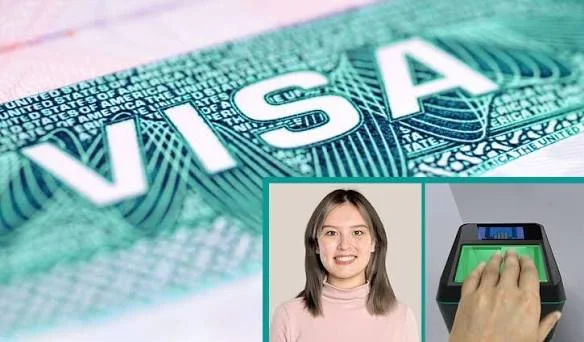
South Africa has joined a growing group of destinations using electronic travel authorisation systems to simplify applications, strengthen identity checks and support international tourism.
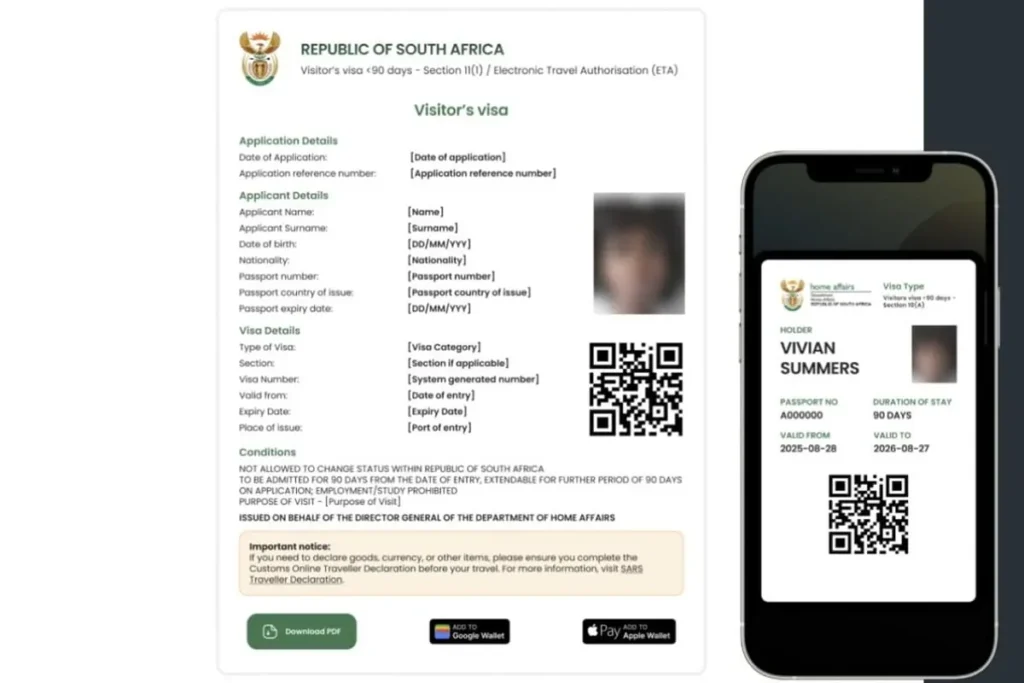
The country officially launched its Electronic Travel Authorisation system on August 12, 2026, at OR Tambo International Airport. The digital platform allows eligible travellers to complete the application process online before beginning their journeys.
South Africa’s Department of Home Affairs developed the system as part of a wider immigration modernisation programme. The technology is intended to replace slow manual procedures with digital applications, automated checks and biometric identity verification.
Ukraine has joined the nationalities covered by South Africa’s new ETA platform, creating an online application pathway for eligible Ukrainian visitors. Travellers must confirm their individual requirements before booking because access depends on nationality and travel purpose.
The change carries significant potential for South Africa’s tourism industry. Easier digital procedures can improve access to destinations including Cape Town, Johannesburg, Durban, Kruger National Park and the country’s extensive cultural and coastal attractions.
Digital Approval Replaces More Paperwork
Traditional visa applications may require physical documents, consular appointments and lengthy administrative steps. Electronic systems move more of this process online.
Applicants can submit passport details and supporting information digitally. Immigration authorities can then screen travellers before departure and connect the authorisation to the passport used during the application.
An ETA is permission to travel rather than a guarantee of entry. Border officers retain responsibility for deciding whether a passenger meets arrival requirements.
Travellers should therefore use only official government platforms. They must also carry the same passport used for the application and ensure that every detail is correct.
Digital systems may improve convenience, but mistakes involving names, passport numbers or travel dates can still create delays.
Kenya Provides A Leading African Example
Kenya has established one of Africa’s most visible electronic travel authorisation systems. Its official eTA platform allows visitors to apply online, monitor an application and validate an issued authorisation.
The semi-automated system determines whether a passenger is eligible to travel to Kenya. It supports advance immigration screening while giving travellers an online alternative to traditional paperwork.
This approach is important for a tourism economy connected with wildlife safaris, Indian Ocean beaches and city travel. International visitors provide demand for hotels, tour operators, airlines, guides and conservation areas.
Destinations such as the Maasai Mara, Amboseli, Nairobi and Mombasa depend on predictable international access. A clear digital process can improve traveller confidence when planned and communicated effectively.
South Africa’s launch shows how similar technology is expanding across the continent as governments seek to balance tourism growth with secure border management.
UK And Canada Use Advance Authorisation
The United Kingdom has expanded its ETA system for eligible visitors who do not normally require a visa. Applicants provide passport and contact information, submit a compliant digital photograph, answer suitability questions and pay the required fee.
Approved travellers must use the same passport connected with their authorisation. The system allows British authorities to complete checks before a passenger reaches an airport, port or international rail terminal.
Canada also operates an electronic travel authorisation for eligible visa-exempt foreign nationals flying to or transiting through a Canadian airport. The approval is digitally linked to the traveller’s passport.
Neither system replaces visas for passengers who already require them. Travellers must determine whether they need an ETA, eTA, visa or another immigration document before departure.
Europe Prepares Further Digital Border Changes
The European Union is also moving towards a more digital border environment through the Entry/Exit System and the European Travel Information and Authorisation System.
The Entry/Exit System is designed to record entries and exits for relevant non-EU travellers using electronic and biometric information. ETIAS will eventually require eligible visa-exempt visitors to obtain travel authorisation before visiting participating European countries.
ETIAS is not yet operational. Travellers should avoid unofficial websites claiming to issue valid authorisations before the system begins.
The phased European transition illustrates the complexity of introducing technology across numerous countries, airports and border points. Reliable public information will remain essential as implementation progresses.
Tourism Competitiveness Drives Visa Reform
Electronic authorisation systems offer governments several potential advantages. They can reduce physical paperwork, complete security screening earlier and create more consistent passenger information.
For travellers, online applications can remove some embassy visits and make planning more predictable. For airlines, approved digital records can improve pre-departure document checks.
Tourism businesses may benefit when entry requirements become easier to understand. Hotels, attractions and tour operators are more likely to receive bookings when visitors feel confident about completing immigration procedures.
However, digital access also creates responsibilities. Applicants need internet connectivity, accurate instructions and protection from fraudulent websites. Governments must provide secure platforms and support for people who encounter technical problems.
South Africa’s ETA launch is therefore more than an immigration upgrade. It forms part of a global movement that increasingly places border preparation online.
As South Africa, Kenya, the UK, Canada and Europe develop digital travel systems, international journeys will begin long before airport check-in. Clear rules, secure technology and official guidance will determine whether this transformation delivers easier travel and stronger tourism growth.
For more travel news like this, keep reading Global Travel Wire