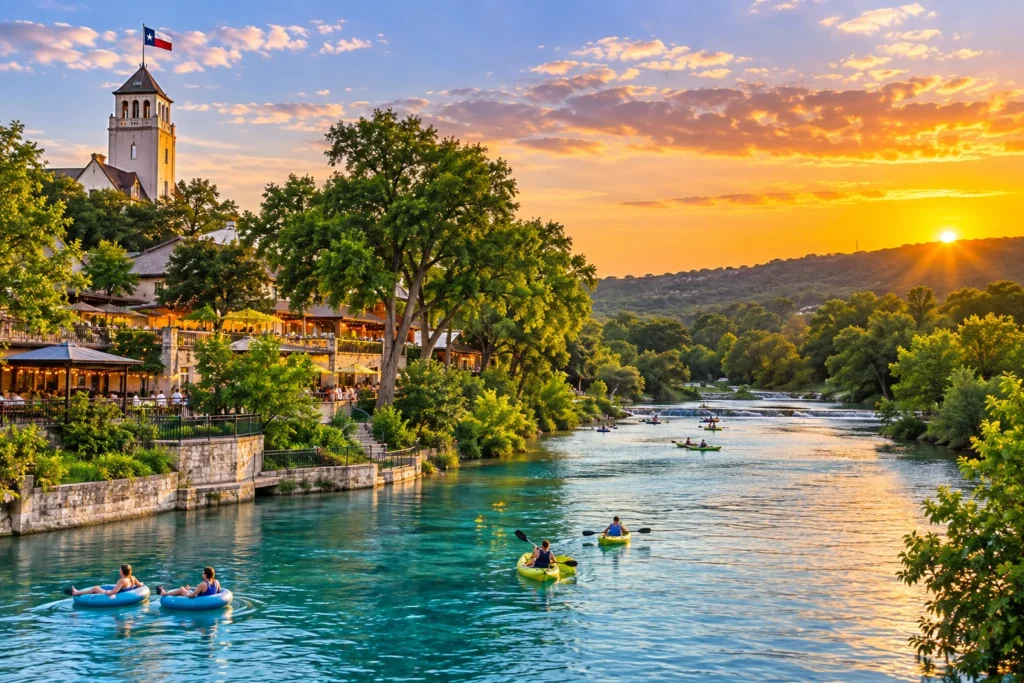
Situated squarely in the fast-growing corridor connecting San Antonio and Austin, New Braunfels is taking aggressive strides to transform its position in the regional tourism and convention sectors. Long celebrated for its rich German heritage, pristine spring-fed rivers, and family-friendly recreation, the Texas Hill Country destination is executing a forward-thinking strategic vision designed to capture a larger share of regional business travel and year-round leisure visitors.
With major urban centers facing rising travel costs and frequent accommodation bottlenecks, local leaders recognize a prime window of opportunity. As municipal lodging in neighboring metropolitan hubs reaches capacity or exceeds budget limits for travelers, New Braunfels offers an attractive, full-service alternative. By combining proximity to major Interstate 35 transit routes with authentic culture and expanding facilities, the city is positioning itself as a primary destination rather than a quick day-trip stop.
Hospitality Drives Significant Employment and Local Economic Success
Official economic impact findings released by the municipal convention and visitors bureau confirm that hospitality serves as a primary engine for local workforce stability and municipal revenue. In 2025, the local travel and visitor ecosystem generated over $376 million in total wages while sustaining more than 16,400 jobs across accommodation, dining, entertainment, and transportation sectors. Overall visitor spending topped $1.3 billion for the year, providing vital support to small businesses and municipal services while significantly easing tax burdens for area residents.
The economic momentum reflects a steady upward trajectory in commercial hospitality performance. Local municipal reporting indicates that city-level hospitality revenue climbed by more than 20 percent over recent years. Recent additions to the local landscape, including historic hotel restorations, new boutique lodgings, and diverse culinary venues, have enriched the overall guest experience and incentivized longer stays.
Expanding Convention Capacity to Capture Business Travel Demand
A central component of the strategy centers on upgrading corporate event infrastructure. City Council studies and official facility assessments highlight an opportunity to modernize the local civic and convention center to meet modern industry expectations. Currently operating with convention space footprint figures below regional and national benchmarks, municipal authorities are evaluating plans to expand meeting capacity, exhibition areas, and walkable hotel rooms to accommodate larger organizational gatherings.
By scaling its convention infrastructure, the municipality aims to capture lucrative weekday corporate bookings that complement its traditional weekend leisure traffic. Increasing business events provides surrounding restaurants, shops, and transport services with steady patronage throughout the year, mitigating seasonal downturns common to river-focused resort towns.
Year-Round Destination Marketing Elevates Regional Profile
To support these physical investments, public tourism administrators have realigned promotional budgets toward four-season destination marketing. While summer water recreation and autumnal celebrations like Wurstfest historically drove peak visitation, official campaigns now emphasize late-autumn, winter, and spring attractions. Targeted regional campaigns highlight signature festivals, live performance venues, historic districts, and outdoor sports across major markets in Texas and nearby states.
The strategy builds upon widespread recognition from travel industry organizations, which have consistently highlighted the city as a premier family holiday and cultural destination. By diversifying its marketing channels across digital platforms and targeted travel media, the community continues to capture attention from a wider demographic of business leaders, conference planners, and families.
Sustainable Infrastructure Planning for Long-Term Growth
Managing continuous expansion requires careful coordination between economic development teams, municipal planners, and local business owners. Local leadership remains focused on preserving the historic character and environmental natural assets that make the area unique, while simultaneously upgrading public utilities, transportation pathways, and downtown infrastructure.
As population growth continues along the Interstate 35 corridor, New Braunfels tourism is built on a foundation of proactive infrastructure investments, multi-season marketing initiatives, and expanded convention offerings. By offering top-tier amenities, rich cultural traditions, and high-value meeting spaces, the city is set to secure its place as a central pillar of the Texas Hill Country hospitality economy for years to come.
For more travel news like this, keep reading Global Travel Wire