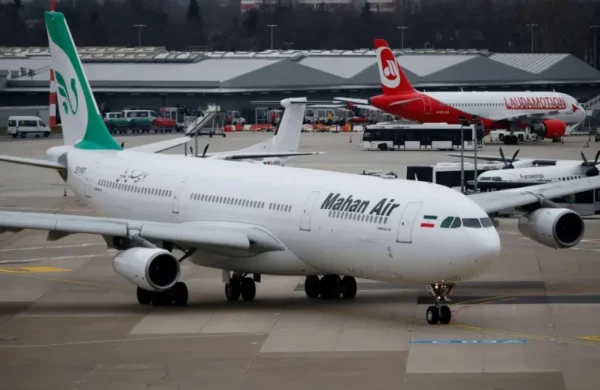
Iran’s Ministry of Foreign Affairs has criticised regional air transport restrictions and urged efforts to restore regular passenger services. Disrupted connections are complicating journeys for religious pilgrims, medical travellers, university students and families dependent on cross-border access.
Tehran is pursuing diplomatic channels to normalise operations, arguing that civilian mobility underpins regional relationships. However, the information provided does not establish a confirmed timetable for restoring affected services.
For tourism businesses, the disruption creates uncertainty around bookings, accommodation commitments and onward transport. Travellers face longer journeys and potentially higher costs when direct flights become unavailable.
Diplomatic Efforts Focus on Civilian Connectivity
Iranian diplomatic representatives describe freedom of movement as a foundation of neighbourhood cooperation. They argue that restrictions on civilian aviation undermine the religious, familial and economic connections supporting bilateral relations.
The immediate challenge involves restoring predictable transport while national authorities address aviation arrangements and diplomatic disagreements.
Regular services require coordination between civil aviation bodies, airlines and airports. Reciprocal permissions, available slots and operational safety requirements all influence whether carriers can rebuild dependable schedules.
Until authorities confirm route-specific arrangements, travel businesses cannot assume that diplomatic discussions will produce an immediate return to normal operations.
Pilgrimage Travel Faces Longer Journeys
Religious tourism forms an important part of movement between Iran and neighbouring destinations. Pilgrimage networks connect holy cities including Mashhad, Qom, Najaf and Karbala.
When scheduled or charter capacity contracts, travellers may need indirect flights or overland alternatives. Those options can involve additional transfers, longer travel times and more complicated group arrangements.
For families planning spiritual journeys, unexpected transport changes can disrupt carefully organised budgets and leave accommodation plans uncertain.
Older passengers and travellers requiring assistance may face particular difficulties during lengthy transfers or border crossings.
Meanwhile, pilgrimage organisers must reconsider transport, hotel reservations and meal arrangements together. A cancelled flight can affect an entire itinerary rather than one isolated booking.
Medical Tourism Depends on Reliable Access
Medical travellers also rely on predictable regional connections. Tehran, Shiraz and Mashhad feature in cross-border journeys for specialised treatment.
Patients arranging surgery, cancer care or follow-up appointments often need travel schedules that align closely with clinical requirements.
Indirect routes can increase expenses and complicate access for passengers with limited mobility. Longer journeys may also create additional practical difficulties for accompanying relatives.
Although humanitarian travel arrangements may offer assistance in individual cases, the supplied information identifies no comprehensive exemption programme.
Patients therefore need confirmation from their airline and treatment provider before relying on any exceptional transport arrangement.
For medical tourism businesses, uncertainty affects appointment coordination, accommodation and the support services surrounding a patient’s stay.
Students and Families Face Scheduling Pressure
Reduced connectivity also complicates academic travel across the region. Students returning to universities may struggle to align available transport with examination dates or semester openings.
Alternative journeys can require additional transit permissions, accommodation and time away from study. These pressures also affect families supporting students financially.
Universities may consider administrative flexibility or remote participation where appropriate. However, such measures depend on individual institutions and cannot replace reliable physical access.
Family visits face similar practical challenges. Passengers who previously relied on direct services may need longer itineraries through third-country airports.
The broader consequence is less predictable movement between communities with established personal and educational ties.
Tourism Businesses Absorb Operational Uncertainty
Travel agencies and tour operators must manage cancellations while assessing which replacement journeys remain commercially workable.
Changes can affect prepaid hotel rooms, ground transport contracts and group arrangements. Refund obligations and revised bookings may place additional pressure on smaller businesses.
Hotels near pilgrimage sites and medical centres can also experience disrupted arrivals when guests cannot reach their destinations as planned.
Airport service providers face uncertainty when airlines revise schedules. Ground handling, catering and local transport activity depend partly on consistent passenger flows.
However, the supplied information does not quantify cancellations, business losses or the number of stranded travellers.
Business Mobility Adds Economic Stakes
Cross-border traders and technicians depend on convenient flights for meetings, inspections and commercial coordination. Reduced access can delay visits and complicate time-sensitive business activity.
Digital meetings and alternative cargo routes may address some immediate needs. Nevertheless, they cannot replace every journey requiring a physical presence.
Restoring dependable aviation links would support tourism alongside these wider commercial connections.
For now, travellers and businesses need route-specific updates before committing to revised plans. Diplomatic engagement signals an effort to resolve the disruption, but confirmed operating schedules remain the decisive step towards recovery.
For more travel news like this, keep reading Global Travel Wire