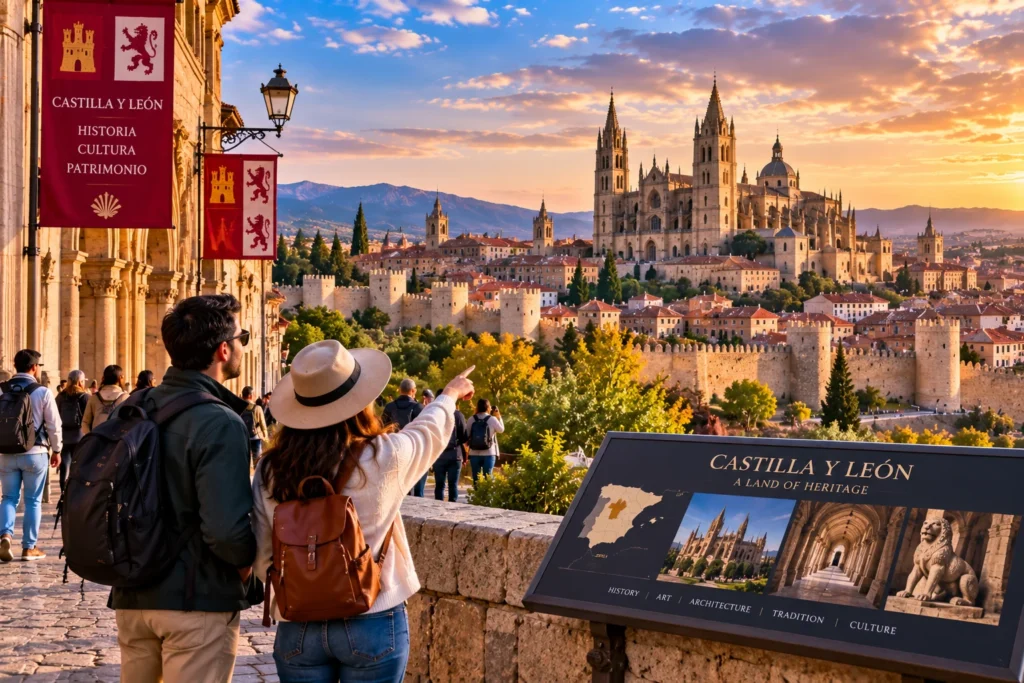
The historic city of León has been recognized as one of the world’s top 50 travel destinations for 2027. Emerging as the sole representative from Spain on the global editorial selection, the city’s inclusion highlights a expanding international travel trend favoring sustainable regional tourism, cultural depth, and authentic community engagement over mass-market urban saturation.
The global selection reflects a deliberate pivot away from heavily visited coastal resorts and primary metropolitan centers such as Madrid and Barcelona. Regional tourism authorities across Spain continue to support dispersal strategies designed to distribute economic benefits into historic secondary cities while managing overcrowding across traditional holiday destinations.
Key Factors Behind León’s International Distinction
Situated in the northwest region of Castile and León, the city functions as a prominent cultural and historical crossroads. Having served as the medieval capital of the Kingdom of León and a fundamental waypoint along the UNESCO-recognized Camino de Santiago pilgrimage route, the municipality offers a rich architectural and historical landscape.
Several core elements contribute to the city’s elevated international standing:
Architectural Heritage: The 13th-century Santa María de León Cathedral—known locally as the Pulchra Leonina or “House of Light”—stands as a premier example of French-influenced Gothic architecture on the Iberian Peninsula, featuring an extensive collection of original stained-glass windows.
Gastronomic Traditions: The city maintains an authentic culinary framework centered around traditional tapas culture within historic quarters such as the Barrio Húmedo and Barrio Románico, where local food service accompanies traditional hospitality.
Sustainable Transport Infrastructure: High-speed AVE rail infrastructure connects the city directly to Madrid, enabling low-emission, highly efficient regional travel for domestic and foreign visitors.
Monastic and Modern Landmarks: Historical monuments including the Royal Collegiate Church of San Isidoro and the San Marcos Monastery operate alongside contemporary institutions like the Castile and León Museum of Contemporary Art (MUSAC).
Mechanics of Second-City Sustainable Tourism
The recognition of secondary urban destinations directly aligns with broader national and regional policies aimed at promoting sustainable tourism growth. As global travelers increasingly seek high-value, low-impact cultural itineraries, secondary cities provide essential infrastructure capable of absorbing visitor interest without creating local urban strain.
The economic model of León’s municipal tourism sector relies heavily on small and medium-sized enterprises, regional food producers, and family-owned hospitality businesses. This decentralized business structure ensures that visitor expenditure directly supports local community employment and heritage preservation across the province.
In contrast to primary tourist hubs where short-term rental caps and visitor access limits are increasingly deployed to safeguard housing availability and public services, regions across Castile and León actively leverage cultural tourism to drive sustainable economic growth and combat rural depopulation.
Evolving Cultural Traveler Demographics
Official tourism statistics across Northern Spain show a steady evolution in visitor profile indicators. Contemporary international travelers increasingly prioritize independent exploration, extended stays, and localized educational activities.
Visitors drawn to heritage destinations prioritize authentic engagement, such as regional culinary arts, guided historical architectural tours, and local traditional celebrations. The city of León hosts a diverse year-round calendar of events categorized as official Tourist Interest celebrations, including the historic Holy Week processions (Semana Santa), San Froilán festivities, and the Cantaderas tradition. These cultural fixtures encourage balanced seasonal distribution, helping to prevent extreme tourist peaks while sustaining consistent year-round hospitality revenue.
Managing Regional Visibility and Urban Growth
As global visibility increases following major international travel accolades, regional municipal authorities face the task of managing visitor expansion sustainably. City planners and regional tourism boards prioritize public transport connectivity, pedestrianized historic corridors, and residential protection policies to preserve the city’s living urban character.
By balancing economic development with strict heritage protection, León serves as a practical model for sustainable European regional travel. The city’s inclusion on global travel rosters underscores how historical authenticity, low-impact transit links, and regional gastronomy can define modern premium travel experiences.
For more travel news like this, keep reading Global Travel Wire