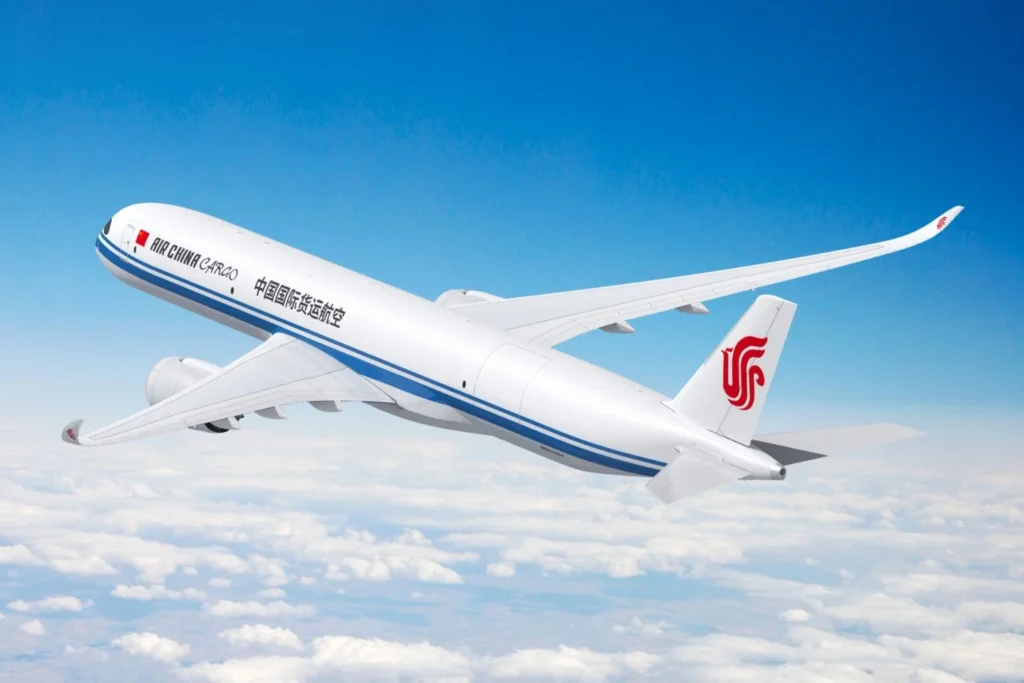
Air China plans to increase seating capacity on nonstop Beijing–Minsk flights by approximately 31.2% between 29 October and 9 November 2026. The airline will deploy a larger Airbus A330-300 while retaining two weekly departures in each direction.
The temporary substitution will raise capacity from 237 to 311 seats per flight, providing 74 additional places on each departure. It could improve availability for travellers arranging holidays, business visits and family journeys between China and Belarus.
The adjustment concerns aircraft capacity rather than additional flights. Its immediate significance lies in offering more seats within the route’s existing schedule.
Larger Aircraft Strengthens the Direct Connection
The Airbus A330-300 will replace the A330-200 scheduled for the connection between Beijing Capital International Airport and Minsk. Both aircraft belong to the Airbus A330 widebody family.
Under the specified configurations, the larger aircraft provides a substantial increase in passenger inventory. However, those seating totals apply to the planned operation and do not represent every configuration of either model.
At the stated frequency, the substitution adds 148 seats per direction during a full week of larger-aircraft operations. That equates to 296 additional seats across both directions.
The deployment lasts for a defined period. The supplied operating information does not confirm an extension beyond 9 November or a permanent equipment change.
Tourism Access Benefits From Nonstop Travel
The direct connection gives travellers an option for moving between the Chinese and Belarusian capitals without an intermediate flight connection. This can simplify itineraries for visitors combining accommodation, sightseeing and other travel arrangements.
For leisure passengers, additional seats may create more opportunities to travel within the affected dates. Business travellers and people visiting relatives could also benefit from increased availability.
However, the airline has not stated why it plans the substitution. The change alone does not establish a surge in tourism demand.
Its tourism relevance centres on access. More capacity can support visitor journeys when passengers find suitable fares, departure dates and accommodation.
Hotels, attractions and local transport businesses could benefit from any additional visitors using the service. Nevertheless, the schedule provides no forecast of passenger numbers or spending.
Flight Timings Support Advance Planning
The operating plan identifies CA721 as the Beijing-to-Minsk flight. It departs Beijing at 12:50 and arrives in Minsk at 17:10.
The return service, CA722, leaves Minsk at 19:00. It reaches Beijing at 08:00 the following day.
All listed times are local to the respective airports. The next-day arrival in Beijing matters when arranging hotels, meetings or onward journeys.
Travellers should account for the arrival date when building their itineraries. Those connecting to another flight should also review the available transfer time.
The larger aircraft does not change the destinations served. Beijing Capital and Minsk remain the endpoints of the existing nonstop connection.
More Seats Do Not Confirm Lower Fares
The increase gives Air China more seating inventory on affected departures. Whether passengers find greater availability will depend on bookings and how the airline manages remaining seats.
Additional capacity does not automatically produce cheaper tickets. The supplied information contains no announced fare reduction or promotional offer.
Travellers should therefore compare the full booking conditions alongside ticket prices. Baggage allowances, change policies and departure dates can influence the overall value.
For time-sensitive journeys, the twice-weekly frequency remains an important consideration. A larger aircraft offers more places, but it does not provide more departure options.
Passengers planning short visits should check that outbound and return services align with their intended stay.
Aircraft Changes May Affect Seat Choices
Travellers booked during the deployment window should review their reservations as departure approaches. Moving between aircraft configurations can affect seat maps and previously selected seats.
Passengers with preferred seating should check whether their assignments remain available. Those requiring assistance or particular arrangements should confirm the details with Air China.
Aircraft allocations can also change for operational reasons. The planned A330-300 deployment therefore remains subject to subsequent airline revisions.
Checking flight details before travelling to the airport can help passengers identify changes to equipment or timings.
Temporary Capacity Increase Defines the Outlook
Air China’s Beijing–Minsk adjustment offers a clear, limited expansion in available seats between late October and early November. It preserves the existing frequency while increasing capacity on each affected flight.
For travellers, the practical opportunity is greater choice within the announced operating window. Any longer-term tourism effect will depend on actual bookings and future airline decisions.
Further schedule announcements would clarify whether the higher-capacity aircraft will return or remain beyond the temporary deployment.
For more travel news like this, keep reading Global Travel Wire