Anantara Tented Camp Kafue River introduces an elevated accommodation concept in Zambia’s Kafue National Park, combining luxury suites with wilderness experiences. Its offering centres on river views, guided safaris and private accommodation within one of Africa’s largest protected landscapes.
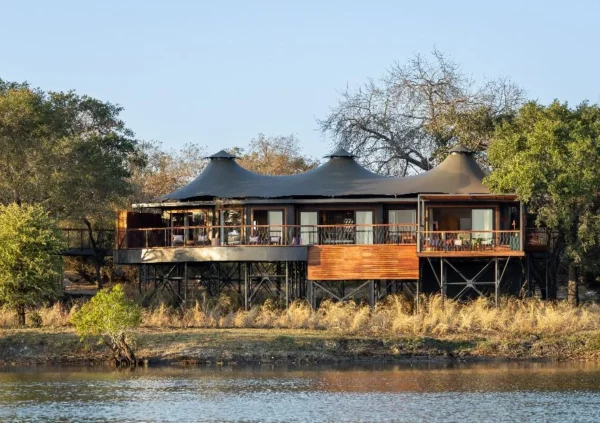
Designed by Meg Ralph Spaces, the property features 13 accommodation units positioned on raised timber and rosewood platforms. Solar power forms part of its operating approach, alongside a design intended to preserve wildlife movement beneath the structures.
For international visitors, the camp adds another option for a Zambia holiday built around nature, comfort and personalised exploration.
Elevated Design Shapes the Guest Experience
The camp’s platforms rise between 3.5 and 14.3 metres above the ground. Their height gives guests an elevated perspective over the surrounding bush and river landscape.
The design also seeks to allow wildlife to move beneath the accommodation. This places the relationship between buildings and the surrounding habitat at the centre of the property’s architectural concept.
Raised accommodation creates a distinctive setting for a safari stay. Guests can experience the landscape from their suites as well as during guided excursions.
However, the design’s stated objectives should remain separate from measured conservation outcomes. The supplied information does not establish an independently assessed ecological impact.
Suites and Villas Offer Different Stay Options
The accommodation range includes Horizon Terrace Suites, Bush Pool Villas, Kafue Pool Villas and an Anantara Presidential Villa.
Horizon Terrace Suites measure approximately 65 square metres and feature glass-elevator access and star beds. These elements connect the accommodation experience with elevated views and outdoor relaxation.
The pool villas provide approximately 115 square metres of space. Private heated plunge pools add another option for time spent at the property between excursions.
The Presidential Villa extends to approximately 400 square metres, with boat access and river-viewing platforms. Its larger footprint offers a different accommodation choice for travellers prioritising additional private space.
Together, the categories give visitors several ways to structure a wilderness stay.
Game Drives and River Safaris Broaden Exploration
The camp’s described activities include twice-daily game drives led by guides, river safaris and bush picnics. Wellness treatments provide an additional element beyond wildlife excursions.
Combining land and river activities can give guests different perspectives on the park. Game drives explore terrestrial habitats, while river journeys place the waterways at the centre of the experience.
Bush picnics extend time outdoors, allowing meals to become part of the itinerary. Meanwhile, wellness options provide opportunities to unwind between scheduled activities.
The range could appeal to travellers seeking a varied safari holiday. Visitors should confirm activity arrangements when booking, particularly where conditions influence operations.
Kafue’s Scale Underpins the Destination Appeal
Kafue National Park covers approximately 22,400 square kilometres. Its landscape includes floodplains, woodlands and river systems, creating varied settings for wildlife-focused travel.
That geographical range gives the destination an appeal extending beyond an individual lodge. Visitors can encounter different habitats during their journey through the wider park.
For Zambia tourism, accommodation within this setting can help connect international demand with wilderness experiences. The camp’s hospitality offering provides one way to organise such a visit.
Nevertheless, a property description alone cannot establish increased arrivals, longer stays or additional tourism revenue. Those effects would require booking and operating data.
Solar Power Adds an Operational Dimension
The property’s described energy system uses solar generation and battery storage. This approach supports operations in a remote setting while reducing reliance on conventional fuel-based power.
For travellers interested in sustainability, energy infrastructure can form part of their accommodation assessment. It sits alongside questions about wildlife practices, resource use and local relationships.
The supplied material does not provide a verified emissions assessment. Consequently, specific carbon-reduction percentages cannot establish the camp’s environmental performance.
The clearer development is the integration of renewable electricity into its stated operating model.
Luxury Travel Opportunity Extends Beyond Accommodation
The camp brings together architecture, private space, guided activities and wellness within a single safari concept. Its tourism appeal depends on how consistently those elements work together.
Guests seeking a quieter itinerary may value time at the property alongside excursions. Others may prioritise the combination of river exploration and game drives.
For Zambia’s hospitality sector, the development highlights the potential to package wilderness travel through distinctive accommodation and varied experiences.
Its longer-term contribution will depend on visitor demand, service delivery and demonstrable benefits for the surrounding environment and communities. For travellers, the immediate attraction is a luxury safari stay shaped around Kafue’s river and bush landscapes.
For more travel news like this, keep reading Global Travel Wire