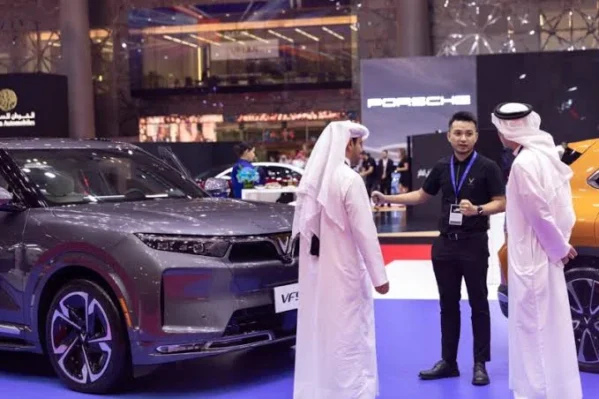
The Qatar Motor Show has showcased vehicles that could broaden future choices for hotel transfers and self-drive holidays. However, no confirmed tourism fleet purchases or rental partnerships accompany the exhibition.
Al Abdulghani Motors presented five Toyota and Lexus models at the Lexus Main Showroom in Doha from 7 to 10 October 2026. The lineup included the Toyota Land Cruiser FJ, Toyota Hilux, Toyota bZ4X, Lexus ES and Lexus RZ.
For hospitality and transport businesses, the event offered an opportunity to assess vehicles for potential visitor services. For travellers, showroom availability remains distinct from a transfer or rental they can book.
Electric Models Create Options for Hospitality
The Toyota bZ4X Touring and Lexus RZ 500e provide the clearest electric examples within the travel-focused discussion. Both have dedicated Qatar product listings, establishing their presence in the local market.
The bZ4X Touring is presented as fully electric, while the RZ 500e is marketed as an electric luxury SUV.
These vehicles could attract interest from hotels, chauffeur operators and rental businesses considering electric transport. Nevertheless, product listings do not establish their deployment in tourism services.
Any future passenger benefit would depend on operators purchasing vehicles and creating dependable, clearly described booking arrangements.
Visitor Growth Strengthens the Transport Context
Qatar welcomed 5.1 million international visitors in 2025, according to Qatar Tourism. That represented growth of 3.7% compared with 2024.
Accommodation performance also strengthened. Room nights sold reached 10.8 million, an increase of 8.6%, while accommodation revenue rose 12% to QAR8.3 billion.
These national figures demonstrate the scale of Qatar’s visitor economy. They are neither motor show attendance figures nor measures of demand for electric transport.
However, they explain why the onward journey deserves attention. Visitors need transport between airports, accommodation, attractions and other destinations throughout their stay.
Hotel Transfers Depend on Operational Readiness
For hotels assessing electric transfers, vehicle suitability begins with passenger numbers, luggage capacity and daily journey requirements. A premium vehicle must also fit the practical demands of the service.
Operators would need to plan charging between assignments and allow for flight delays or overlapping pickups. Charger availability would become part of operational scheduling.
The Lexus RZ 500e’s local listing confirms a vehicle option, but it announces no hotel or airport-transfer agreement.
Consequently, travellers should rely on the transport details included in their booking confirmation. A showroom launch alone does not establish which vehicle will collect them.
Self-Drive Holidays Need Clear Rental Conditions
Electric self-drive travel requires more than access to a vehicle. Visitors also need understandable charging arrangements and clear rental conditions.
A complete offer would explain insurance, assistance, charging payment methods and the required battery level at return. It should also identify compatible charging facilities.
The Toyota bZ4X Touring listing includes a test-drive enquiry option. That retail service does not confirm tourist rental inventory.
Rental businesses considering the model would need to provide instructions that help unfamiliar drivers use it confidently. Those details would influence convenience and the overall cost of a holiday rental.
Charging Infrastructure Shapes the Opportunity
Qatar’s electricity and water authority, KAHRAMAA, announced updated electric vehicle charging procedures on 28 October 2025. The framework covers installation and operation across several property categories.
The announced procedures include prior approval, applications through certified electrical contractors and connection to KAHRAMAA’s smart platform. They also place safety, operation and maintenance responsibilities on charging-station owners.
For hospitality businesses, charging therefore involves infrastructure planning alongside vehicle selection.
Visitors using a hotel charger would need clear information about compatibility, access hours and availability. A functioning, accessible facility would make the service more useful than an installation announcement alone.
Tourism Value Will Depend on Bookable Services
The potential commercial opportunity extends across hotels, rental firms, chauffeur companies and charging providers. Each would need to assess costs and customer demand before investing.
Qatar Tourism’s direction for 2026 includes sustainable growth and service excellence within the wider context of Qatar National Vision 2030. That provides policy context without committing tourism operators to particular vehicles.
The exhibition does not establish new tourism revenue, jobs or airport transport contracts. Such outcomes would require confirmed agreements or operating evidence.
Its immediate contribution is expanding the vehicle choices businesses can evaluate. The next meaningful development for travellers would be a confirmed electric transfer or rental service with transparent terms.
Until then, the Qatar Motor Show offers a view of possible visitor transport options, rather than an announced tourism fleet.
For more travel news like this, keep reading Global Travel Wire