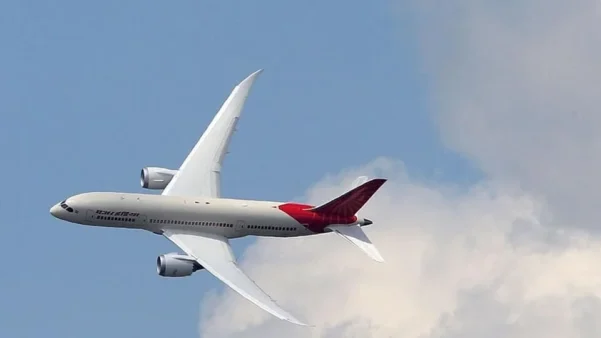
Air India flight AI2030, travelling from Frankfurt to Delhi, reportedly diverted to Jaipur on 14 October 2026 following a security alert. The Boeing 787-9 landed at approximately 9.35 am local time, according to the information provided.
All 306 passengers reportedly disembarked safely. Security personnel moved the aircraft to an isolation bay and conducted precautionary checks involving the aircraft, passengers and baggage.
The aircraft reportedly transmitted Squawk 7500, a transponder code associated with unlawful interference. However, the circumstances behind the reported transmission remain unresolved in the available account.
The diversion interrupted an international journey scheduled to end at Delhi’s Indira Gandhi International Airport. Onward arrangements and the final inspection outcome were not established in the supplied information.
Safe Landing Followed by Security Screening
Following arrival, the aircraft underwent inspections away from routine passenger operations. The isolation arrangement allowed security teams to assess the situation while managing access to the aircraft.
Passenger and baggage screening formed part of the precautionary response. These measures addressed the reported warning while authorities examined what had prompted it.
However, an emergency response does not itself establish that a hijacking occurred. It also does not confirm the presence of an explosive device.
The account describes safe disembarkation as the immediate passenger outcome. It provides no confirmed time for a replacement departure or subsequent arrival in Delhi.
For affected travellers, those missing operational details determine how quickly they can resume their journeys.
Reported Alert Requires Further Clarification
The reported use of Squawk 7500 is central to understanding the diversion. Nevertheless, the transmission alone cannot explain the circumstances onboard.
The supplied account raises possible inadvertent activation as one explanation. That possibility remains unconfirmed and should not become a definitive finding about crew conduct.
Similarly, differing descriptions of a security threat cannot establish its nature without a clear investigative outcome.
The key questions concern the sequence of events, communications with air traffic control and findings from the inspections.
Until authorities clarify those matters, the incident requires careful distinction between a reported alert and an established security breach.
Connecting Passengers Face Onward Travel Uncertainty
An unexpected arrival in Jaipur can complicate itineraries built around a Delhi landing. Connecting flights, airport pickups and onward transport may require changes.
For international visitors, delays can also affect hotel check-in, prepaid transfers and scheduled sightseeing. The consequences depend on individual bookings and revised travel arrangements.
Passengers continuing beyond Delhi need confirmation of their onward flight status. Those travelling on separate tickets should contact the relevant carrier about available options.
Families and drivers waiting at Delhi airport also need revised arrival information before adjusting collection plans.
The available account does not establish that all passengers experienced the same disruption or required identical assistance.
Airline Updates Matter During Irregular Operations
Clear communication becomes especially important when security checks interrupt a long-haul journey. Travellers need instructions about where to wait and when further information will become available.
They also need confirmation about baggage handling and whether the airline will arrange onward flights or ground transport.
Passengers should seek those details from airline staff before making independent arrangements. Written confirmation can help clarify changes to an existing booking.
Retaining boarding passes, booking records and receipts may also help when discussing additional expenses with the responsible travel provider.
However, the supplied information does not establish a specific entitlement to reimbursement, accommodation or compensation for this incident.
Tourism Businesses May Need to Adjust Bookings
For hotels, transfer operators and tour organisers, an altered arrival airport creates practical scheduling challenges. Providers may need to revise collection times or rearrange activities.
Travellers should communicate confirmed changes as soon as possible. This gives businesses a clearer basis for assessing available alternatives.
A delayed arrival may shorten a first-day itinerary, particularly when onward rail or domestic flights form part of the holiday.
Nevertheless, the diversion does not establish widespread disruption across Delhi or Jaipur airports. Nor does it indicate a broader suspension of international services.
Its immediate travel impact concerns the affected flight and the arrangements connected to those passengers’ journeys.
Investigation Outcome Remains the Key Next Step
The Air India Jaipur diversion leaves two separate priorities: completing affected passengers’ journeys and establishing why the alert occurred.
The information supplied describes a safe landing and safe disembarkation, alongside precautionary security screening. It does not provide a final investigative determination.
Further operational updates should clarify onward travel, aircraft status and the outcome of the checks. Those details will define the incident’s full consequences for passengers and airline operations.
For more travel news like this, keep reading Global Travel Wire