African airlines are reassessing flight schedules and developing partnerships as they prepare their networks for 2027. For international travellers, these decisions put connection options, journey times and destination access firmly in focus.
The developments outlined involve Kenya Airways, Ethiopian Airlines, TAAG Angola Airlines, South African Airways and Africa World Airlines. They span long-haul capacity planning, connecting services and regional route restoration.
However, the supplied information does not establish one coordinated announcement across these carriers. Each development concerns a separate network, commercial relationship or proposed scheduling change.
For tourism businesses, the practical issue is how individual adjustments affect bookable journeys. Hotels, tour operators and attractions depend on visitors reaching destinations through convenient, dependable air connections.
Airline Partnerships Support Wider Destination Access
Partnerships allow airlines to offer connections beyond the destinations they serve with their own aircraft. This approach can help travellers assemble international and regional flights within one itinerary.
Nevertheless, the benefits depend on the agreement and ticket purchased. A codeshare does not automatically establish identical baggage allowances, flexible changes or loyalty benefits across every journey.
For visitors planning holidays across several countries, these details matter. Connection times, operating airlines and ticket conditions can influence both the experience and total travel cost.
Consequently, tourism sellers need to explain the complete journey clearly. Promoting a destination requires more than identifying an available international gateway.
Angola–Brazil Links Highlight Connecting Opportunities
The supplied material describes a TAAG Angola Airlines partnership with LATAM Brasil, linking Luanda services with onward travel through São Paulo–Guarulhos.
The tourism opportunity centres on combining an intercontinental flight with domestic connections in Brazil. Such arrangements can broaden itinerary choices beyond the arrival city.
They also give travel businesses a framework for developing holidays involving destinations across different regions. However, the number of available connections depends on the flights included in the agreement.
Travellers should therefore confirm which onward sectors they can purchase together. They should also check baggage arrangements and the conditions applying to connections.
For Angola, connecting traffic presents an opportunity to strengthen Luanda’s position within journeys between Africa and South America.
Johannesburg Partnerships Matter for Regional Tourism
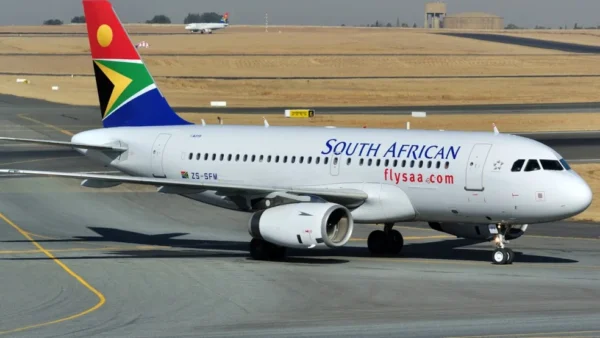
South African Airways and Emirates feature in the material through their codeshare relationship and onward connections from Johannesburg.
The destinations highlighted include Kinshasa, Gaborone, Windhoek, Lusaka, Harare and Victoria Falls. These gateways serve different business and leisure travel markets across the region.
For holidaymakers, regional connections can support itineraries combining a major international arrival point with further destinations. This matters particularly when visitors have limited time.
However, passengers need to confirm current availability for their chosen dates. A partnership announcement alone does not establish that every connection operates daily.
Tour operators also need sufficient transfer time when combining flights with accommodation, ground transport and scheduled excursions.
West African Connections Offer Shorter Itineraries
The supplied account also describes Africa World Airlines restoring direct flights between Accra and Abidjan following an extended interruption.
Direct regional services can simplify travel between neighbouring markets by removing the need for an intermediate airport stop. That can make shorter visits easier to organise.
For tourism and hospitality businesses, convenient access supports both leisure breaks and business-related stays. Travellers can assess flight times alongside hotel availability and local activities.
However, the information supplied does not specify the restored service’s frequency or provide a current operating timetable.
Those details remain essential before travellers commit to accommodation or other arrangements that depend on a particular flight.
Long-Haul Changes Require Careful Trip Planning
The material identifies a proposed seasonal pause affecting Ethiopian Airlines’ Atlanta service and adjustments involving Kenya Airways’ Gulf connections.
It also contains claims about foreign airline withdrawals and nationality-based crew restrictions. Without supporting announcements, those details cannot reliably establish the scale of any resulting disruption.
Travellers considering affected routes should check the schedule attached to their booking. Future flight programmes can change as airlines revise capacity and operational plans.
A seasonal suspension also differs from a permanent withdrawal. That distinction matters when tourism businesses assess future access and communicate with customers.
Tourism Impact Depends on Practical Travel Choices
African airline connectivity will influence how visitors combine international gateways, regional cities and holiday destinations during 2027.
Partnerships can expand itinerary options, while schedule changes can alter departure choices and connection times. Neither development alone establishes a measurable increase or decline in tourism demand.
For travellers, the most useful information remains specific: operating dates, available flights, total fares and ticket conditions.
For destinations, clear communication about those details can help turn airline network opportunities into workable visitor journeys.
For more travel news like this, keep reading Global Travel Wire