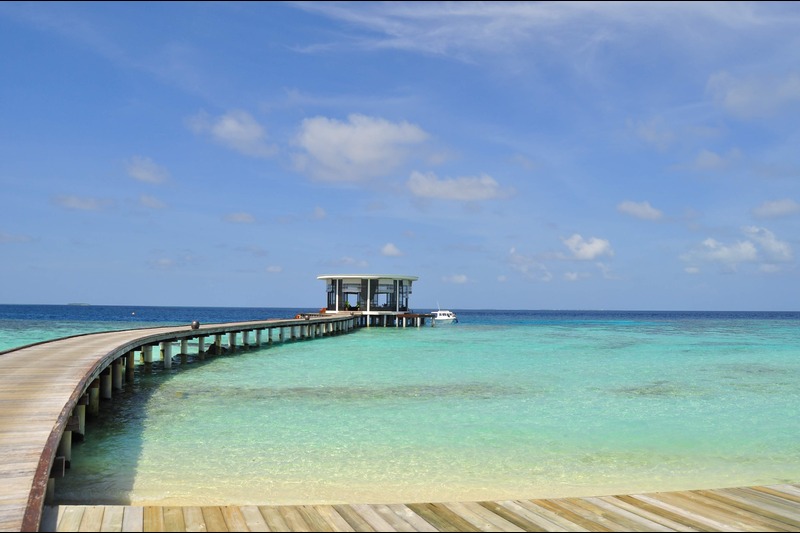
The Maldives has long been a favourite for Indian honeymooners, but the destination is increasingly attracting a different kind of visitor: families planning a special celebration, relatives travelling together and couples looking for a quick island getaway. Marriott International is responding to this changing demand by strengthening its presence in the Indian market and adapting its resort offerings to suit a wider range of travellers.
The strategy comes as India gains importance for the Maldives tourism industry. With convenient flight connections and visa-free entry, the island destination offers Indian holidaymakers an accessible international escape. Marriott is now looking beyond traditional honeymoon bookings, positioning its Marriott Maldives portfolio to capture more demand for family holidays, festive breaks and repeat visits.
India Emerges as a Key Market for Maldives Tourism
The Maldives experienced a decline in visitor arrivals after the Middle East crisis began in March 2026, as some European and American travellers who depended on Gulf transit hubs changed their plans. According to Marriott, arrivals have since moved close to normal levels, although the mix of source markets has changed, with India helping to support the recovery.
Silvio Rosenberger, Marriott International’s market vice president for the Maldives and vice president of operations for Asia Pacific excluding China, told Skift that Indian visitors are becoming increasingly important to the destination’s recovery.
India ranked sixth among the Maldives’ source markets in 2025, recording 112,229 arrivals, broadly unchanged from the previous year. By August 2026, arrivals from India had reached approximately 76,000, according to the report.
The opportunity extends beyond the country’s largest metropolitan areas. Demand is also emerging from cities such as Hyderabad, Bengaluru and Ahmedabad, broadening the potential customer base for the Maldives’ hospitality sector.
Resorts Adapt to Changing Indian Travel Preferences
Marriott’s approach reflects a shift in how Indian guests plan and experience their holidays. Rather than focusing primarily on couples, resorts are increasingly catering to families and multigenerational groups travelling for birthdays, reunions, Diwali celebrations and other special occasions.
To accommodate these guests, the company is expanding the appeal of its Maldives resorts through larger accommodation options, including two- and three-bedroom villas, alongside improvements to existing properties. Food is another important consideration, with resort kitchens being prepared to meet specific dietary requirements, including Jain cuisine.
Booking behaviour is changing, too. Rosenberger told Skift that the planning window has shortened considerably, moving from around six months in advance to requests made as late as the day before arrival. This trend highlights the importance of flexibility for hotels seeking to capture last-minute demand and spontaneous short breaks.
The duration of stays also varies by traveller. Couples may visit for around two nights, while families often extend their holidays by a day or two. For resort operators, this creates an opportunity to develop packages and experiences suited to different budgets, group sizes and travel occasions.
Strengthening Sales and Future Growth
Marriott has stepped up its engagement with Indian travel professionals through a dedicated destination sales role and direct outreach to travel agents. The company’s Maldives resort representatives have also travelled to India to strengthen industry relationships and promote the destination’s expanding range of holiday experiences.
Accessibility remains a significant advantage. The Maldives benefits from around 50 direct flights a week from India, while travellers do not require a pre-arrival visa. These factors make the destination particularly attractive for shorter international holidays compared with more distant long-haul options.
Marriott is also preparing for further expansion in the market, with Bulgari Resort Maldives scheduled to open in 2027, adding another luxury offering to its portfolio.
Outlook: Beyond the Traditional Honeymoon Market
For Marriott, the next phase of growth in the Maldives will depend on making the destination relevant to travellers who may not previously have considered it for anything beyond a honeymoon. Family celebrations, repeat visits and quick escapes offer new ways to attract Indian guests throughout the year.
The broader shift could also reshape how the destination markets itself. By combining easier access with family-friendly accommodation, tailored dining and more flexible travel options, the Maldives can appeal to a wider range of Indian holidaymakers. Marriott’s strategy reflects that changing landscape: the challenge is no longer simply to attract first-time visitors, but to give travellers more reasons to return.