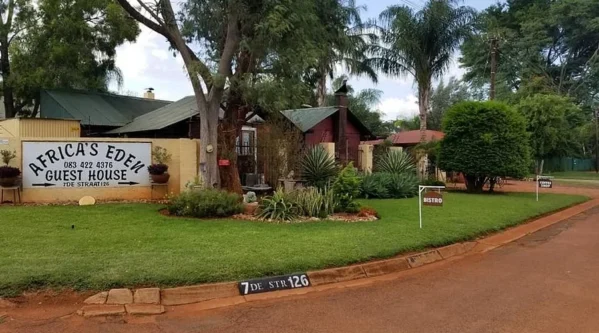
South Africa’s accommodation market recorded stronger demand in July 2026, with guesthouses, guest-farms and alternative lodging outperforming hotels on revenue growth. However, weaker camping income highlights an uneven recovery across accommodation types.
Guesthouse and guest-farm revenue increased by 28.2% compared with July last year. The category covering lodges, bed-and-breakfast establishments and self-catering accommodation grew by 15.7%, while hotel income increased by 0.8%.
These differences give tourism businesses a clearer view of where accommodation spending expanded. They also highlight the importance of examining individual property categories alongside national performance.
For travellers, the figures underline the variety of accommodation supporting holidays across South Africa, from independent stays to established hotels.
Guesthouses Record the Strongest Revenue Increase
The guesthouse and guest-farm category delivered the largest July revenue increase among the accommodation groups described. Its performance brings attention to smaller hospitality businesses serving different destinations and travel purposes.
Such properties can offer access to countryside locations, smaller communities and regional attractions. However, the category’s growth does not establish that every guesthouse operates rurally.
Likewise, revenue growth alone cannot reveal why customers selected these properties. Higher occupancy, changing prices and differences in available accommodation can all affect earnings.
The figures therefore support a clear conclusion about category performance. They do not independently prove that travellers worldwide have permanently changed their accommodation preferences.
Self-Catering and Lodges Add Momentum
The broader alternative accommodation category also recorded substantial revenue growth, combining several distinct hospitality formats.
Self-catering properties can suit families and groups seeking kitchen facilities and flexible daily routines. Lodges and bed-and-breakfast establishments offer other combinations of location, service and guest experience.
However, combining these properties within one statistical category limits conclusions about individual formats. The overall increase cannot establish that eco-lodges or boutique properties accounted for most growth.
For destination businesses, the result nevertheless highlights demand across accommodation options beyond conventional hotels. It also reinforces the importance of understanding customers at property level.
Higher Room Sales Support Activity
Stay-unit nights sold increased by 7.4% year-on-year during July. Meanwhile, average income per stay-unit night sold declined by 0.3%.
Together, those measures indicate stronger sales volumes alongside a slight easing in average income per occupied unit.
However, the average does not establish that every traveller paid less. Changes in the mix of accommodation sold can influence the national result.
A greater proportion of bookings at lower-priced properties, for example, can affect average earnings without widespread reductions at individual establishments.
Travellers comparing holidays should therefore assess actual prices, inclusions and location. National accommodation averages cannot predict the cost of a specific itinerary.
Camping Faces a Different Trading Environment
Caravan parks and camping sites recorded a 19.7% year-on-year decline in accommodation revenue during July.
That result contrasts sharply with guesthouse and alternative accommodation growth. It shows why stronger national travel activity does not guarantee improved trading for every operator.
However, the revenue decline alone cannot establish its causes. Weather, pricing, capacity and booking volumes would require separate examination.
Similarly, the figures do not demonstrate that campers collectively switched to chalets or guesthouses. Establishing that movement would require evidence about customer choices.
For outdoor tourism businesses, the immediate implication concerns weaker earnings within their accommodation category during the measured period.
Three-Month Growth Provides Broader Context
Accommodation income increased by 4.1% during May–July 2026 compared with the corresponding period a year earlier.
This broader measure helps place July’s category differences within a longer trading window. Nevertheless, three months cannot establish a permanent restructuring of the hospitality market.
Hotels’ modest July revenue growth also needs context. A lower percentage increase does not indicate a smaller business base or prove declining market share.
Assessing competitive positions requires revenue totals, available capacity and performance over comparable periods.
For tourism planners, those distinctions help separate short-term movements from changes that could influence accommodation supply and destination development.
Local Tourism Benefits Depend on Business Connections
Accommodation activity creates opportunities for food suppliers, transport providers, guides and other businesses connected to visitor spending.
Smaller properties can link guests with nearby restaurants, cultural activities and independent excursions. However, accommodation revenue figures cannot quantify those wider benefits independently.
Employment gains and community income require their own supporting measurements.
South Africa’s July performance ultimately presents a varied hospitality picture: stronger room sales, substantial guesthouse growth and weaker camping revenue.
For the tourism industry, the priority is understanding those differences and matching services with the travellers each destination actually attracts.
For more travel news like this, keep reading Global Travel Wire