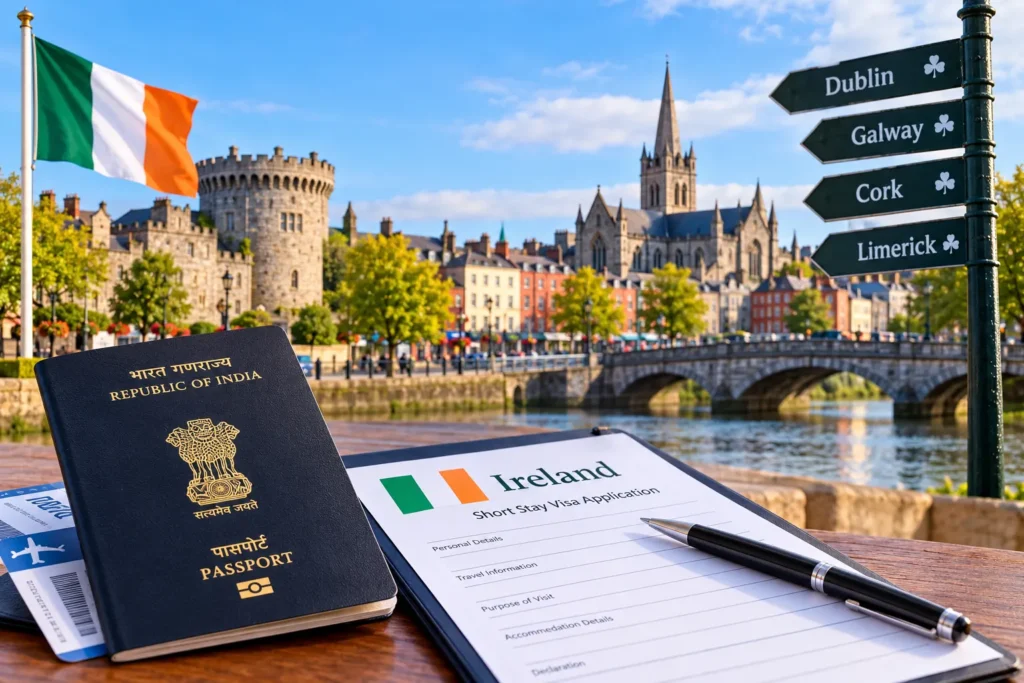
International mobility is undergoing its most profound structural modernization in decades. As sovereign governments replace legacy ink passport stamps with automated biometric capture and mandatory digital clearances, the worldwide tourism sector faces a completely transformed operational landscape. Official ministerial statements and regional border authorities confirm that manual border discretion has given way to algorithmic verification, setting a new benchmark for cross-border transit, international tourism governance, and visitor compliance.
The foundation of this shift rests on major institutional deployments designed to bolster border security while maintaining transparent visitor flows. The European Union has brought its comprehensive Entry/Exit System into operational status across external Schengen checkpoints, replacing traditional physical endorsements with automated biometric facial and fingerprint records. This infrastructure is paired with the forthcoming European Travel Information and Authorisation System, which requires visa-exempt holidaymakers and commercial visitors to obtain digital pre-travel clearance prior to embarkation. Concurrently, the United Kingdom Home Office continues its nationwide rollout of the Electronic Travel Authorisation, mirroring established global protocols such as the United States Electronic System for Travel Authorization.
Collectively, these government initiatives represent a decisive shift toward proactive immigration management. Where border control once depended on physical inspections at immigration counters, sovereign entry systems now screen and evaluate travellers well before they board a flight or sea vessel.
The Elimination of Informal Short-Stay Ambiguity
For generations, the enforcement of standard short-stay parameters across major tourism corridors was inherently fragmented. International visitors navigating regional travel zones often tracked their own durations, with immigration officers calculating permitted stays by reviewing chronological ink stamps.
Under automated digital border systems, that ambiguity has been eliminated. In the Schengen area, the statutory threshold permitting non-resident stays of up to 90 days within any rolling 180-day window is now calculated automatically by centralized databases. Every crossing at an external land, sea, or air checkpoint logs entry and exit timestamps instantaneously. The automated ledger computes cumulative duration across multiple member states without relying on manual passport reviews.
For international tourism boards, tour operators, and global business travellers, this automation brings immediate operational clarity. Travellers who split long holidays across multiple partner countries, or individuals conducting repeated short-term commercial tours, can no longer rely on informal estimates. The system flags overstays instantly upon exit or entry, reinforcing statutory limits and ensuring equitable adherence to sovereign immigration acts.
The Operational Shift to Upstream Verification
A defining characteristic of the new border framework is the movement of clearance procedures upstream into early journey planning. Official civil aviation and consular guidance underlines that digital travel authorizations are mandatory conditions of carriage, not optional administrative formalities.
Airlines and maritime carriers are legally bound to confirm valid authorization records before permitting passengers to board. If a digital entry permit is absent, unlinked, or flagged with mismatched biometric details, the carrier must deny boarding at origin. Consequently, destination management companies, corporate travel coordinators, and independent tourists must integrate document verification directly into initial booking workflows.
This upstream migration also impacts the long-standing distinction between permissible tourist activities and local labor engagement. Official national guidelines have consistently maintained clear lines separating permitted visitor interactions, such as attending international expos, trade conventions, or exploratory tourism, from gainful employment requiring dedicated work visas. Automated data collection provides immigration departments with a transparent, consolidated view of entry frequency and cumulative presence, ensuring that visitors use appropriate visa categories aligned with their stated itinerary purposes.
Structural Adjustments for Global Travel and Tourism Organizers
The transition toward fully automated immigration systems requires strategic adaptation across the international tourism and hospitality ecosystem. Industry stakeholders, event planners, and multi-destination travel operators are adjusting standard operating models to maintain seamless cross-border mobility.
First, comprehensive itinerary monitoring has become central to tour and travel planning. Organizations managing cross-border delegations, seasonal tourism circuits, or multi-hub cultural tours must maintain accurate records of individual travel footprints to avoid unintentional overstays under regional 90-day formulas.
Second, traveler education is expanding rapidly. Many inadvertent border delays arise from simple administrative misunderstandings regarding application lead times, processing requirements, and official government portal verification. Clear, upfront public notices issued by national tourism ministries ensure that international visitors submit documentation through legitimate government channels well ahead of departure deadlines.
Third, travel logistics systems are preparing for broader international data interoperability. As sovereign jurisdictions expand electronic authorisations and biometric entry-exit gates, government platforms are increasingly designed to communicate with standardized passenger name record systems and international security registers.
Building a Resilient, Technology-Driven Tourism Economy
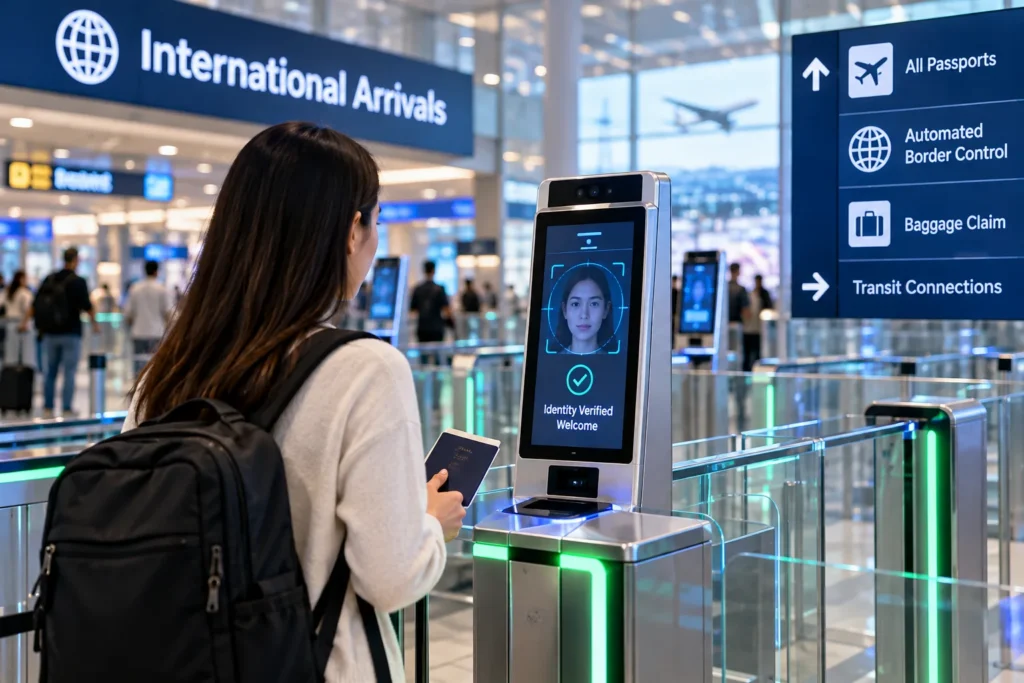
Sovereign immigration authorities and world tourism ministries emphasize that digital border transformations are ultimately intended to facilitate lawful, high-volume travel while mitigating security risks. Automated biometric e-gates expedite clearance for compliant passengers, reducing physical queue times at major transit hubs and allowing border personnel to focus resources on specialized security assessments.
The transition from physical ink stamping to algorithmically monitored digital borders marks a permanent evolution in international mobility. For holidaymakers, international conference delegates, and travel organizers, success in this new environment requires meticulous pre-travel planning, complete administrative transparency, and early adherence to digital entry mandates. By aligning travel itineraries with automated border infrastructure, the international tourism community ensures smooth, predictable, and compliant transit across the world’s most dynamic travel corridors.
For more travel news like this, keep reading Global Travel Wire