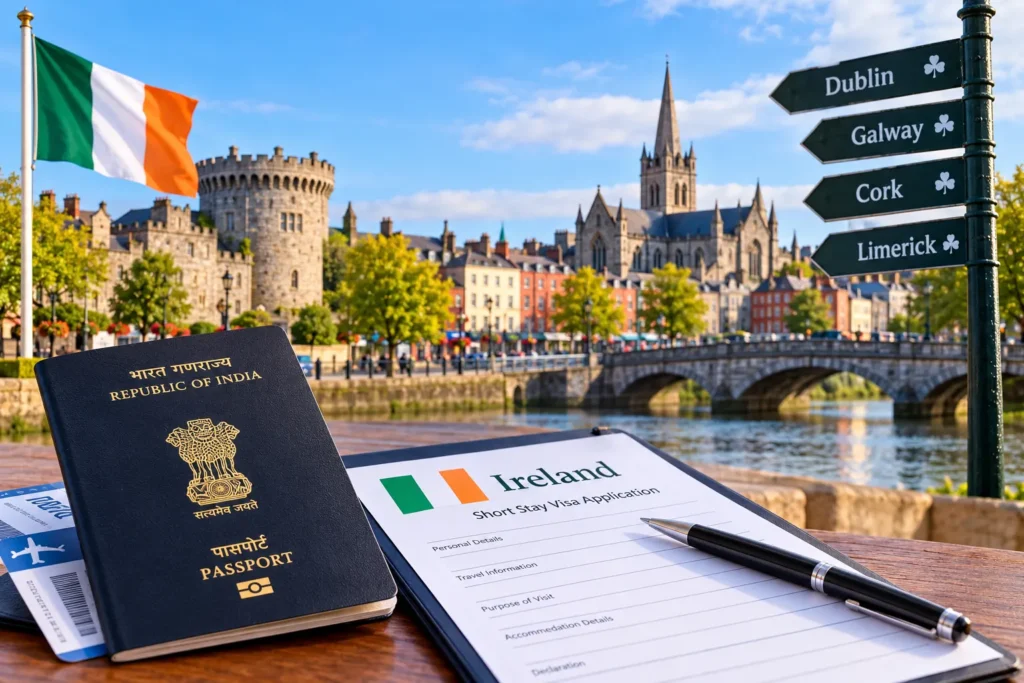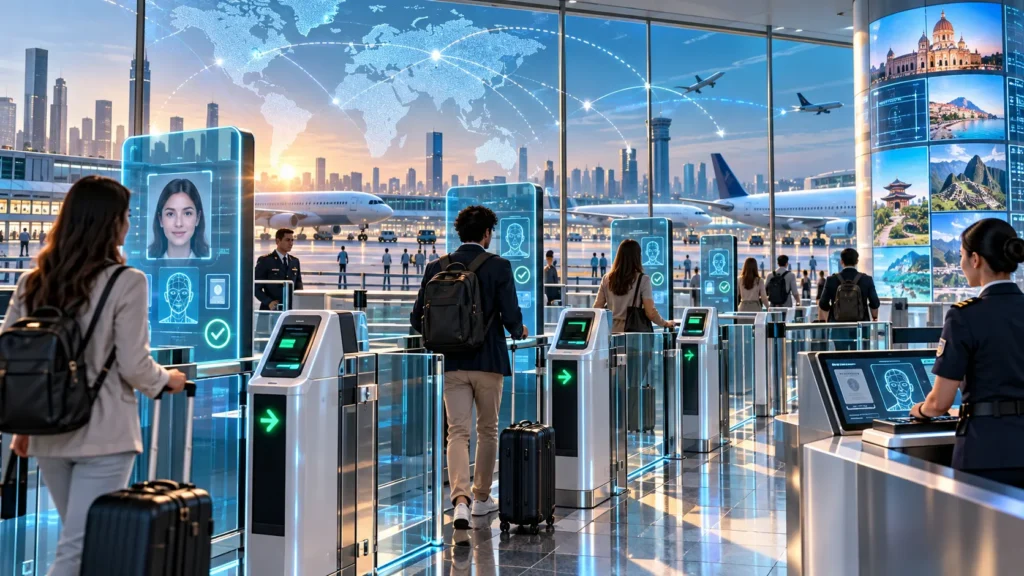
Global tourism is witnessing an unprecedented technological transformation as aviation authorities, border agencies, and commercial carriers seek unified digital solutions to manage soaring cross-border arrivals. With international departures rebounding beyond historical benchmarks, regulatory divergence across destination countries has created significant operational bottlenecks for travellers and airport personnel alike. In response to these complex border dynamics, next-generation travel technology ventures are stepping in to re-engineer documentation verification directly at the point of booking, turning once-cumbersome consular procedures into seamless digital workflows.
The Growing Complexities of Post-Pandemic Cross-Border Mobility
International passenger movements require strict adherence to diverse immigration mandates, ranging from sovereign visa rules and digital arrival cards to electronic travel authorisations. During global health crises and subsequent travel resurgences, tourism ministries and consular affairs offices worldwide revised entry guidelines at an extraordinary frequency. For individual leisure seekers, families, and business delegations, keeping track of shifting entry criteria proved overwhelming.
The origin of Intellivisa, an emerging digital travel clearance platform, stems from this shared international reality. Founded by technologists Sudeepa Singh, an IIT-Kanpur alumnus with a background in machine learning and data architecture, and Srijan Magon, an aerospace engineer with extensive operational exposure in student and family consular consulting, the initiative began when both founders experienced the stress of coordinating cross-border visits under volatile transit regulations.
Immigration requirements are never uniform. Every single transit itinerary involves a distinct matrix determined by the traveller’s nationality, passport validity, visa class, layover hubs, destination jurisdiction, and personal travel intent. For the global tourism economy, unverified paperwork leads to severe disruptions, including costly gate turnaways, flight delays, and administrative penalties imposed on carriers under sovereign border acts.
Transforming Travel Clearances Through Applied Artificial Intelligence
Recognising that standard manual form-filling software could not adequately solve regulatory complexities, the founders re-engineered their platform around autonomous artificial intelligence models. Rather than merely transcribing consular paperwork into digital templates, the platform continuously tracks international entry requirements, consular bulletins, and civil aviation transit rules across jurisdictions.
By operating through automated verification agents, the system validates the documentation profile of passengers before they ever set foot in a departure terminal. In October 2026, Intellivisa secured $3 million in pre-seed backing from specialized travel and technology investors, including United Airlines Ventures. This milestone reflects an industry-wide transition where major air carriers and tourism platforms seek to embed immigration compliance directly into digital itinerary systems.
Consular non-compliance carries heavy personal, logistical, and financial repercussions. When an international traveller is refused boarding due to an overlooked electronic permit or an expired travel declaration, the disruption reverberates across the tourism value chain. Hotel bookings are cancelled, local tour operators lose clients, and airlines face costly administrative repatriations. Providing accurate clearance verification during ticket issuance eliminates these systemic points of failure.
Integrating Pre-Travel Clearance into Commercial Tourism Infrastructure
The long-term objective of modern border technology is the creation of a universal digital clearance layer that works invisibly in the background of commercial travel reservations. Under this model, passenger booking systems coordinate in real time with national entry rules, advising passengers instantly on necessary consular paperwork, biometrics requirements, and destination declarations.
International tourism bodies and civil aviation authorities continue to champion “frictionless travel” initiatives that combine biometric identity verification, interoperable passenger data frameworks, and paperless electronic clearances. Current government travel portals—ranging from digital transit authorisations in North America and Asia-Pacific to automated entry-exit frameworks across Europe—demonstrate the growing global reliance on digital pre-screening.
However, because these sovereign portals operate independently, individual travellers must navigate multiple disconnected websites, entry forms, and processing portals. Platforms bridging these disparate regulations into a unified pre-departure clearance streamline the entire passenger journey. Such innovations relieve frontline airport agents from the role of ad-hoc immigration inspectors, allowing ground teams to concentrate on terminal safety and passenger service.
Bolstering the Global Tourism Economy
As international tourism authorities actively target higher inbound arrival numbers, eliminating procedural friction becomes a critical competitive advantage for travel destinations. Countries that adopt simplified, automated, and digitally integrated clearance protocols consistently experience smoother tourist flows, reduced congestion at international checkpoints, and greater visitor satisfaction.
By anchoring documentation validation within the initial ticket purchase, technology startups are systematically dismantling the primary barriers of modern long-haul tourism: administrative confusion and border anxiety. For passengers, the future of cross-border travel promises a seamless journey where entering a foreign destination is as straightforward and stress-free as boarding a domestic train. As these automated compliance systems scale across global airline networks, the global tourism industry moves significantly closer to a fully connected, borderless digital ecosystem.
For more travel news like this, keep reading Global Travel Wire