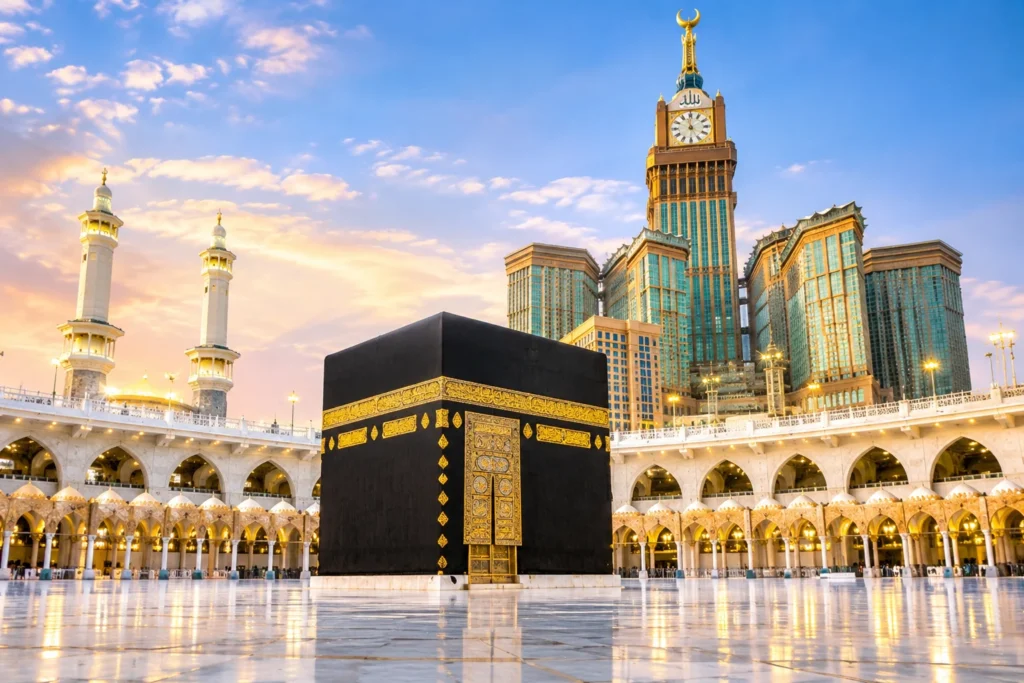
The Ministry of Interior of the Kingdom of Saudi Arabia issued an official release detailing the execution of two Bangladeshi nationals, identified as a man and a woman, following a court conviction for committing an indecent and immoral act inside a mosque within the holy city of Makkah. The judgment, handed down under discretionary judicial provisions and confirmed by the appellate and supreme judicial bodies, brought renewed global focus to the strict enforcement of legal frameworks and behavioral conduct across the Kingdom.
In official communications released through government channels, the Ministry affirmed its commitment to preserving the sanctity of religious sites and enforcing statutory decrees against any actions that violate places of worship. Concurrently, the Ministry of Foreign Affairs of Bangladesh noted via official representations that it had requested formal case documentation through standard consular channels to verify procedural records regarding its nationals.
These developments draw attention to the broader nexus between national governance, foreign labor guidelines, and the regulatory environment governing travel, pilgrimage, and leisure visitation across the country.
Sacred Sites and Public Decorum Frameworks
Under official statutes issued by the Ministry of Interior and municipal authorities, places of worship carry comprehensive legal safeguards designed to protect their spiritual and cultural sanctity. The Kingdom’s judicial framework applies stringent discretionary penalties for violations deemed sacrilegious or disruptive to religious sites.
For global travelers, pilgrims performing Hajj or Umrah, and expatriate workers, national administrative guidelines strictly define public decorum. Official public decency charters, overseen by municipal authorities and tourist security branches, prohibit unauthorized recording, disruptive behavior, and any inappropriate interpersonal conduct within holy precincts.
Government tourism guidelines highlight that the preservation of traditional values and respect for spiritual landmarks remain non-negotiable legal imperatives across all administrative regions.
Growth of the Tourism Sector Under Vision 2030
The enforcement of legal standards comes at a time when the Saudi Tourism Authority and the Ministry of Tourism are reporting historic expansions in inbound international arrivals. Driven by national economic diversification initiatives under Vision 2030, government data shows that the Kingdom welcomed over one hundred million domestic and international tourists ahead of original strategic target timelines.
Official master plans continue to advance premier destination developments, including the Red Sea international regenerative tourism coastal projects, the historical oasis of AlUla, and major entertainment capitals such as Qiddiya and Diriyah. Through the expansion of the multi-entry tourist eVisa scheme—covering travelers from dozens of eligible countries alongside GCC residents—the Saudi Tourism Authority has actively courted leisure, cultural, and adventure travel segments.
Government tourism releases highlight the nation’s dual mandate: opening its geographical and historical wonders to global markets while strictly upholding national sovereignty, public order, and sovereign legal codes.
Official Guidelines for International Travelers
To assist incoming visitors, the Ministry of Tourism and the Saudi Tourism Authority publish comprehensive travel advisories outlining rights, civic duties, and legal responsibilities.
Key provisions established by national authorities include:
Sanctity of Religious Spaces: Entry into the holy precincts of Makkah remains exclusively restricted to Muslim travelers and verified pilgrims. Within all religious structures across the Kingdom, modesty, silence, and strict adherence to designated worship areas are enforced by law.
Public Decency Regulations: First codified into official law by Royal Decree, the Public Decency Charter delineates permissible public attire, photography rules, and personal conduct. The regulations prohibit explicit clothing, vulgar gestures, intrusive public photography without consent, and inappropriate public displays of affection across general civic spaces.
Substance and Prohibited Goods Enforcement: Customs authorities maintain rigorous zero-tolerance inspections regarding narcotics, alcohol, and prohibited contraband at all international land, sea, and air borders, carrying severe administrative and legal penalties under anti-trafficking statutes.
Consular and Visa Compliance: Visitors are required to observe all terms of their specific visa class, whether issued for general leisure, business conferences, employment, or pilgrimage purposes.
Diplomatic Engagement and Standard Consular Protocols
In response to international judicial proceedings involving foreign citizens, official statements from diplomatic representatives emphasize the necessity of adherence to host country statutes while seeking standard bilateral transparency. Labor-sending countries, which collectively account for millions of documented expatriates contributing to key infrastructural, hospitality, and service projects, regularly coordinate with the Ministry of Human Resources and Social Development to distribute legal awareness materials to incoming personnel.
Consular divisions continue to emphasize that foreign nationals—whether entering for employment or leisure—fall directly under the jurisdiction of host courts and sovereign law.
Balancing Modern Tourism and Heritage Governance
The Kingdom’s approach to modern leisure integration balances the creation of specialized, ultra-luxury tourism zones with the preservation of historic religious traditions. Within integrated tourism zones along the Red Sea coast, visitors experience international-standard resort hospitality designed around sustainability and nature exploration. Simultaneously, government documentation reaffirms that core civil and criminal legislation remains universally applicable across sovereign territory.
As destination management organizations, international travel agencies, and official delegations navigate the rapid opening of the country’s tourism ecosystem, ministry releases continue to emphasize cultural awareness. By setting clear public expectations, official authorities seek to ensure that international visitors appreciate the country’s heritage while fully understanding the statutory standards governing public conduct and sacred spaces.
For more travel news like this, keep reading Global Travel Wire