Electric air taxis could eventually connect European airports, city centres, islands and coastal resorts, creating new options for premium travel. Projects across France, Italy, Britain, Germany and Spain are exploring aircraft, landing infrastructure and potential routes.
However, the developments described remain demonstrations, infrastructure initiatives or proposed networks. Travellers should not interpret earlier launch targets as confirmation that scheduled passenger services are available.
For tourism businesses, the potential lies in selected airport transfers and regional connections. Commercial operations still require certified aircraft, approved operators, suitable facilities and sustainable financing.
France Explores Paris and Riviera Connections
Paris has provided a prominent testing environment through cooperation between Volocopter and airport operator Groupe ADP.
A crewed VoloCity demonstration took place at Saint-Cyr-l’École in August 2024. It demonstrated flight capability under controlled conditions, while passenger operations remained dependent on further approvals.
Potential metropolitan connections could eventually offer visitors another way to reach selected destinations from airports.
Meanwhile, earlier French Riviera proposals envisioned electric flights linking Nice, Cannes and the Saint-Tropez area. Monaco also featured in the regional concept.
These destinations attract luxury visitors, festival audiences and seasonal resort demand. Nevertheless, the proposed network depended on Lilium aircraft, making its financial difficulties a significant obstacle to implementation.
Italy Develops Airport Transfer Infrastructure
Rome’s advanced air mobility work centres on Fiumicino Airport, involving Aeroporti di Roma, UrbanV and aviation authorities.
The Pianabella vertiport supports experimentation with infrastructure and operating procedures. Its March 2026 drone authorisation represented testing progress, rather than permission to carry paying passengers.
For international visitors, future airport connections could serve selected hotels, business locations and urban destinations.
Milan has pursued a proposed network involving Linate, Malpensa, CityLife and Porta Romana. Earlier plans identified four potential vertiports and approximately €33 million in initial investment.
However, the original 2026 service ambition does not establish a completed launch. Aircraft approvals, infrastructure readiness and operating permissions must align.
Britain Tests Aircraft and Passenger Facilities
Britain’s development programme combines aircraft engineering with research into future airport and regional connections.
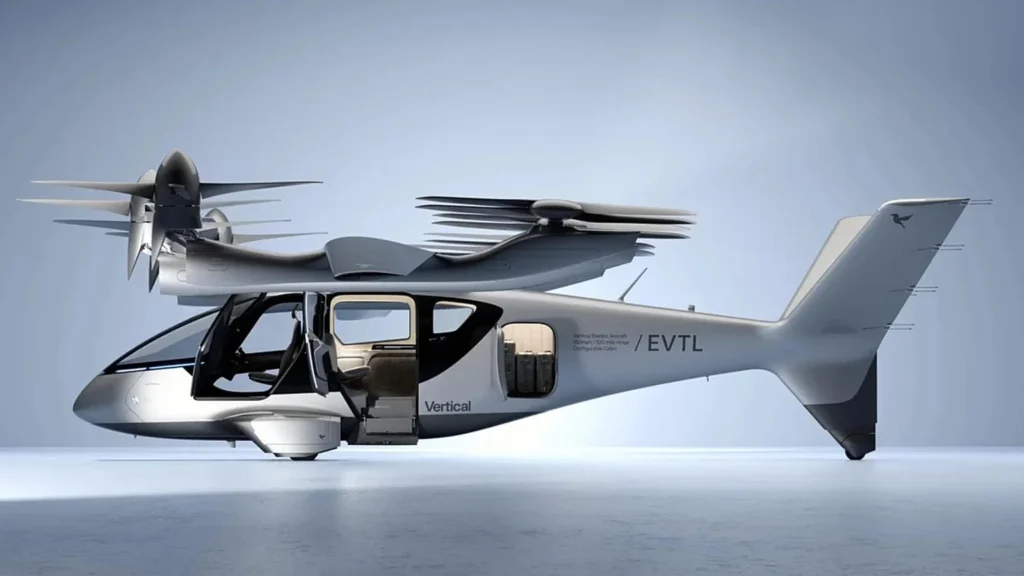
Vertical Aerospace is developing the VX4, while proposed applications include Heathrow transfers and other selected journeys. Its stated type certification target is 2029, rather than an immediate passenger launch.
Bristol features in demonstration planning examining integration with existing aviation infrastructure.
Coventry’s Air-One prototype explored another essential component: the ground facilities supporting future electric flights. Its demonstrations covered charging, passenger facilities and drone operations.
Together, these initiatives highlight the infrastructure required alongside aircraft development. Convenient passenger access and reliable electricity supplies will influence whether proposed services work commercially.
Germany and Spain Examine Different Opportunities
Germany remains important through aircraft development programmes associated with Volocopter and Lilium.
Volocopter has identified 2027 as a VoloCity certification target. That remains a development objective until regulators formally grant approval.
Lilium’s financial difficulties also underline why historical route announcements require reassessment before appearing in travel plans.
Spain, meanwhile, is examining regional applications through airport operator Aena and aviation research partners.
Proposed demonstration corridors include Palma de Mallorca–Menorca and Málaga–Granada. These could help evaluate island connections and journeys between established tourism destinations.
Their immediate purpose involves testing procedures and operational integration. They do not establish bookable passenger services or guaranteed commercial routes.
Premium Tourism Offers an Early Market
Electric aircraft could appeal to travellers seeking convenient transfers between airports, resorts and business districts.
However, actual time savings will depend on the complete journey. Passengers must reach a vertiport, complete boarding procedures and travel onward after landing.
Small passenger capacities also limit the technology’s ability to serve mass airport demand.
Early applications may therefore focus on premium journeys where convenience supports higher fares. Hotels and destination management companies could eventually incorporate suitable services into selected travel packages.
Pricing remains uncertain because aircraft costs, staffing, insurance, charging and landing fees will shape operating economics.
Certification Will Determine Commercial Progress
Safety approval remains central to every proposed launch.
Manufacturers must demonstrate compliance across batteries, propulsion, flight controls and emergency procedures. Operators separately need permission to carry passengers.
Local authorities must also consider landing locations, community concerns, accessibility and airspace integration.
Environmental performance requires careful assessment, including electricity supply, aircraft use and battery requirements. Electric propulsion alone does not establish the complete environmental impact of a journey.
For travellers, meaningful milestones will include formal certification, approved operators, published schedules and genuine ticket availability.
Europe’s tourism industry has several promising applications to examine. Their value will become clearer when electric aircraft deliver dependable passenger journeys on commercially viable routes.