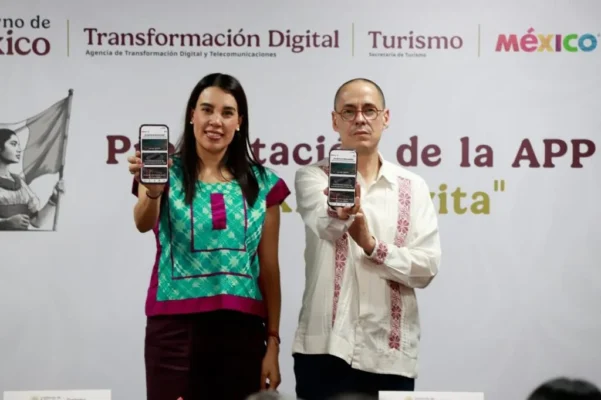
Mexico has launched México Invita, a free bilingual app with more than 290 tourism routes covering all 32 federal entities. The Ministry of Tourism and the Digital Transformation and Telecommunications Agency announced its availability on 1 November 2026.
The app combines itinerary ideas with practical information on transport, roadside assistance and consumer protection. It is available in Spanish and English on iOS, Android and Huawei devices.
The nationwide catalogue gives international and domestic visitors a way to explore smaller towns and regional attractions alongside familiar resort and city destinations. It also gives travellers a single place to look up practical services during a trip.
Routes Link Heritage, Nature and Regional Food
The app groups museums, archaeological zones, historic sites and natural attractions into suggested routes. Visitors can also find information on regional cuisine, festivals, fairs, sporting events and ecotourism activities.
The routes include Pueblos Mágicos, towns recognised for their cultural, historical or tourism significance. Including them alongside better-known destinations gives travellers more places to consider when building a trip around a particular region.
A visitor interested in archaeology, for example, could use a route to identify nearby museums and food experiences. Someone travelling for a festival could look for other attractions in the area when deciding how long to stay. That regional focus gives guides, restaurants and cultural venues a chance to reach visitors while they are still choosing their stops.
Bilingual Navigation Supports Independent Travel
The Digital Transformation and Telecommunications Agency developed the app through its Software Factory. It organises content into four sections: Home, Explore, Services and Menu.
The structure brings destination discovery and practical guidance into the same interface. Travellers can use the app to browse routes before departure and look up visitor services as their journey progresses.
English and Spanish access serves international visitors as well as people travelling within Mexico. For an independent traveller building a multi-stop itinerary, the app can help identify places to visit and transport information to check before arranging accommodation. The launch announcement left offline access unconfirmed, a detail that matters when planning to use the app in areas with limited connectivity.
Visitor Services Cover Transport and Assistance
México Invita includes information on mobility, connectivity, roadside assistance and immigration procedures. It also directs travellers to consumer protection assistance through Mexico’s Federal Consumer Protection Agency, known as PROFECO.
The app provides direct access to Mexico’s 911 emergency number and lists contacts for civil protection and other public assistance. Those services remain the responsibility of the relevant authorities. The app’s role is to help travellers find the appropriate contact or guidance from the same place they use to browse destinations.
For visitors moving between regions, the service directory could be particularly useful when a transport problem or consumer complaint interrupts an itinerary. It brings practical information into a tool travellers may already have downloaded for sightseeing.
World Cup Planning Becomes a Nationwide Service
Mexico initially presented México Invita on 21 May 2026 as part of its tourism preparations for the FIFA World Cup. The presentation highlighted Mexico City, Jalisco and Nuevo León, reflecting their roles in the tournament.
The original idea was to give people travelling for football reasons to explore cultural attractions, regional food and destinations beyond the host locations. Officials also discussed sustainable mobility and transport information, including the Tren Maya railway.
The November launch takes that approach nationwide. Travellers can now use the catalogue to plan around interests such as food, heritage or outdoor activities, regardless of whether their itinerary includes a former host destination.
Smaller Destinations Gain Space in Travel Planning
For local businesses, inclusion in a national catalogue could help them reach people who begin with a broad search for a region or activity. A restaurant, museum or excursion may become part of an itinerary because travellers discover it alongside a stop they already planned to visit.
Tour operators can also use the suggested routes as a starting point for organising transfers and regional stays. For accommodation providers, the opportunity is strongest where nearby experiences give visitors a reason to spend an extra night.
The government has yet to publish download totals, booking figures or changes in visitor spending attributable to the app. Those measures would help show whether wider visibility translates into more visits. For now, the clearest change is that travellers can browse routes across the country in one bilingual catalogue and see how lesser-known stops might fit into an existing trip.
For more travel news like this, keep reading Global Travel Wire