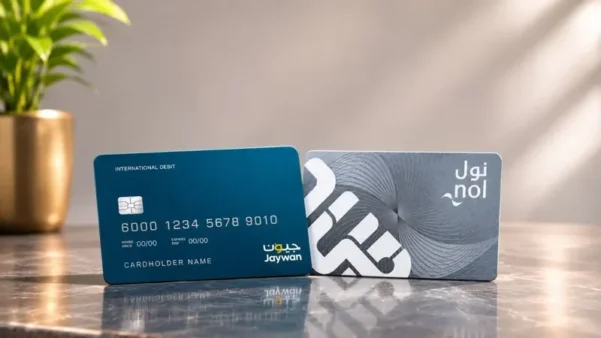
Dubai’s Roads and Transport Authority plans to pilot its new nol–Jaywan card in November 2026, linking the city’s transport fare system with the United Arab Emirates’ national card payment scheme. The phased rollout will cover public transport, taxis and parking, with support for everyday purchases to follow as services become available.
RTA announced the partnership with Al Etihad Payments on 4 November. The authority has yet to specify the pilot’s start date, who can participate or which services will accept the card first.
For visitors, the change could eventually simplify a day that combines a Metro ride, a taxi and other purchases. How much the card can do during the pilot will depend on which operators and payment systems are ready.
One Card Will Combine Fares and Retail Payments
The planned card brings two payment functions together. The nol function handles eligible transport fares. Jaywan, operated by Al Etihad Payments, supports purchases through the UAE’s national payment network. Al Etihad Payments is a subsidiary of the UAE Central Bank.
The rollout also envisages use across public and private transport, public parking and online booking platforms for public transport services. Participating merchants and operators will determine where customers can use the combined card as each phase begins.
RTA’s refreshed nol campaign directs customers to ticket vending machines and ticket office machines for new cards. It also identifies nol Pay and S’hail as top-up channels. The November announcement outlines digital activation and use on Android and iOS, with details on specific wallet integrations still to come.
Account-Based Ticketing Will Change How Families Manage Cards
The pilot forms part of a wider shift from card-based ticketing to a system that links fare activity to customer accounts. In July 2026, RTA reported that the project was 72% complete and targeted the end of March 2027 for all phases.
The programme starts with QR tickets through digital channels, followed by new nol cards linked to customer accounts. A later phase will upgrade fare systems to accept additional payment methods, including bank cards and digital wallets.
Planned account tools would let customers link family members’ cards and choose how much to add to each one. RTA also envisages automatic top-ups, daily transaction statements and options to block a card or recover its balance. For a family using several cards, managing them through one account could make it easier to keep each traveller’s balance topped up.
QR Tickets Already Give Visitors a Digital Option
Passengers can buy digital nol QR tickets through nol Pay and S’hail and scan their phones at supported Metro, Tram and bus readers. This gives visitors a digital fare option while the wider card upgrade progresses.
A QR one-day pass must first be scanned within 90 days of purchase. Once activated, it remains valid until midnight that day. A visitor starting late in the afternoon therefore has fewer hours to use the pass than someone who activates it in the morning.
That timing matters for holidaymakers planning several stops across Dubai. A pass can be convenient for a full sightseeing day, while its midnight expiry may affect plans that continue into the early hours.
Taxis, Parking and Offers Extend the Rollout’s Reach
RTA says the card programme will include access to more than 120 promotional offers and discounts. The authority has yet to publish the full list, redemption terms or dates for individual offers.
The transport network gives the changes a large potential audience. RTA recorded approximately 348.1 million rides across public transport, taxis and shared mobility during the first half of 2026, with a daily average approaching 1.9 million.
For tourists, the most useful updates will identify the exact places and services where the card works. A family might use the Metro for sightseeing, then take a taxi back to its hotel. Knowing which payments the card covers would make that journey easier to plan.
The November pilot will provide the first indication of how the combined card works across those services. The wider March 2027 target covers the fare system upgrade. Acceptance at individual transport operators, parking locations and shops will determine how useful the card becomes across a visitor’s stay.
For more travel news like this, keep reading Global Travel Wire