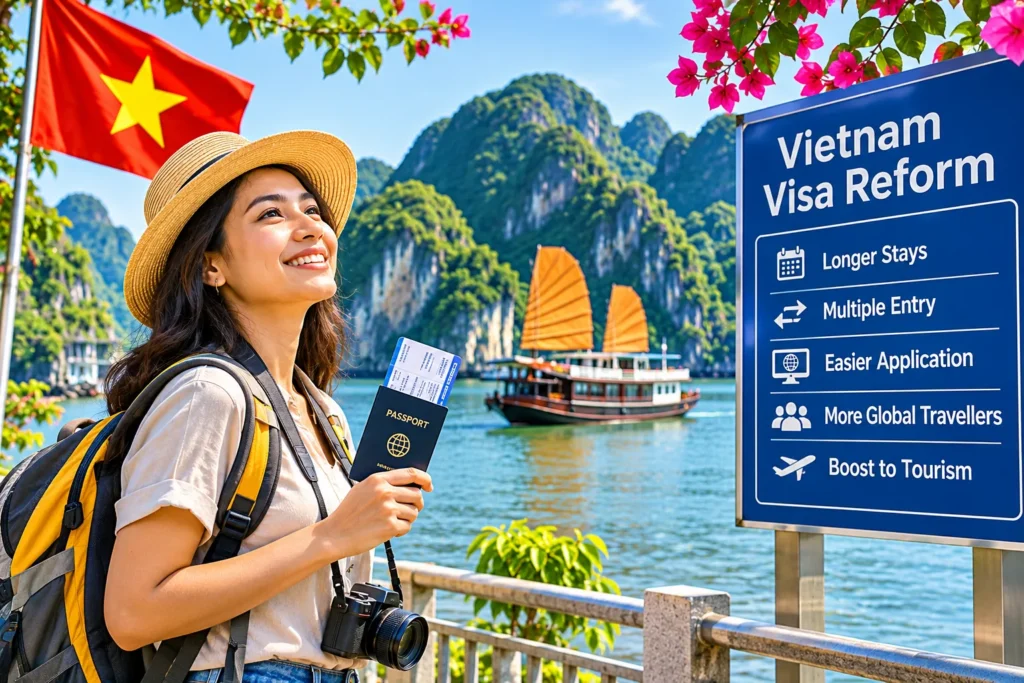
Vietnam is preparing a transformative legislative overhaul of its immigration and entry frameworks to position itself as a premier destination for global holidaymakers and extended-stay visitors. Under a comprehensive draft resolution submitted directly to the National Assembly by the Ministry of Culture, Sports and Tourism, the Southeast Asian nation is advancing special border and residency policies. These measures aim to streamline entry, transit, and temporary stay protocols for international tourists, with targeted incentives specifically designed for high-yield travelers, digital professionals, medical recuperation guests, and cultural practitioners.
Government officials highlight that global travel competition across the Asia-Pacific region has intensified significantly. To strengthen the country’s competitive edge against neighbouring destinations, the state administration is moving to dismantle procedural barriers and modernize visa durations, processing expenses, and administrative requirements across key outbound origin markets.
Expanding Bilateral Exemptions and Tailored Market Incentives
A cornerstone of the proposed resolution is the strategic broadening of bilateral visa exemption agreements for ordinary passport holders arriving from key visitor markets. Government planners are prioritizing nations that demonstrate strong economic growth potential, elevated average daily tourist spending, and direct commercial aviation links with major Vietnamese air hubs.
In addition to traditional unilateral waivers, the submission outlines flexible mechanisms tailored to specific source regions. State ministries are prioritizing demographic categories that drive sustained local economic impact, including long-duration visitors, multi-trip leisure travelers, and delegates traveling for meetings, incentives, conferences, and exhibitions.
By offering simplified digital documentation, multi-entry provisions, and extended permitted stays, the government aims to encourage repeat visits. Under this structured approach, immigration facilities will balance economic openness with public order and national security interests, ensuring smooth transit while maintaining rigorous border integrity.
Pioneering Pilot Frameworks for Remote Workers and Digital Professionals
Recognizing profound shifts in international working patterns, the draft resolution outlines a controlled pilot program for foreign remote workers and digital professionals. This framework aims to establish specialized temporary residency pathways for individuals capable of living in Vietnam for extended periods while contributing directly to local hospitality, service, and retail ecosystems.
Rather than remaining on standard short-term tourist permits that necessitate frequent exits, qualifying remote professionals would gain access to legal, stable residence permissions. This approach reflects modern travel trends where business flexibility and leisure exploration merge into extended stays. Coastal centres such as Da Nang and Nha Trang, alongside cultural hubs like Hanoi and Ho Chi Minh City, stand to benefit substantially from international professionals renting long-term accommodation, patronizing culinary venues, and exploring regional heritage reserves during off-peak travel periods.
Specialized Entry Corridors for Medical, Wellness, and Rehabilitation Tourism
The government’s comprehensive proposal also incorporates targeted provisions to establish Vietnam as an emerging destination for medical, therapeutic, and wellness travel. Recognizing the rising worldwide demand for quality healthcare combined with restorative holidays, the resolution introduces favourable entry and stay mechanisms for foreign individuals seeking medical treatments, specialized surgical care, wellness recuperation, and rehabilitation programs.
Under the planned framework, patients and their accompanying support persons can access extended visa validity and flexible stay extensions tailored precisely to treatment timelines. Eligibility will depend on official verification and sponsorship from licensed, qualified medical institutions and competent healthcare authorities. This initiative seeks to integrate the nation’s advanced medical infrastructure with tranquil eco-resorts, mineral springs, and coastal sanctuaries, providing comprehensive recuperation packages that generate substantial foreign revenue for the domestic health and hospitality sectors.
Attracting International Creative and Technical Expertise to Tourism Projects
To elevate the quality of domestic leisure infrastructure, the ministerial submission introduces streamlined visa, work permit, and temporary residency procedures for foreign experts, specialized technical personnel, and creative artists.
Under the proposed rules, internationally credentialed professionals and licensed performers who enter into verified employment arrangements with domestic enterprises to develop tourism offerings will benefit from expedited administrative clearance. By lowering operational hurdles for international talent, the state seeks to stimulate high-caliber performing arts, theme park entertainment, interactive cultural exhibitions, and advanced eco-tourism design across domestic resorts.
Strengthening Regional Competitiveness and Economic Growth
Official tourism metrics indicate that international visitor arrivals represent an indispensable catalyst for municipal economies, employment generation, and cultural exchange throughout Vietnam. As surrounding regional markets adopt aggressive visa liberalization policies to stimulate their tourism sectors, modernizing administrative processes has become a strategic national priority.
The draft resolution addresses entry frequency, administrative fees, procedural convenience, and operational transparency in a unified legislative effort. By combining open border policies for leisure travelers with dedicated frameworks for remote professionals, healthcare tourists, and creative specialists, the government is building an adaptable, forward-looking tourism economy.
As the National Assembly reviews the proposed measures, tourism authorities and commercial hospitality operators project that these flexible policies will stimulate sustained visitor arrivals, drive longer hotel stays, and firmly establish the country among the most accessible and appealing destinations in global travel.
For more travel news like this, keep reading Global Travel Wire