More than two hundred years after steam locomotives first transformed overland mobility, railway networks continue to serve as an indispensable backbone for international travel, domestic connectivity, and regional economic growth. While modern economic discussions frequently compare contemporary artificial intelligence infrastructure spending with the nineteenth-century railway expansion, the enduring legacy of rail lies in its multi-generational durability and unmatched capacity to connect travellers with cities, heritage landmarks, and remote landscapes across continents.
During the height of nineteenth-century railway construction, national infrastructure investments routinely absorbed between 2.2 percent and 2.3 percent of gross domestic product across industrializing economies, reaching as high as 5.4 percent in rapidly expanding regions. That historic wave of civil engineering fundamentally reshaped human mobility. Before the completion of transcontinental rail corridors in North America, crossing from the Atlantic coast to the Pacific required months of arduous overland or maritime travel. Once steel tracks linked the continent, that journey dropped to a single week, laying the foundation for modern leisure travel, national park tourism, and interstate hospitality.
Enduring Civil Engineering Versus Rapidly Depreciating Digital Infrastructure
A defining distinction between modern digital infrastructure and historic railway corridors is asset longevity. High-performance computing hardware, data centres, and specialized processors operate on rapid replacement cycles, often requiring major upgrades within five to ten years—and in cutting-edge computing tiers, within one to two years—to remain technically competitive.
By contrast, railway civil engineering delivers value across centuries. While steel rails, signalling systems, and rolling stock undergo scheduled modernization every decade or two to maintain high safety and speed standards, the underlying embankments, viaducts, tunnels, and stone bridges built during the 1830s and 1840s remain in active daily service across Europe, North America, and Asia. In countries such as the United Kingdom, flagship intercity and scenic regional routes still rely directly on foundational civil works engineered nearly two centuries ago, demonstrating how well-planned transport corridors compound their economic and cultural return over generations.
Accelerating High-Speed Rail and Cross-Border Tourism Corridors
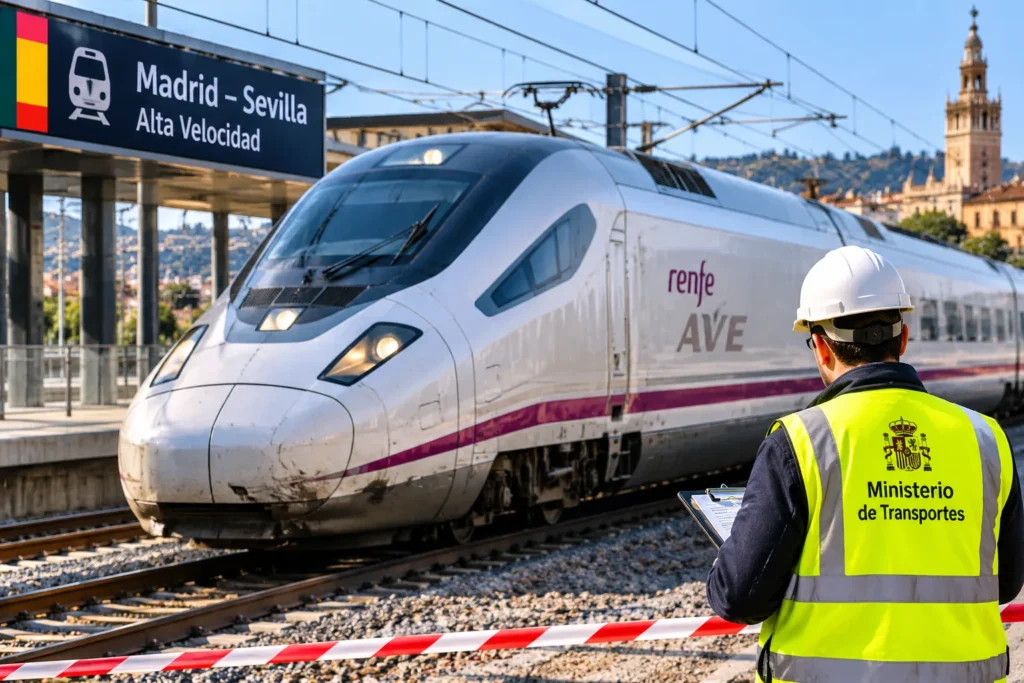
Building upon this historic foundation, governments and transport authorities worldwide are channelled substantial public capital into next-generation passenger rail to meet rising demand for low-emission, seamless travel. In the European Union, official transport policy prioritizes high-speed rail expansion and cross-border interoperability to position train travel as the most attractive and sustainable transport mode for journeys under 1,000 kilometres.
During 2026, the European Commission introduced legislative measures aimed at simplifying cross-border rail ticketing and improving passenger rights, alongside prioritizing high-speed rail funding under the Connecting Europe Facility. New international services—such as direct rail links connecting Prague, Berlin, and Copenhagen—illustrate how coordinated public infrastructure enables international visitors to explore multiple countries effortlessly without airport transit bottlenecks.
Across Asia, state-backed rail expansion continues to unlock domestic and inbound tourism at unprecedented scale. In India, government-supported tourist circuits and themed heritage services—including the Bharat Gaurav tourist trains—connect travellers with cultural, spiritual, and natural heritage sites nationwide, supported by ongoing electrification and station modernization programmes. Similarly, Japan’s extensive high-speed Shinkansen network and regional scenic excursion trains remain central pillars of national tourism strategy, dispersing international visitors from major metropolitan gateways into rural prefectures.
Why Rail Travel Anchors the Future of Sustainable Tourism
According to international transport and sustainability assessments, rail remains the least carbon-intensive motorized mode of passenger transport. Electric high-speed trains generate only a fraction of the carbon dioxide emissions produced by short-haul commercial flights or private motor vehicles, making railway infrastructure indispensable to national climate commitments and sustainable tourism frameworks.
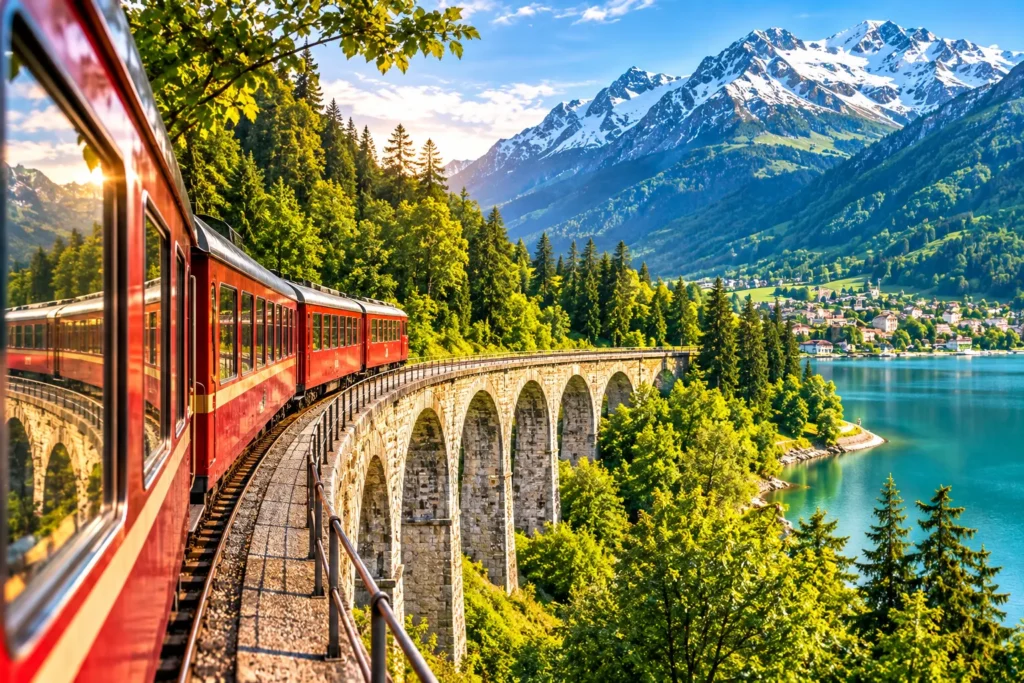
Beyond environmental efficiency, rail travel enriches the tourism experience itself. Panoramic mountain railways in Switzerland, heritage steam lines in the United Kingdom, transcontinental routes across Canada and the United States, and luxury sleeper trains in Southern Africa and Kyushu transform transit from a mere logistical necessity into a centerpiece of the holiday. By arriving directly in historic city centres and connecting seamlessly with regional buses, ferries, and cycling trails, rail networks help distribute visitor spending evenly across urban hubs and rural communities alike.
As public authorities balance modern digital innovation with physical infrastructure renewal, two centuries of railway development offer a clear lesson for the global travel sector: durable, well-connected transport corridors remain the most reliable catalyst for accessible, resilient, and sustainable tourism for generations to come.
For more travel news like this, keep reading Global Travel Wire