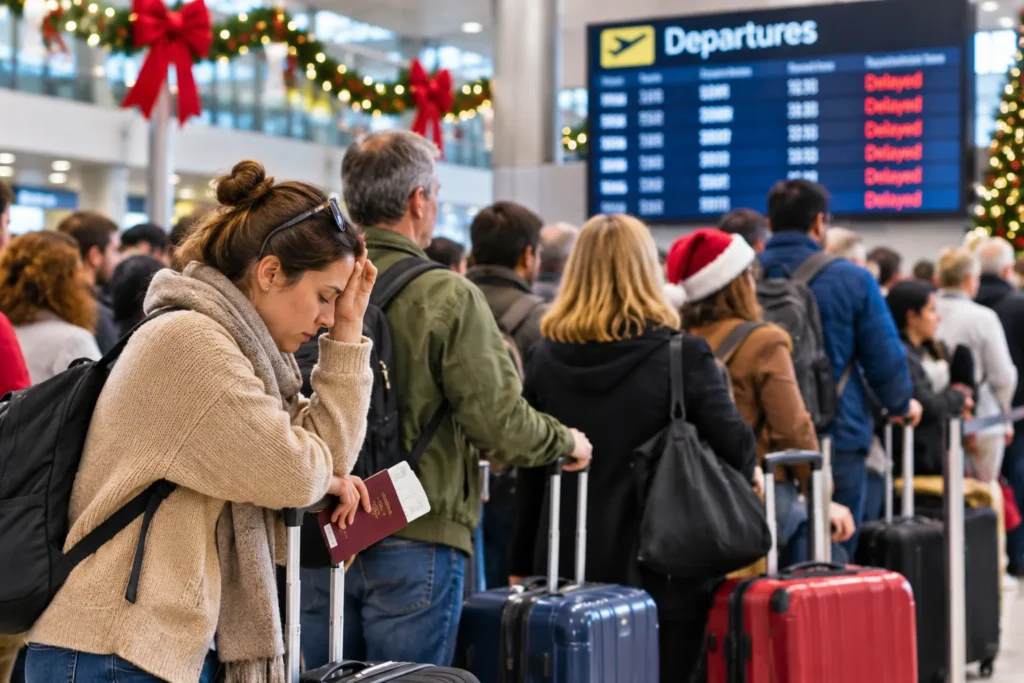
As the year-end holiday season approaches, millions of travelers across the globe are preparing to reunite with relatives, embark on festive vacations, and explore new destinations. Yet alongside the anticipation of seasonal getaways, a familiar challenge is resurfacing across major aviation hubs: holiday travel stress. From prolonged airport queues and unexpected flight delays to climbing ticket prices and baggage anxieties, the transit experience itself is increasingly shaping whether consumers choose to book a trip at all.
Recent aviation industry research underscores just how deeply transit friction affects traveler sentiment. According to the 2026 Passenger IT Insights survey released by air transport communications and technology organization SITA—which polled nearly 8,000 travelers across 24 countries—42 percent of respondents reported deciding against taking a trip because they anticipated the journey would be too stressful. Rather than representing a minor inconvenience at the departure gate, travel anxiety has emerged as a measurable factor influencing global tourism demand and booking behavior.
When Transit Friction Overshadows the Destination
During peak seasonal travel windows, airport terminals operate near maximum capacity as leisure tourists, families, and returning residents converge simultaneously at check-in counters, security checkpoints, boarding gates, and baggage carousels. Even travelers who finalize their itineraries months in advance frequently encounter schedule revisions or congestion bottlenecks.
Schedule disruptions remain among the most consequential pain points for holidaymakers. A single delayed departure can trigger a chain reaction across an entire trip, resulting in missed onward connections, forfeited hotel nights, and unplanned expenses for meals and ground transfers. Severe winter weather, air traffic control congestion, technical inspections, and peak-season staffing constraints all compound operational pressure. Because aircraft load factors run exceptionally high during the festive period, rebooking displaced passengers onto alternative flights often proves slow and complicated.
Airport Queues, Border Control, and Baggage Bottlenecks
Friction within the terminal spans multiple stages of the passenger journey, and dissatisfaction intensifies when delays occur back-to-back. Findings from the International Air Transport Association (IATA) 2025 Global Passenger Survey illustrate a sharp contrast between overall flight satisfaction and specific ground-handling pain points. While total passenger satisfaction reached 86 percent, post-flight and transit touchpoints lagged behind:
Baggage Collection: 16 percent of surveyed passengers expressed dissatisfaction with luggage retrieval wait times and handling.
Border Control and Immigration: 15 percent reported frustration with queues and processing delays at international entry checkpoints.
Flight Transfers: 9 percent cited difficulties navigating tight or complicated airport connections.
These figures demonstrate that travel stress extends well beyond aircraft boarding. Long immigration lines after landing, tight terminal transfers, and uncertainty over checked luggage create acute strain, particularly for families traveling with young children, elderly passengers, and flyers on multi-leg international itineraries.
Rising Costs Reshape Year-End Holiday Budgets
Alongside operational congestion, household budget pressures are prompting travelers to rethink their year-end plans. Seasonal demand surges routinely push airfares, hotel rates, and airport transfer fees higher, forcing many households to weigh the financial return of a holiday against rising expenses.
Publicly released findings from Deloitte’s 2026 Holiday Travel Survey show that 47 percent of surveyed American consumers planned to travel between late November and mid-January, marking a seven-percentage-point decline compared with the previous year. Among those proceeding with holiday trips, projected average spending for their longest getaway reached $2,792 across transportation and lodging—a 5 percent increase over 2025 levels. To keep budgets manageable, respondents increasingly favored shorter stays, lower-cost accommodations, and reduced discretionary spending at their destinations. For international visitors, currency exchange fluctuations, visa processing fees, airline baggage surcharges, and local transit costs add further financial considerations.
Digital Tools Ease Uncertainty, Yet Reliability Remains Key
To relieve terminal congestion and keep flyers informed, civil aviation authorities, airport operators, and airlines continue expanding digital passenger services. Mobile boarding passes, online check-in portals, automated bag-drop kiosks, biometric identity verification, and automated flight status alerts are increasingly standard across international gateways.
SITA’s 2026 survey data indicates strong passenger receptiveness to these upgrades, with eight in ten travelers stating that technology can help reduce air travel stress. Furthermore, four in ten respondents expressed willingness to receive real-time itinerary updates powered by artificial intelligence, including instant notifications regarding gate changes, boarding queues, and baggage tracking.
Still, digital tools cannot prevent severe weather events or mechanical delays. Passenger confidence relies on airlines and airport authorities delivering accurate, synchronized, and timely updates across every channel when disruptions occur.
Practical Ways Travelers Can Reduce Holiday Journey Stress
While passengers cannot control weather patterns or air traffic volume, targeted preparation helps minimize disruption during peak travel weeks:
Select Flexible Fares: Prioritize ticket classes that permit date changes or cancellations without prohibitive penalties.
Monitor Real-Time Alerts: Enable official airline mobile notifications to track gate adjustments and departure updates before heading to the terminal.
Build Extra Airport Buffer Time: Follow official airport arrival guidance and allow additional margin for security screening and bag drop during peak hours.
Pack Essentials in Cabin Baggage: Carry prescription medications, travel documents, chargers, and an extra set of clothes onboard in case checked bags are delayed.
Avoid Tight Layovers: Leave generous transfer windows at major international hubs to absorb minor departure delays and border formalities.
Review Passenger Rights: Familiarize yourself with official aviation consumer protection rules governing refunds, meal vouchers, and rebooking assistance on your route.
Ultimately, elevating the holiday travel experience requires more than faster aircraft. By pairing smart terminal technology with transparent communication, dependable baggage handling, and proactive traveler preparation, the aviation and tourism sectors can ensure the journey remains a welcoming gateway to the destination itself.
For more travel news like this, keep reading Global Travel Wire